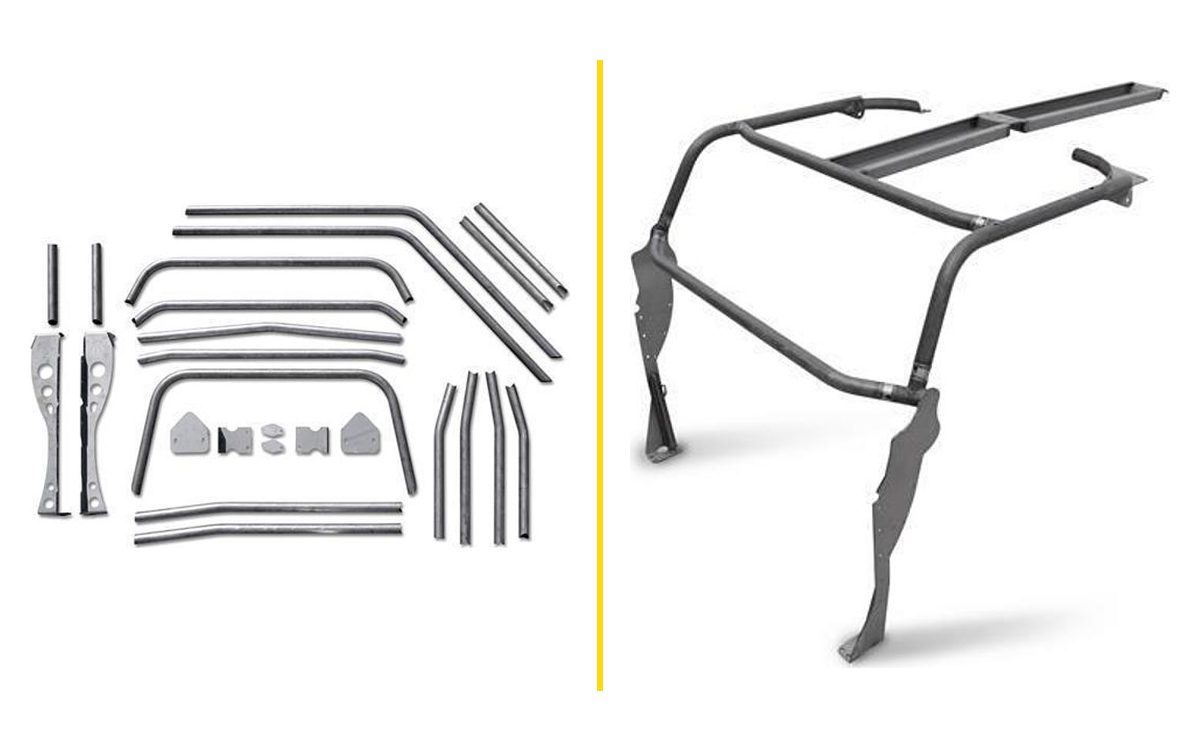
A bolt-in roll cage for a Jeep TJ or JK goes in without welding and usually builds on the factory sport bar, while a welded roll cage joins its tubes with full welds and can replace that bar outright. The better choice depends on how you use the Jeep, the tube and where the cage mounts.
The bolt-in vs welded roll cage question is really three questions: how the tubes join, what happens to the factory bar, and what the feet attach to.
Key takeaways
- Weld-in and bolt-in describe different things: one tells you how the tubes join, the other how the cage attaches. The Poison Spyder 14-19-010-W is factory welded, then bolted into the Jeep.
- Add-on cages depend on the factory bar: a Trail Cage or Smittybilt SRC kit extends the sport bar, so cracks or rust in that bar and its mounts carry over. A full cage replaces it.
- Tube size is close across brands: most kits here use 1.75 x .120 inch tube. At Ultra4, that size covers vehicles up to 4,400 lb dry, and 2 inch tube is required above that.
- Mounts matter as much as tube: body-mounted race cages must sandwich the body between 3/16 inch doubler plates, with 3/8 inch Grade 8 bolts as the minimum.
- Padding is not automatically a safety rating: many zip-on covers are 1/2 inch foam for comfort. Race rules can call for padding certified to SFI 45.1 where a helmet can reach the bar.
What does the factory sport bar do, and how is a roll cage different?
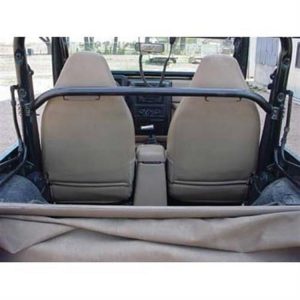
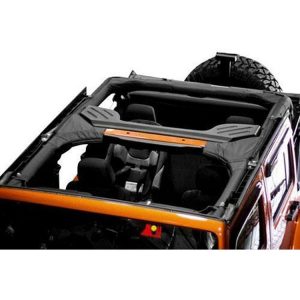
A factory sport bar is the tube structure Jeep bolts into the Wrangler tub, and a roll cage is a fuller structure that adds tube over and around the front occupants. Jeep is plain about the factory part: its 2005 Wrangler owner’s manual says the sport bar and side bars add “some extra protection,” that the vehicle has no structural integrated top, and that it remains “a truly open vehicle.”
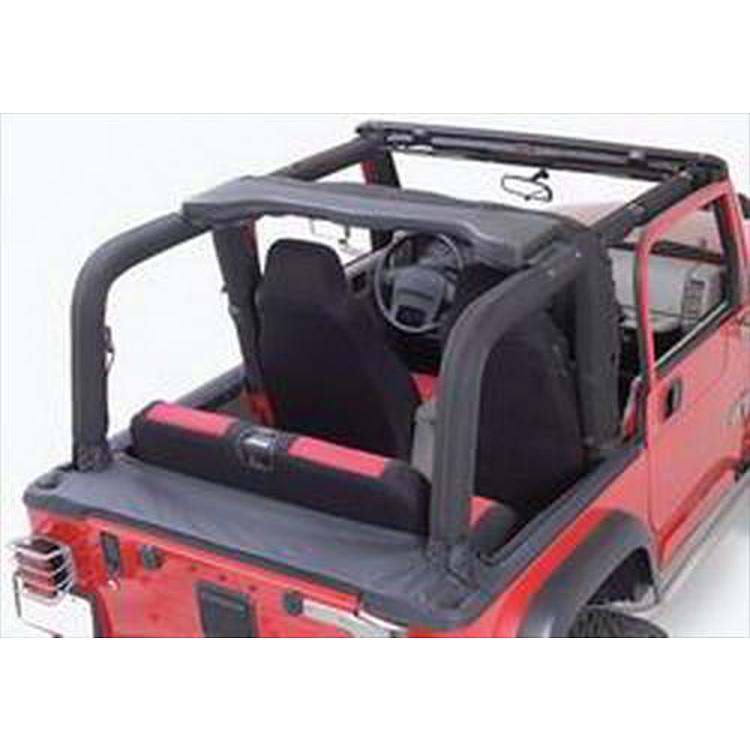
Three levels of structure get lumped together under the word cage. The roll cage and roll bar category holds all of them:
- Factory sport bar: the main hoop, the rear braces and the header bars that run forward to the windshield frame. On the Jeep Wrangler TJ (1997–2006), the factory header bars are .095 inch wall welded seam tube with thin stamped mounting flanges.
- Add-on cage: new tube added to the factory bar, usually new A-pillars, a dash bar, a windshield bar and center spreaders. The factory bar stays in the structure.
- Full cage: a complete replacement for the factory bar. It needs its own feet, its own gussets and a new plan for the seat belt mounts.
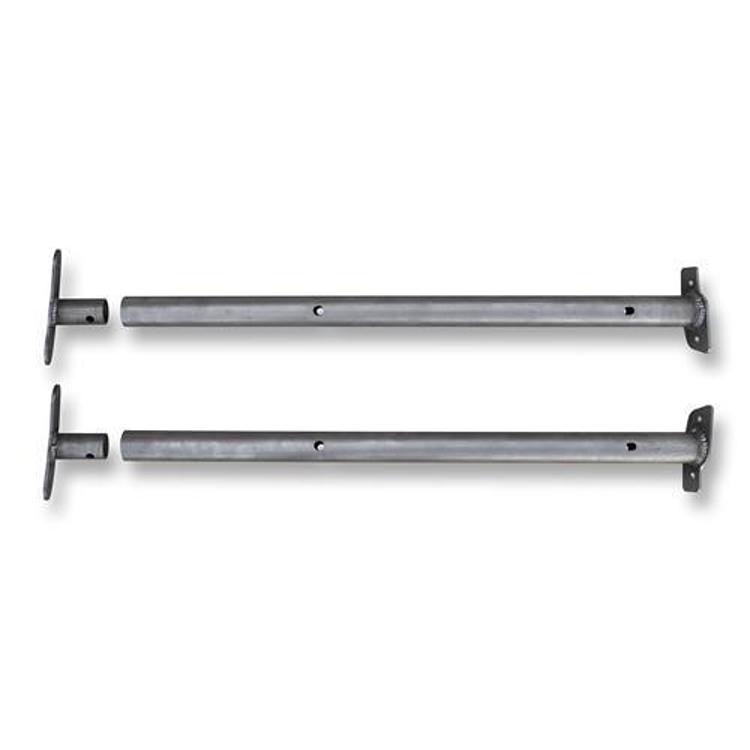
There is also a smaller step for the TJ and the Wrangler LJ. The Poison Spyder Heavy Duty Header Bar Kit 14-18-030 swaps the thin factory header bars on 2002–2006 TJ and 2004–2006 LJ models for 1-3/4 x .120 inch DOM tube welded to 3/16 inch mount plates. Installing it takes welding, and it works with the factory bar, alone or as part of a Trail Cage build.
Bolt-in vs welded roll cage: what is the real difference?
The real difference is the joint. A welded cage fuses each tube junction, either in your garage or in the maker’s fixture, while a bolt-in cage relies on clamps, couplers or knuckles and on fasteners that stay tight. The table sorts the common kits by how they go together and what they do to the factory bar.
| Cage | Jeep | How the tubes join | Factory bar | Tube |
|---|---|---|---|---|
| Poison Spyder Full Cage Kit 14-19-010 | TJ | You weld it, kit comes unassembled | Replaced | 1.75 x .120 in DOM |
| Poison Spyder Fully Welded Cage 14-19-010-W | TJ, LJ | Welded in the maker’s fixtures, bolts in | Replaced | 100% DOM |
| Poison Spyder Trail Cage 14-18-010 | TJ, LJ | You weld it, 8 pieces | Stays, new tube welds to it | 1.75 x .120 in DOM |
| Poison Spyder Trail Cage 18-18-010 | JK 4-door | Bolt-together | Stays | 1.75 x .120 in DOM |
| Smittybilt SRC 76900 | TJ | Bolt-in, Knuckle System | Stays | 1020 DOM, .120 in wall |
| Smittybilt SRC 76903 | JK 2-door, 2011–2018 | Bolt-in, Knuckle System | Stays | 1020 DOM, .120 in wall |
| Smittybilt SRC 76904 | JK 4-door, 2011–2018 | Bolt-in, Knuckle System | Stays | 1020 DOM, .120 in wall |
| Rock Hard Ultimate Sports Cage RH-1001 | Confirm with Rock Hard | Bolt-in, clamping collars | Stays | 1-3/4 x .120 in |
Weld-in kits: you do the welding
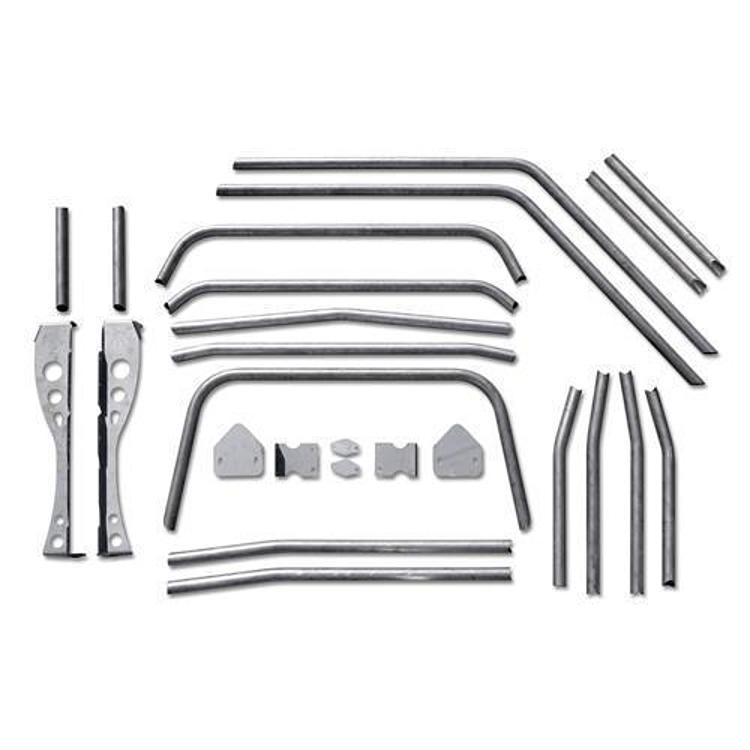
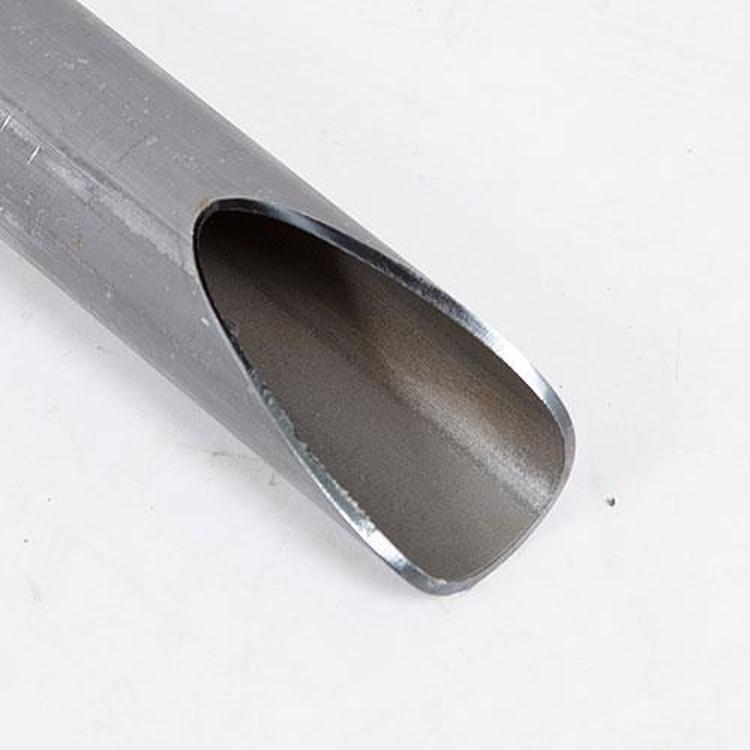
A weld-in kit arrives as notched, bent tube and laser-cut plate, and the final strength of each joint depends on the person holding the torch. The Poison Spyder TJ Full Cage Kit and the LJ Full Cage Kit 15-19-010 use the maker’s Lazer-Fit system: CNC laser-notched tube, CNC bends, and assembly guides and part marks etched onto each piece. Race rules give a good yardstick for that work. The American Off-Road Racing Championship rulebook calls for full penetration with no undercut, welds 360 degrees around each tube, welding to AWS D1.1, no oxy-acetylene brazing, and mandrel bends with a center radius of at least three times the tube diameter.
Fully welded cages: welded joints, bolted install
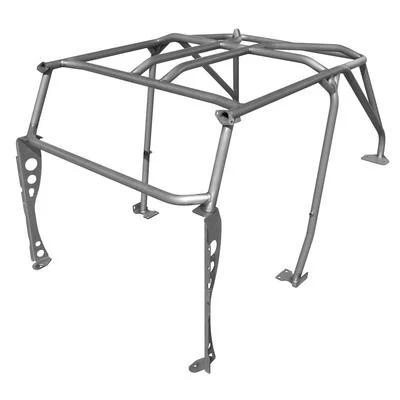
A fully welded cage suits an owner who wants factory-welded joints and has no welder. The 14-19-010-W for the TJ and LJ starts as the Lazer-Fit kit, then gets welded in assembly fixtures and bolts into the Jeep. The 14-19-010-WG and the LJ’s 15-19-010-W and 15-19-010-WG follow the same recipe. The 14-19-010-WG, 15-19-010-W and 15-19-010-WG need a soft top with a bow assembly and do not work with bowless tops, so check the soft top you plan to run first.
Trail Cages: new tube on the factory bar
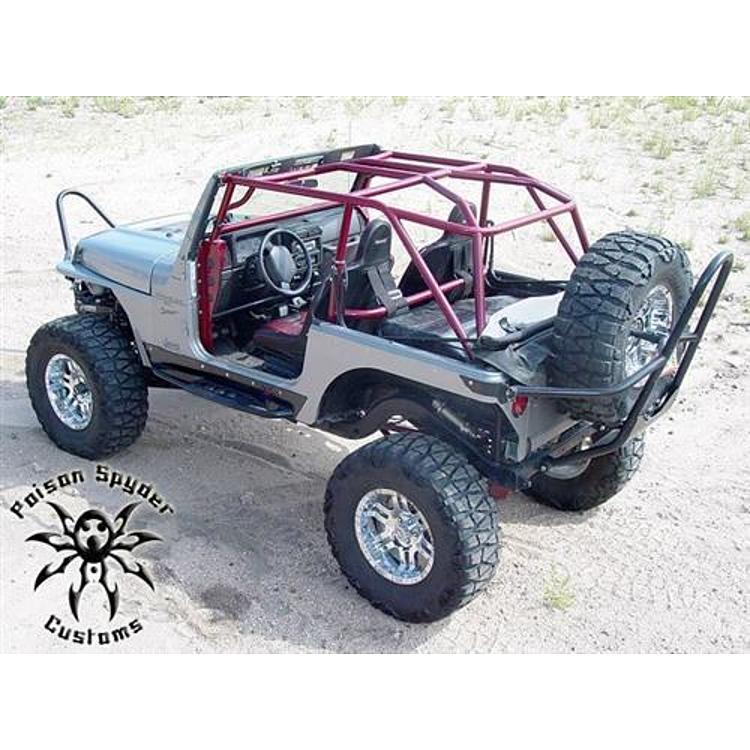
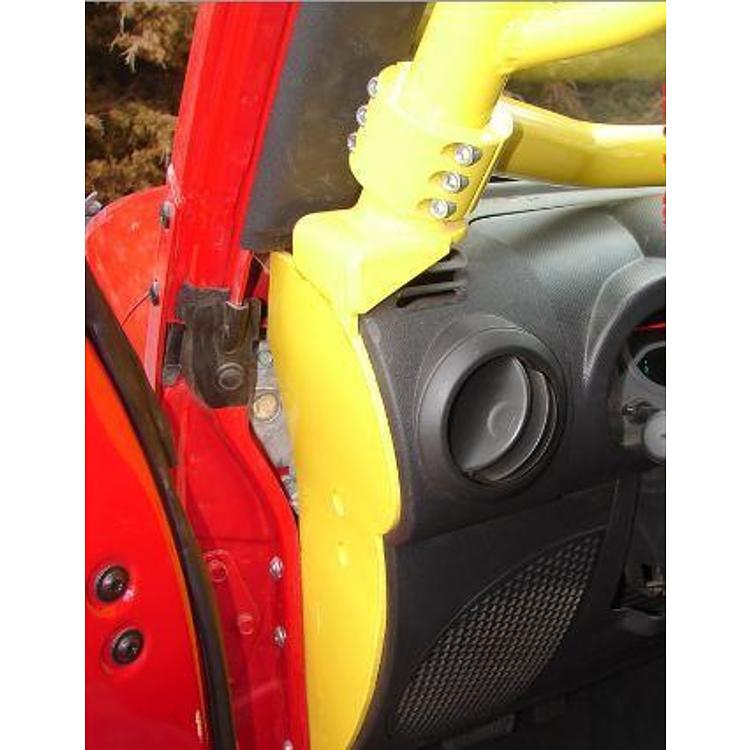
A Trail Cage keeps the factory bar and adds what it lacks up front. The 14-18-010 for the TJ and LJ has two lower A-pillars from dash to floor, two tubular upper A-pillars that weld to the factory windshield bars, a dash bar, an upper windshield bar and two center spreaders. It is secured at the windshield, at the gusseted front A-pillar, at the factory mounts on the door jamb and at the floor through the forward drain hole. The rear of the Jeep can get a 14-18-020 rear spreader bar kit on the TJ or the 15-18-020 kit on the LJ, each with a spreader bar and two center stringers.
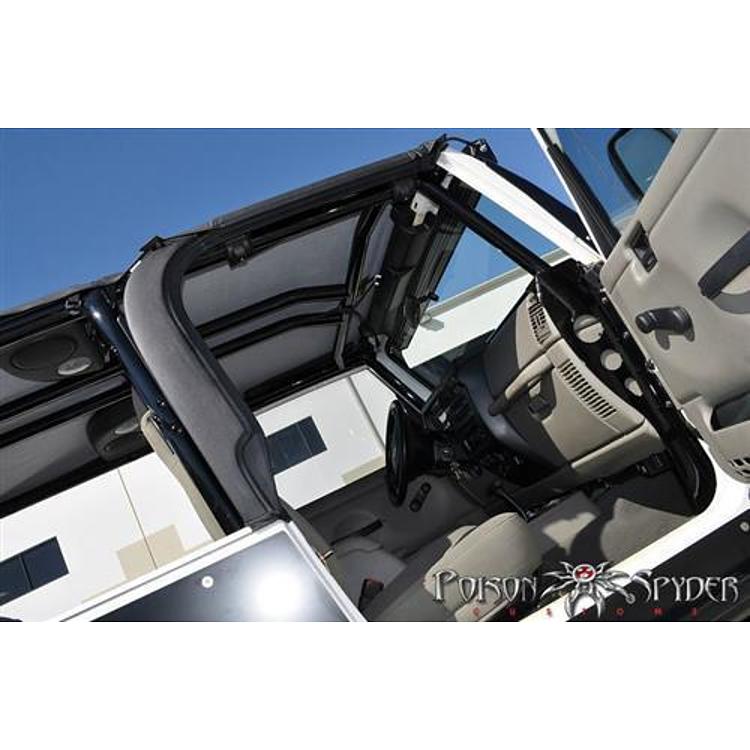
On the 4-door JK, Poison Spyder takes a different route: the 18-18-010, the 18-18-015 and the 18-18-015-G with grab handles are bolt-together kits. The tube is the same 1.75 x .120 inch DOM, and the A-pillar is one piece of 3/16 inch plate that runs to the floor. It bolts to the floor, the forward door post and the dash structure, with a 1/2 inch thick rib at the door post. The tube junctions are notched and welded before the kit ships, and bolted interlocking couplers join the sections along the tube, away from those corners. Check your model year with Poison Spyder, since the two JK part numbers cover different years.
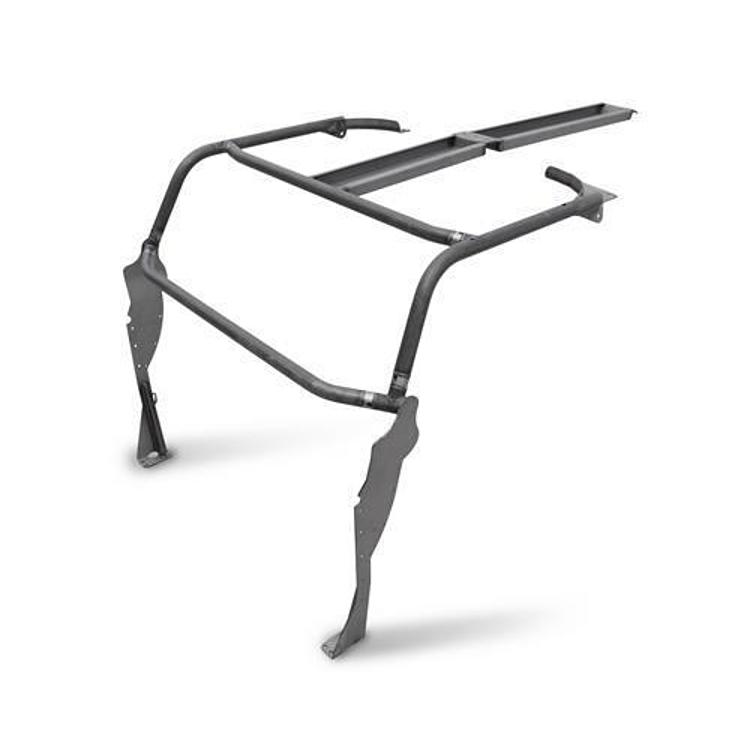
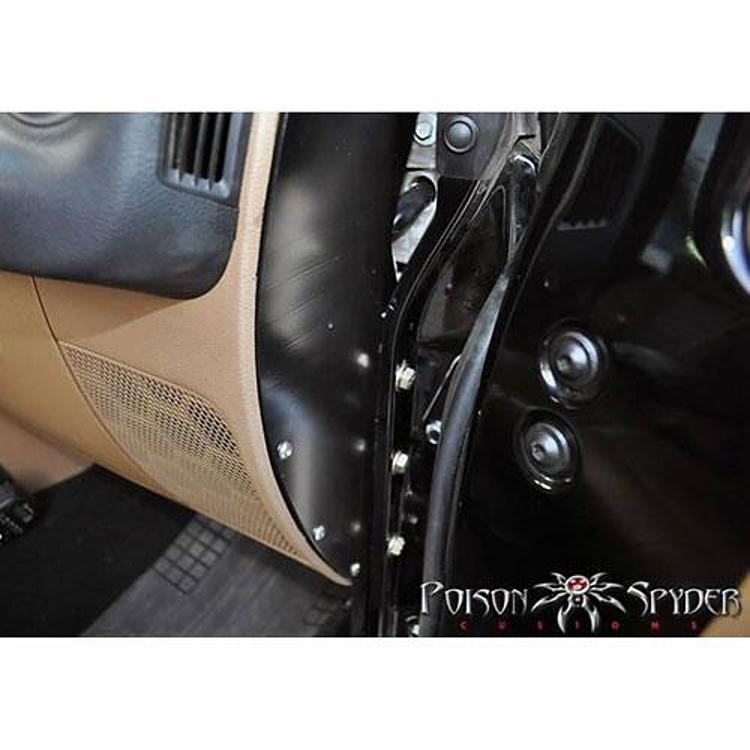
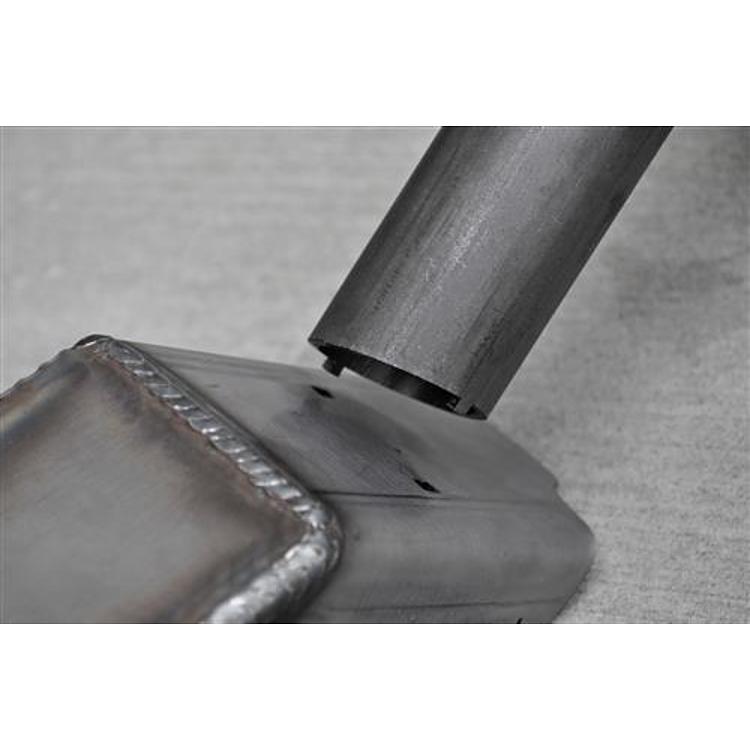
A JK 4-door owner can add the Poison Spyder C-Pillar Kit 18-18-030 for the rear passenger area, on 2007–2016 Unlimited models. It is a hybrid: the tube welds to the factory cage at the top and the foot plate bolts down at the bottom, so even a bolt-together build can need a welder if you add it.
Clamps and knuckles: no welder, no drilling on some kits
Clamp-on kits suit owners who want added tube and no welding, and their joints need regular checks. The Smittybilt SRC kit 76900 for the TJ uses 1020 DOM with a .120 inch wall and a Knuckle System that pivots and fastens to the factory bar at one end, with Grade 10 fasteners at the other. The JK versions split by year and door count: the 76903 7-piece for 2011–2018 2-door models, the 76904 6-piece for 2011–2018 4-door models, the 76901 7-piece for 2007–2010 2-door models and the 76902 6-piece for 2007–2010 4-door models. On the 76900 and 76903, the factory bar covers need modifying to fit around the new tube, and the 76903’s rear cross bar does not work with bowless tops.
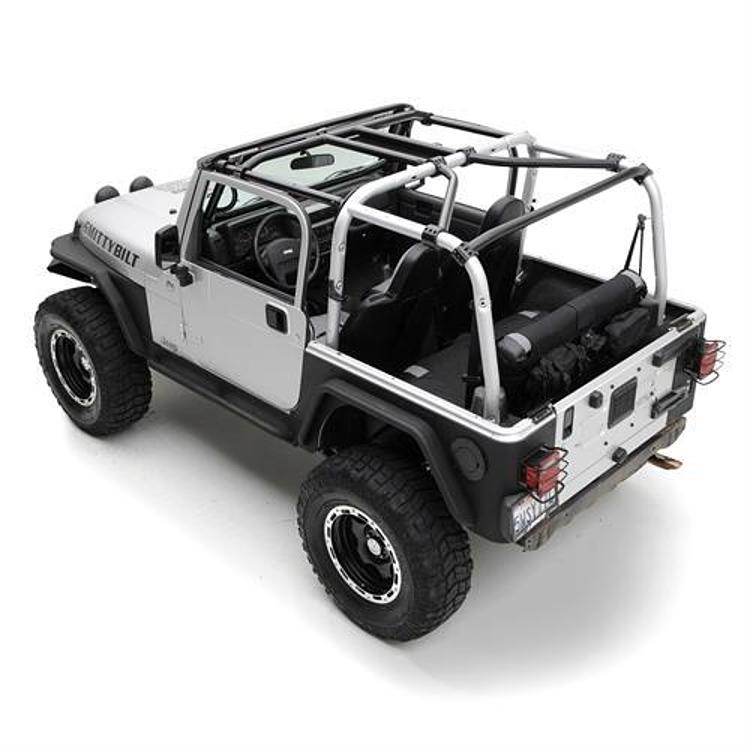
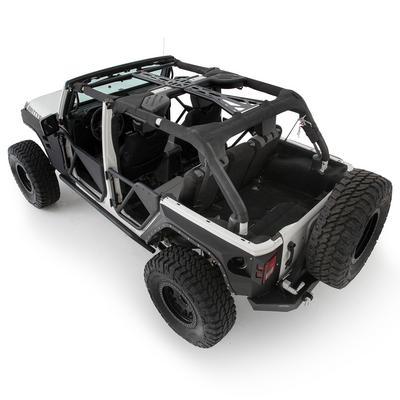
Rock Hard joins tube with clamping collars. The Ultimate Sports Cage RH-1001 runs from the factory bar forward to the dash on 1-3/4 x .120 inch tube, with 1/2 inch CNC-machined collars and six 5/16 x 1 inch Grade 8 socket head screws. It needs no drilling or welding, leaves the windshield able to fold, and fits hard or soft tops. The Main Sport Cage RH-1030-1L for 2011–2014 Wrangler JK models is also bolt-in, but it requires drilling.
What tube diameter and wall thickness should a Jeep cage use?
Most Jeep TJ and JK kits use 1.75 inch tube with a .120 inch wall, and that size meets the published minimum at Ultra4 for vehicles from 3,201 to 4,400 lb dry. Heavier builds move to 2 inch tube. Diameter has more effect on bending stiffness than wall thickness does, as the numbers below show.
| Tube (OD x wall) | Steel weight per foot | Area moment | Stiffness vs 1.75 x .120 | Where it appears |
|---|---|---|---|---|
| 1.25 x .120 in | 1.45 lb | 0.069 in4 | 34% | Poison Spyder grab handles |
| 1.5 x .120 in | 1.77 lb | 0.125 in4 | 61% | Ultra4 minimum under 3,200 lb |
| 1.75 x .095 in | 1.68 lb | 0.170 in4 | 83% | Ultra4 alternate under 3,200 lb |
| 1.75 x .120 in | 2.09 lb | 0.205 in4 | 100% | Poison Spyder and Rock Hard kits, Trail Gear 300152-2-KIT for the YJ |
| 2.0 x .120 in | 2.41 lb | 0.314 in4 | 153% | Ultra4 minimum over 4,400 lb |
The table is geometry only. Area moment (the area moment of inertia) is the cross-section property that sets how much a tube resists bending, so for the same steel, stiffness rises with it. Going from 1.75 to 2 inch at the same wall adds about 53% stiffness for about 15% more weight per foot, while thinning the wall from .120 to .095 inch gives up about 17%. None of these figures predicts how a cage performs in a rollover, because triangulation, joints, gussets and mounts all change the result.
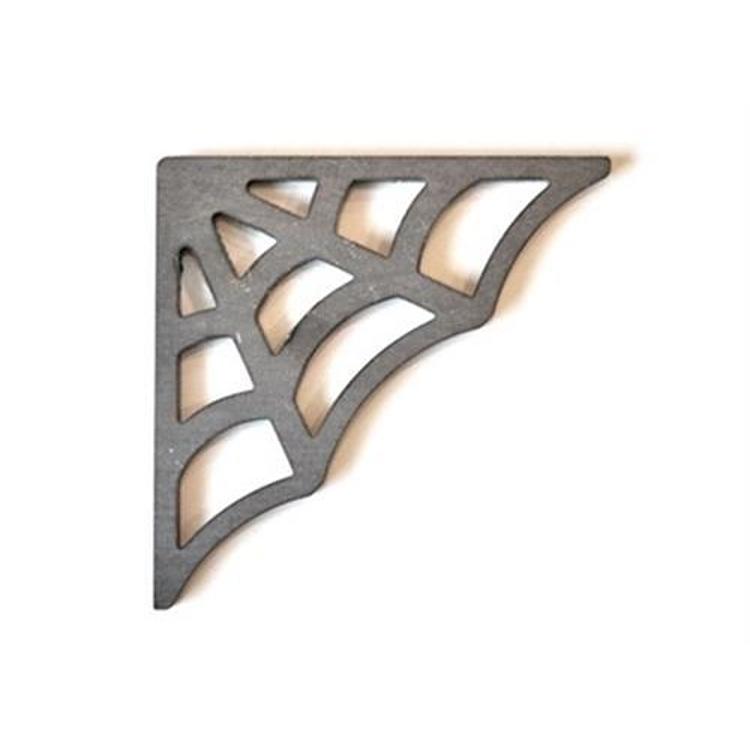
Tube size is not uniform across a race cage. Ultra4 lets a supporting tube with an unsupported span under 30 inches run the main tube diameter in .095 inch wall, or .25 inch smaller in .120 inch wall. A plate gusset stiffens a tube junction, and Ultra4 requires gussets at all major intersections, accepting 3 x 3 x .125 inch flat plate or tube gussets of cage material. Poison Spyder’s Spyder Web gusset 43-43-001-W and curved web gusset 43-43-011-W are 3.5 x 3.5 inch pieces of 3/16 inch steel, and the roll cage gusset category holds Trail Gear versions as well. Check the joint angle against the gusset before welding one in. Grab handles such as the 14-19-020 pair, in 1.25 x .120 inch DOM, are smaller tube and not part of the main structure.
DOM vs HREW: does the tube type matter for a roll cage?
Yes, because DOM gets a cold drawing step that HREW does not, and some sanctioning bodies accept only DOM or better. DOM means drawn over mandrel, covered by ASTM A513 as Type 5. HREW means hot rolled electric welded, the as-welded A513 Type 1. CREW is the cold rolled version, Type 2. All three start as welded tube.
- How DOM is made: electric resistance welded tube has all the flash removed, then is cold drawn through dies and over mandrels at the same time. That brings exact wall and diameter tolerances, higher yield and tensile strength, and a weld seam that is no longer visible.
- What the numbers look like: the main body of A513 sets no minimum yield, tensile or elongation; those are supplementary requirements a buyer specifies. So “DOM” alone is not a strength rating. The DOM in Poison Spyder header bars is rated at 70,000 psi yield, and a mill certificate is the way to get a number when you buy tube for a custom build.
- What makers use: Poison Spyder builds its cages from 100% DOM and argues that DOM beats HREW in tensile and yield strength. Smittybilt’s SRC kits specify 1020 DOM.
The rules differ on this. The 2026 Ultra4 rulebook accepts 1020 mild steel or better, and names CREW, DOM, WHR and WCR mild carbon steel plus 4130 chromoly for the main structure. The American Off-Road Racing Championship requires 4130 chromoly or ASTM 1018/1026 CDS or DOM, which leaves as-welded tube such as HREW out. For a Jeep, DOM is the common ground: it meets both, and it is what the mainstream kits use.
Should a roll cage tie to the frame or the tub?
Both approaches are allowed in major off-road rule sets, and each has a trade-off. A tub-mounted cage moves with the body and has to spread its loads into thin sheet metal, while a frame-tied cage gets a direct path to the frame but has to deal with the rubber body mounts between frame and tub.
The TJ and JK are body-on-frame: the tub sits on rubber body mounts that let it move slightly against the frame. The cages above land on the body. The Poison Spyder lower A-pillars 14-18-011 tie the TJ and LJ cage A-pillars to the floor, and the JK Trail Cage bolts to the floor, door post and dash structure. That makes the condition of the floor as important as the tube, so look for rust, old repairs and thin metal before buying anything.
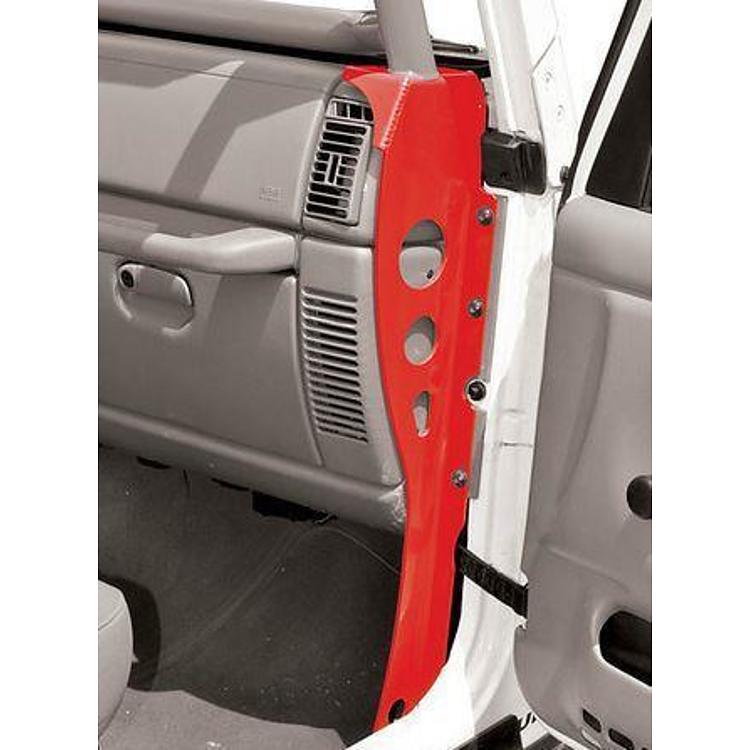
The race rules show what a sound body mount looks like:
- Sandwich the body: Ultra4 requires two doubler plates at least .1875 inch thick and of different sizes, one on each side of the body structure, oriented in the horizontal plane only.
- Bolt size: Ultra4 and the American Off-Road Racing Championship both set at least 3/8 inch SAE Grade 8 fasteners or equivalent.
- No direct welds to the body: American Off-Road Racing Championship rules bar cab or body mounted cages from attaching by direct welding; they must be bolted through with doubler plates.
- Solid terminal points: both rule sets say the cage ends must land on a frame or body member that will support maximum impact and not shear.
Plates for custom work exist too. The TeraFlex Roll Cage Anchor Plate 4909104 is a universal foot plate for custom roll bars and cage kits, though a sandwich mount also needs its matching plate under the floor. The Association of Land Rover Clubs roll-cage regulations state the goal plainly: spread the load over a large area of chassis, not a spot the size of the tube.
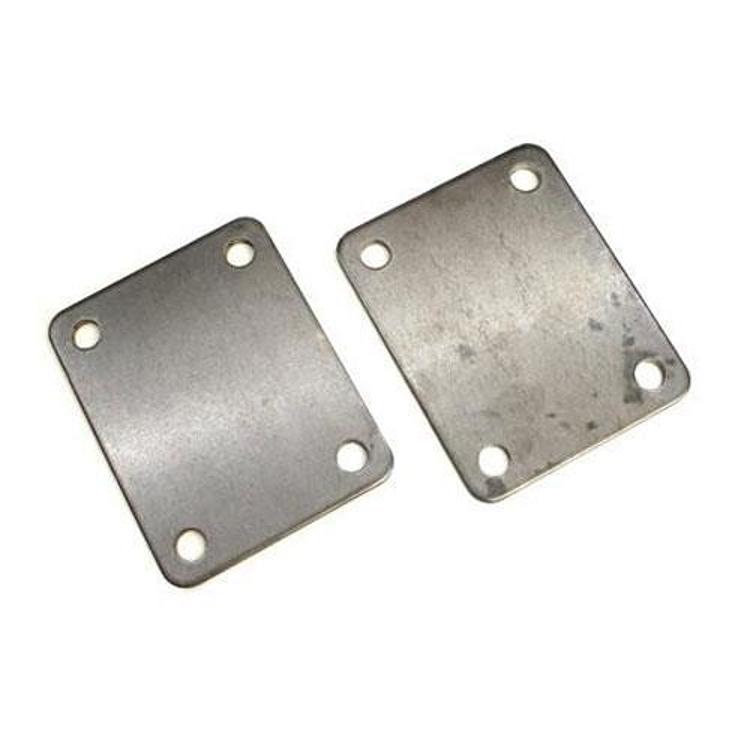
A frame tie has its own logic. A tube that runs through the floor to the frame gives the cage a direct load path, but the frame and tub keep moving against each other on those rubber mounts, so a rigid tube fixed at both will load the floor and the mounts. Ultra4’s Stock class shows the scale of the change: factory body mounts may be modified or removed only to let the cage pass through the body and attach to the chassis, and the body must stay within 1 inch of its original position.
How do seats, seat belts and harness bars fit into a cage?
A cage changes where the belts anchor and how much room the seats have, so plan them with the tube and not after it. Add-on cages generally leave the factory belts in place. A full cage replaces the structure those belts may use, so it needs dedicated belt mounts.
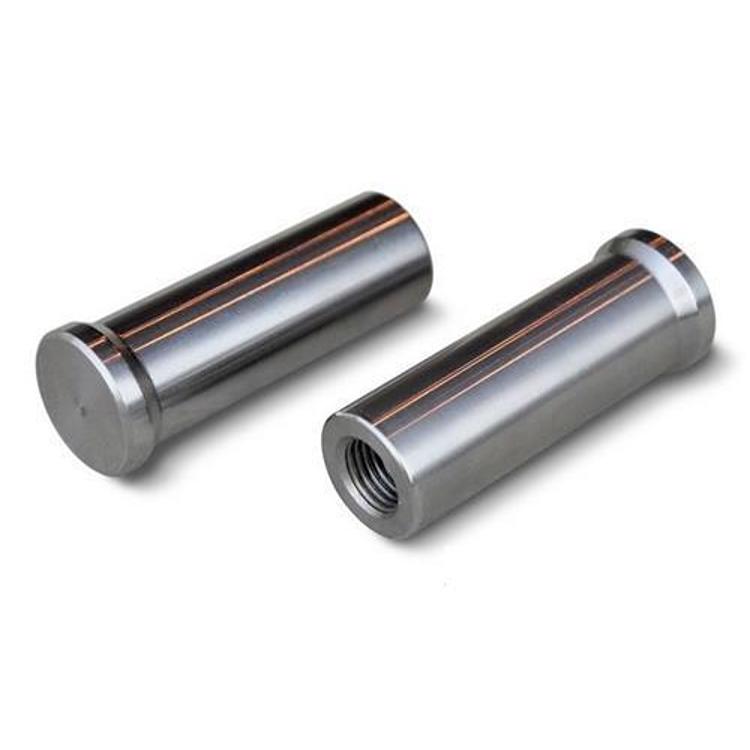
The Poison Spyder machined seatbelt bung 14-19-031 is sized for 1-3/4 inch tube and threaded internally for common seat belt hardware, and its most common job is a shoulder belt mount. The GenRight GRC-4001 weld-in cage for the Wrangler YJ shows the other approach, with new bungs included so the factory belts can be re-used.
Harness bars and harnesses
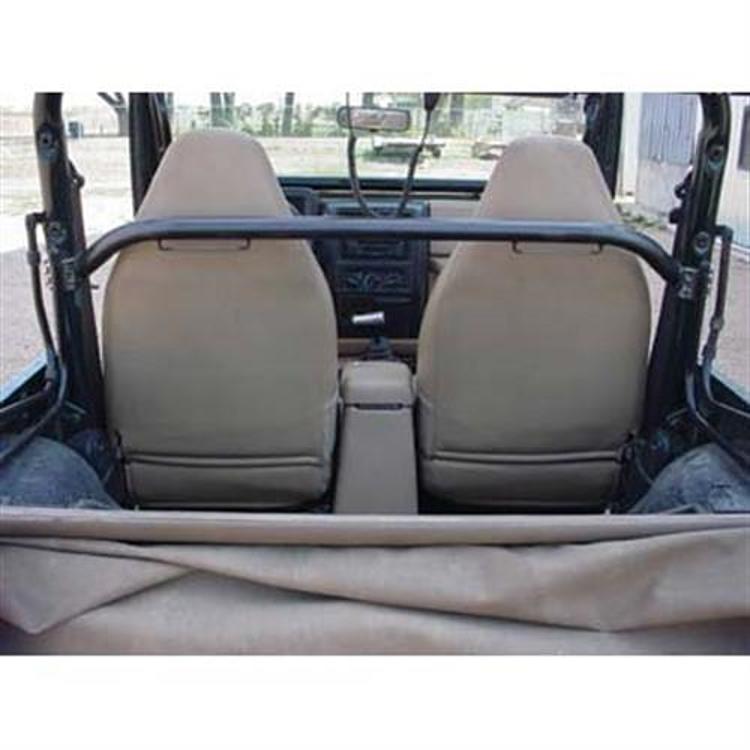
A harness bar gives a 4-point or 5-point belt a rigid anchor behind the seats. The Rock Hard RH-1004 fits the TJ and LJ, the RH-1030-SFH2 fits JK 2-door models from 2007 to 2016, and the RH1030-RH4 is a rear seat bar for JK 4-door models from the same years. Height matters. Motorsport UK’s safety regulations say the rear anchorage should keep the strap from the shoulder as near horizontal as possible, and not sit on the floor directly behind the occupant. The American Off-Road Racing Championship and CHAMP Off-Road both put the shoulder harness mount about 4 inches below the top of the shoulder, and CHAMP requires belts to mount directly to a gusseted main structure member of cage-size tube, so check a bolt-in bar against that before relying on it at a race.
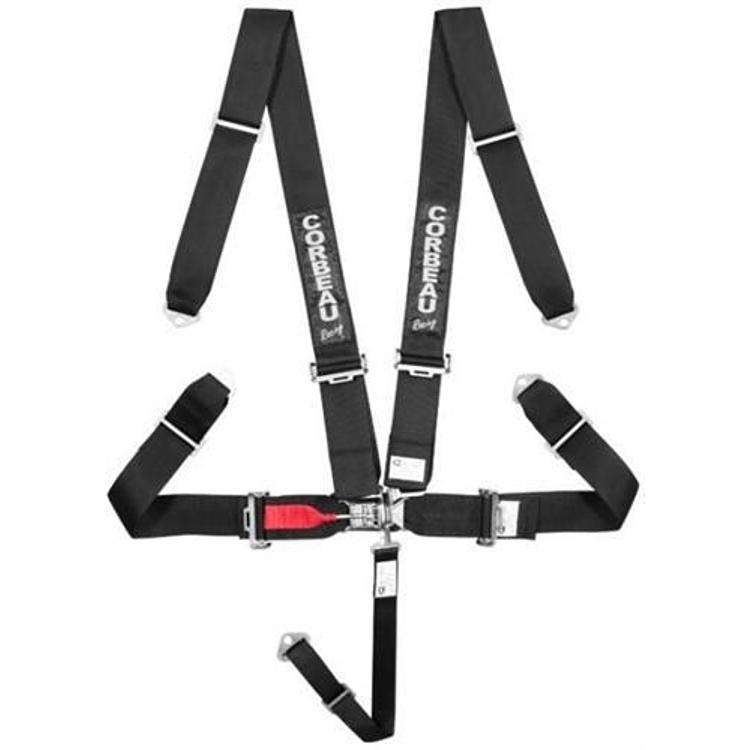
Belts vary as much as cages. The Corbeau LL53001B 5-point harness has 3 inch webbing, a latch and link release and SFI 16.1 approval, and the two rear straps can wrap around a harness bar or roll cage. The Corbeau 44001B is a 2 inch lap and 4-point belt with a push button buckle, which Ultra4 and the American Off-Road Racing Championship do not allow. The seat belt category holds more options.
Seats and airbags
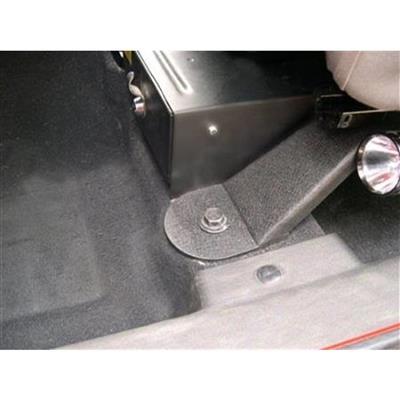
Check seat travel, seat belt movement and head clearance with the tube in place. Seat brackets can change the seat position: the Rugged Ridge 13201.12 adapter suits Rugged Ridge and Outland replacement seats on the passenger side of 1997–2002 TJ models, and the Misch Big Boy JBBJK350P adds a claimed 3 inches of leg room on 2011–2018 JK 2-door models. The seat mounting bracket category has more. Jeep’s 2005 Wrangler owner’s manual warns against putting anything on or around the front airbag covers, so check a dash bar against those covers in your Jeep before you drill or weld.
What padding does a Jeep roll cage need?
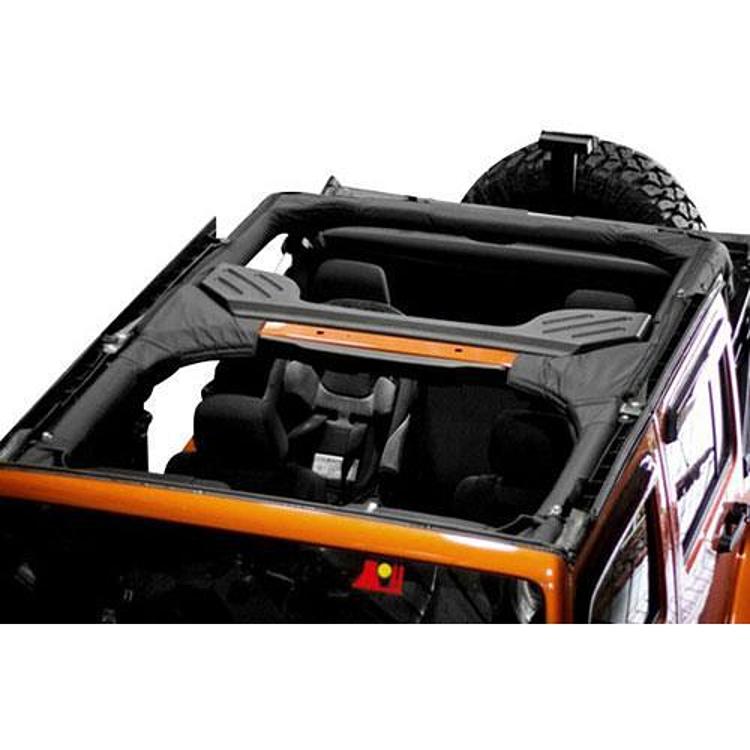
Padding belongs on any tube that an occupant’s head can reach, and the type of padding matters. Most zip-on sport bar covers are foam for comfort and appearance, while race rules can demand a certified high-density pad.
- Comfort covers: the Rampage 769115 padding kit is 1/2 inch foam with zippers, sold as a pair for window braces. Rampage’s 668935 kit for the Suzuki Samurai uses the same 1/2 inch foam and is labeled as not designed to protect occupants in an accident.
- Factory bar covers: the Rugged Ridge 13612.15 fits factory bars only, so it may not fit a full cage. The Rugged Ridge 13613.05 is a heavy-weight vinyl replacement for 2007–2018 JK Unlimited models.
- Race padding: the CHAMP Off-Road rulebook requires high-density flame-proof padding rated SFI 45.1 on all bars that may contact the driver, attached so it cannot rotate or move. The SFI Foundation publishes its specifications and manufacturer lists.
Before ordering, measure the tube and note that a pad made for a factory bar may not suit round 1.75 inch cage tube. In the roll bar pads and covers category, check the vehicle and the bar shape on each part.
What roll cage rules apply at organized events?
The sanctioning body’s current rulebook decides, and the chief technical inspector can still say no. Ultra4’s Chief Technical Inspector can refuse any cage design considered unfit for competition, and competitors remain responsible for design, fabrication and maintenance. The table shows published minimums, which change, so read the current edition before you build.
| Item | Ultra4 (2026 rulebook) | American Off-Road Racing Championship | CHAMP Off-Road |
|---|---|---|---|
| Weight basis | Dry weight in race trim, without occupants | As raced, without driver | Set by race division |
| Main tube, mid weight | 1.75 x .120 in: 3,201–4,400 lb | 1.75 x .120 in: 3,001–4,000 lb | Set by race division |
| Main tube, heavy | 2 x .120 in: over 4,400 lb | 2 x .120 in: 4,000–6,000 lb | Set by race division |
| Material | 1020 mild steel or better; CREW, DOM, WHR, WCR or 4130 | 4130 chromoly or ASTM 1018/1026 CDS or DOM | 4130 chromoly or ASTM 1018/1026 CDS or DOM |
| Body mounting | Allowed, with sandwich plates, .1875 in | Allowed, bolted through with 3/16 in doubler plates, no direct welds | See the division rules |
| Padding | Required where a helmet may contact; 3 in helmet clearance | Required where a helmet may contact; 3 in helmet clearance | SFI 45.1 where the driver may contact |
| Harness | Five-way or more, SFI 16.1, SFI 16.5 or FIA 8853, latch-and-link or camlock, no push button | Five-point, SFI 16.1 or 16.5, no push button | SFI 16.1 or 16.5, no cam or twist lock |
Some rules bear directly on the bolt-in vs welded question:
- Side bars: Ultra4 requires at least one on each side, in the same tube as the main cage, and securely welded to the front and rear hoops, even with factory steel doors.
- Six points: Ultra4 requires six-point mounting over the occupants.
- One-piece hoops: the American Off-Road Racing Championship requires upper main, front, rear and lateral hoops to be made in one piece without joints, which a bolted coupler in one of those hoops would not meet.
- Bolt-together adapters: the same series’ UTV rules say all bolt-together cage adapters must be welded together.
- Seats: Ultra4 prohibits OEM production seats, requires seats from a recognized racing maker with harness slots, and requires mounting that keeps the seat from moving against the frame.
A trail-oriented bolt-in cage is built for a different job, so do not assume it will pass tech at a race. Trail events and club runs set their own rules, so ask the organizer before the build and get the answer in writing.
Which Poison Spyder roll cage fits a TJ or a JK?
For a TJ or LJ, Poison Spyder offers a weld-in add-on, a weld-in full kit and a fully welded full cage. For the 4-door JK it offers bolt-together Trail Cages. The right one follows from whether you weld, and whether you want to keep the factory bar.
The short version
- TJ or LJ, you weld, factory bar stays: Poison Spyder Trail Cage 14-18-010.
- TJ, you weld, factory bar goes: Poison Spyder Full Cage Kit 14-19-010, or the 15-19-010 on an LJ.
- TJ or LJ, no welder, factory bar goes: Poison Spyder 14-19-010-W, or the 15-19-010-W on an LJ.
- 4-door JK, no welder: Poison Spyder 18-18-015-G, or Smittybilt 76904 for 2011–2018 and 76902 for 2007–2010.
- 2-door JK, no welder: Smittybilt 76903 for 2011–2018 or 76901 for 2007–2010.
- Racing: start from the rulebook and the vehicle’s race-trim weight, then choose the tube.
A few points apply to all of them. Poison Spyder kits come in bare steel, so plan time for a coating. Smittybilt powder coats its SRC tube in satin black. Fit the top before final assembly, because every bar affects it, and if a lift is on the same list, look at how JK lift heights change the Jeep and at how the Wrangler compares with the Bronco and 4Runner as a platform. The roll cages and related parts category and the grab handle category cover the small parts. Recheck every fastener after the first few drives and at regular intervals, inspect welds and gussets for cracks after any hard hit, and have a qualified fabricator look at the finished work.
Frequently asked questions
Is a bolt-in roll cage as strong as a welded roll cage?
Not automatically, and no single answer covers every kit, because the joints, tube size and mounting all differ. A welded joint fuses the tubes, while a bolted joint depends on its clamp or coupler and on fastener tightness. Compare the tube, the way the joints are made, and what the cage bolts to. A fully welded cage that bolts into the Jeep, such as the Poison Spyder 14-19-010-W, combines factory-welded joints with a bolted installation.
Does a Poison Spyder Trail Cage replace the factory sport bar?
No. The Trail Cage extends the factory bar, so the factory bar stays and must be sound. The 14-18-010 for the TJ and LJ welds to the factory windshield bars, and the 18-18-010 for the 4-door JK bolts together. The Poison Spyder Full Cage Kit and its fully welded versions are the parts that replace the factory cage.
What size tube does a Jeep TJ or JK roll cage need?
The Poison Spyder, Smittybilt and Rock Hard kits discussed here use tube with a .120 inch wall, and most are 1.75 inch diameter. Ordinary trail use has no published minimum. Ultra4 requires 1.75 x .120 inch mild steel for a dry weight of 3,201 to 4,400 lb and 2 x .120 inch above that, so weigh a heavy 4-door JK in race trim before choosing tube for competition.
Does DOM tubing have a weld seam?
It starts with one. DOM begins as electric resistance welded tube with the flash removed, then is cold drawn through dies and over mandrels, which tightens its tolerances, raises its strength and leaves the seam no longer visible. Tube made with no weld at all is a separate product: cold drawn CDS, under ASTM A519. HREW is the as-welded hot-rolled tube, ASTM A513 Type 1, without the drawing step.
Should a Jeep roll cage be tied to the frame?
Not necessarily. Ultra4 and the American Off-Road Racing Championship both allow mounting to the frame or the body. Under those rules, a body mount has to sandwich the body between 3/16 inch doubler plates, using at least 3/8 inch Grade 8 bolts. A frame mount gives the cage a direct path to the frame, but the rubber body mounts let the tub move against it, so the tube needs a plan for that movement where it passes through the floor.
Do I need racing harnesses with a roll cage?
Not for ordinary trail use, and the factory belts must keep working after any cage install. Organized racing is different: Ultra4 requires a five-way, six-way or seven-way harness with a latch-and-link or camlock buckle, labeled to FIA 8853 or SFI 16.1 or 16.5, and it prohibits push button buckles. A harness also needs a bar or cage tube mounted at the right height behind the seat.
Compare the full range in the roll cages and roll bars category, then match the part to your TJ, LJ or JK before you order tube or get out the welder.
Sources
- Ultra4 Racing, 2026 Ultra4 Rulebook V6.66: sections 2.2.9 and 2.2.11 (restraints and seats), 2.6 (roll cages), 3.2.9 (body mounts).
- American Off-Road Racing Championship, 2026 rulebook: TR34 roll cages and TR35 safety harness.
- CHAMP Off-Road, rulebook: roll cage construction, padding and belts.
- Association of Land Rover Clubs, 2025 roll-cage regulations: materials, hoops and mounting.
- Motorsport UK, Competitors: Safety (K): harness anchorage geometry.
- Jeep, 2005 Wrangler owner’s manual: sport bar, open-body and airbag cover warnings.
- Steel Tube Institute, Drawn Over Mandrel and Understanding HSS Material Specifications: how DOM is made, and what A513 does and does not require.
- ASTM International, A513/A513M: tube types for electric resistance welded mechanical tubing.
- SFI Foundation: harness and padding specifications.
- Poison Spyder Customs, Rock Hard and Corbeau: cage, harness bar and harness manufacturers.