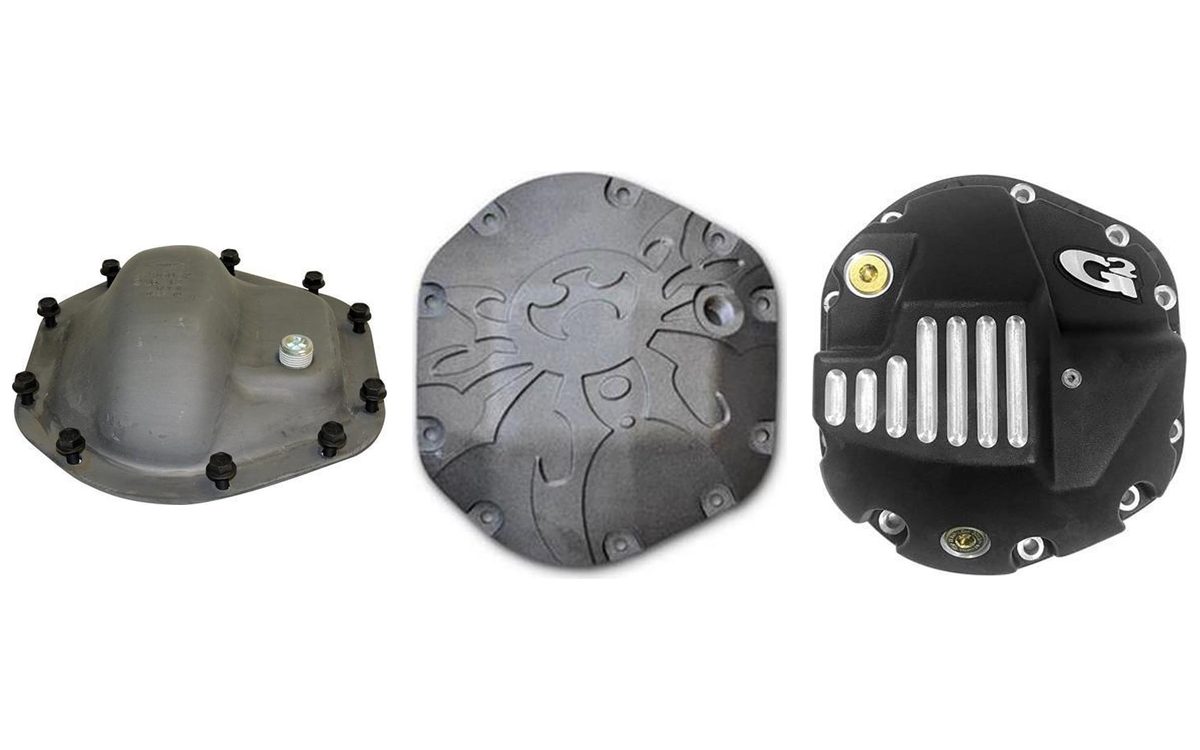
An aftermarket differential cover is one of the first armor parts most trail rigs get, and one of the most argued about. On a stock daily driver it does almost nothing a factory cover does not already do. On an axle that drags over rock, carries a locker or tows near its limit, a heavy-duty differential cover protects the most expensive parts in the housing. Here is the answer by use case.
Key takeaways
- Stock and on-road: keep the factory stamped cover. It seals, it is light and it rarely fails.
- Rock crawling: a 1/2 inch thick nodular iron cover stops dents and peel-back that can wreck a ring gear and locker.
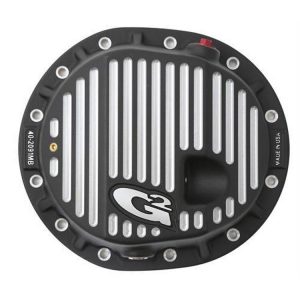
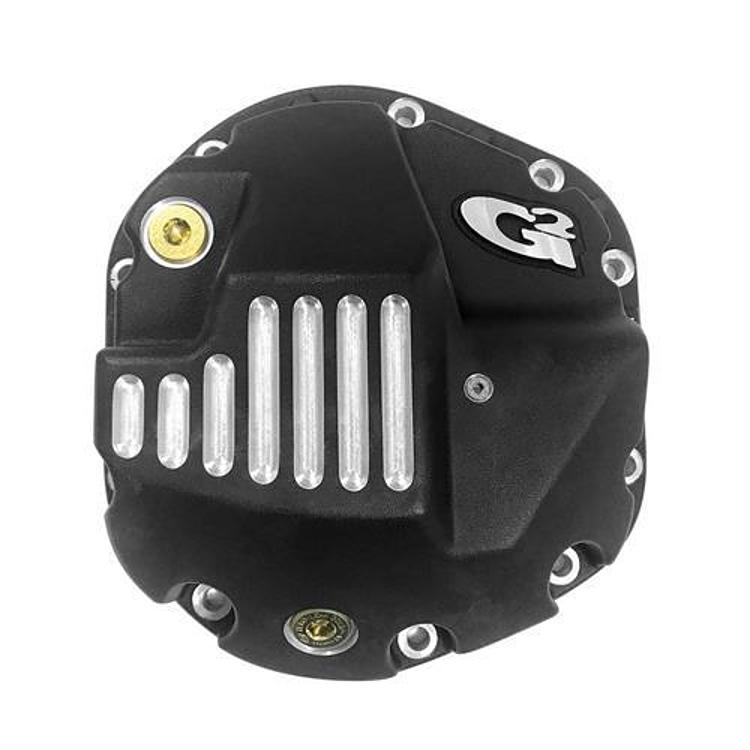
- Towing and heat: finned aluminum with extra oil volume helps; the G2 Brute Dana 44 cover holds 2 to 2.5 quarts.
- Oil level matters more than shape: fill to the mark the cover is designed for, not “as much as fits”.
- High power: load-bolt covers brace the bearing caps on axles such as the Ford 9.75.
What the factory stamped cover does
A factory cover is pressed from thin sheet steel, sealed with a gasket or a bead of RTV and held on with ten or so bolts. It has three jobs: keep the gear oil in, keep water and dirt out, and give a mechanic access to the ring and pinion. On many axles it also carries the fill plug. Its inside face follows the shape of the ring gear closely, which keeps the axle’s oil volume small and the oil moving where the gears need it.
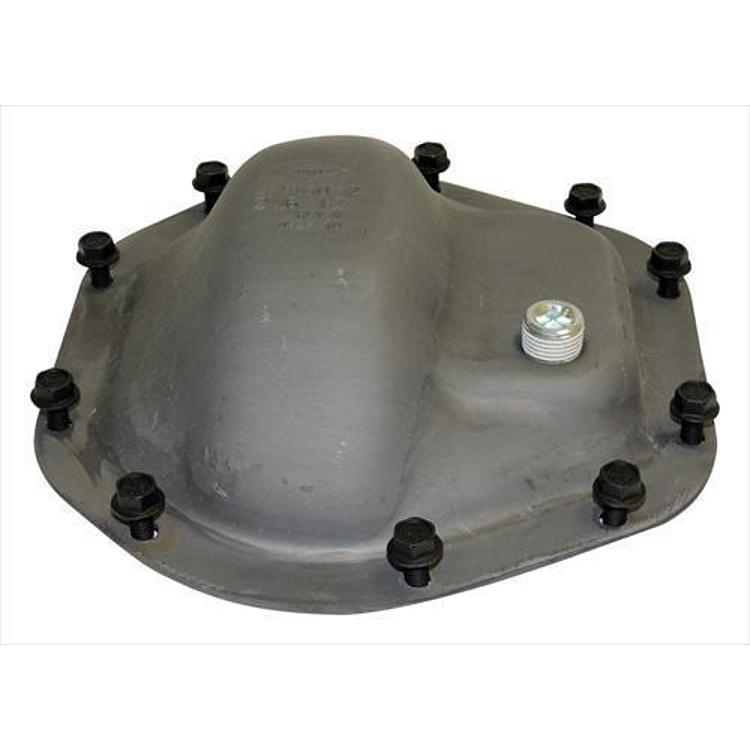
Its weakness is strength. The center of the axle hangs lower than anything else on a solid-axle rig, so on a trail the cover is often the first part to touch rock. A hard hit can dent a stamped cover into the ring gear, chipping teeth or damaging a locker. The more common failure is peel-back: the lower lip catches a ledge, bends away from the housing and the oil drains out. A Crown Automotive stamped Dana 30 cover is a direct factory-style replacement, and it is the right part for a stock axle that only needs a new seal.
What a heavy-duty cover adds
Aftermarket covers differ in material, thickness and features, and few have all of these:
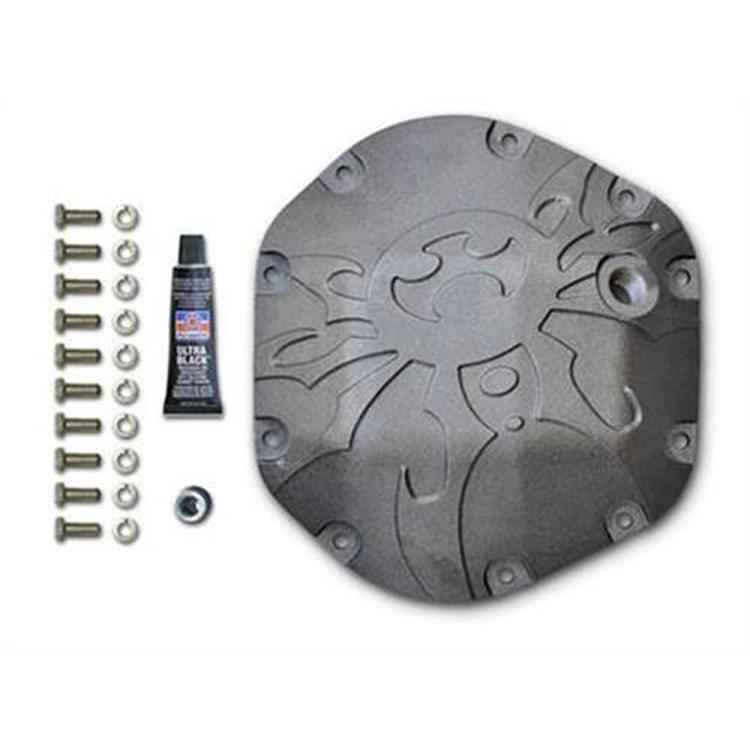
- Thickness and rock protection: the Poison Spyder Bombshell runs 7/16 to 1/2 inch thick at the outer surface and up to 1 inch at the bolt ring, where rock contact is most likely. Recessed bolt heads and a ramp profile help it slide over a rock instead of catching.
- Bearing cap support: some covers carry load bolts that thread through the cover and bear on the carrier bearing caps. They limit cap flex under high torque and keep the ring gear in mesh.
- Drain and fill plugs: a drain plug in the cover makes an oil change a plug job instead of a cover job. Magnetic plugs catch wear metal.
- Dipstick or level features: a dipstick bolt or a fill plug placed at the right height takes the guessing out of the fill level.
- Extra fluid capacity: a deeper cover holds more oil, which gives the axle more thermal mass under sustained load.
- Finned aluminum: fins add surface area, and aluminum conducts heat at least three times better than cast iron.
Cast iron, cast aluminum or fabricated steel
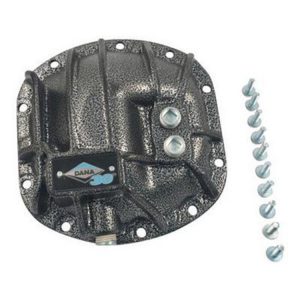
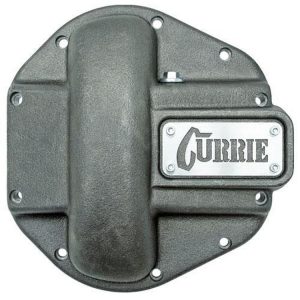
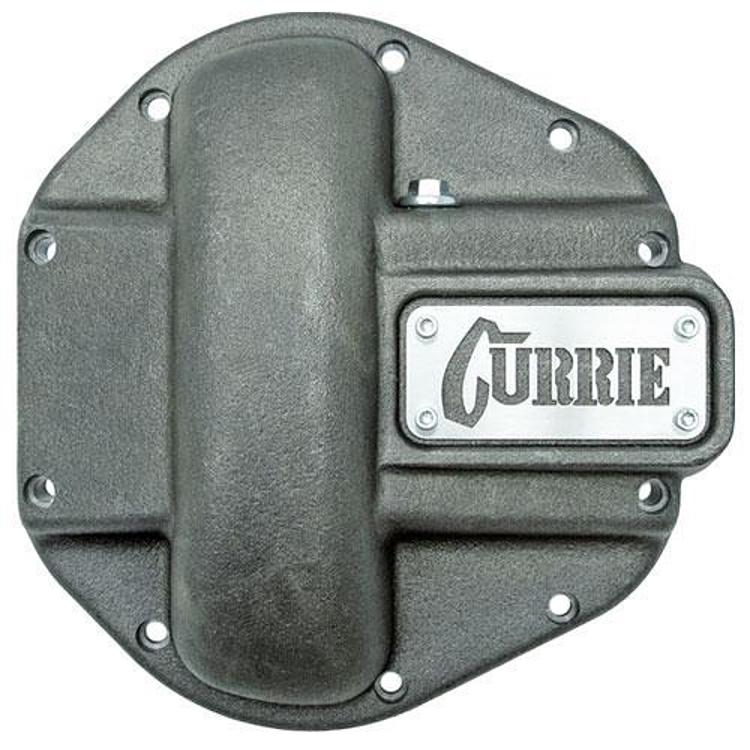
Ductile (nodular) iron is the trail standard. Its graphite forms small spheres instead of flakes, so it bends before it cracks, unlike brittle gray iron. The Poison Spyder Bombshell for the Dana 44, the Currie RockJock Dana 60/70 iron cover and the Dana Spicer nodular iron Dana 30 cover are all iron castings built to take hits. The cost is weight, and all of it is unsprung weight hanging on the axle.
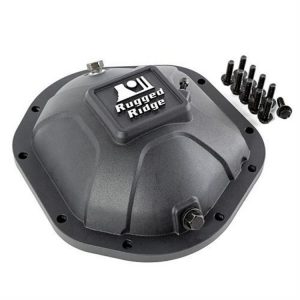
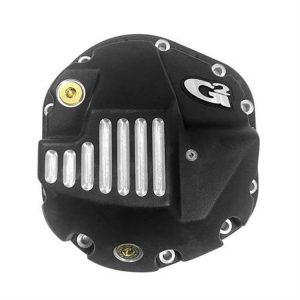
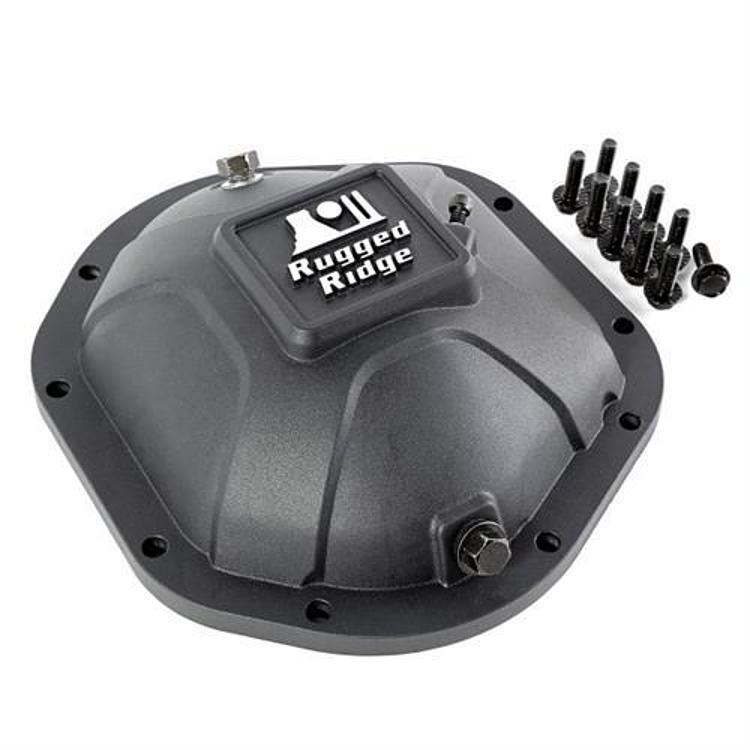
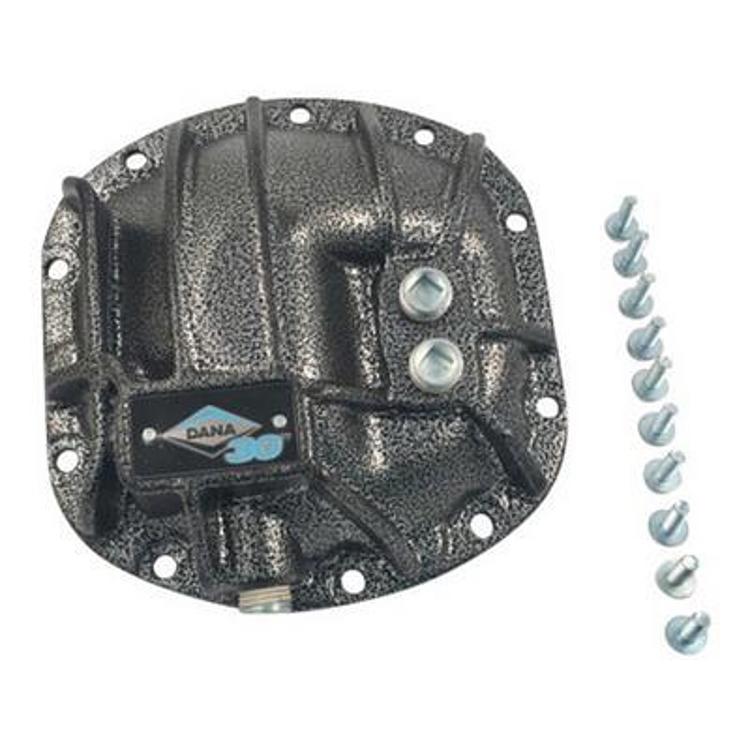
Cast aluminum covers such as the G2 Brute Dana 44 cover, the Rugged Ridge Boulder Dana 44 cover and the Alloy USA Dana 35 cover use heat-treated A356-T6 alloy. They are lighter, shed heat faster and often carry a magnetic drain plug and a dipstick. Aluminum is softer than iron, so a sharp rock gouges it, and a casting can crack where a hard hit lands on a thin section. That makes aluminum a strong choice for towing and mixed driving and a weaker one for crawling where the cover will slide on rock every trip.
Fabricated steel covers are cut from plate and welded. They are tough and can be repaired with a welder, and a welded cover needs a truly flat sealing face to stay dry.
Comparison of cover types
| Cover type | Rock protection | Heat and oil | Weight | Best for |
|---|---|---|---|---|
| Factory stamped steel | Low: dents and peels | Factory volume | Lightest | Stock road vehicles |
| Cast nodular iron | Highest: bends before cracking | Often extra volume | Heaviest | Rock crawling, lockers |
| Finned cast aluminum | Good, gouges on sharp rock | Best cooling, extra volume, dipstick | Light | Towing, mixed use |
| Fabricated steel plate | High, weld-repairable | Varies by design | Medium to heavy | Custom and competition builds |
| Load-bolt performance cover | Moderate | Fill and drain plugs | Medium | High power, drag and towing |
The oil flow and overfill debate
The argument over cover shape is about lubrication. As the ring gear turns, it lifts oil out of the sump and throws it around the housing. On most axles the pinion bearings are fed by a channel cast into the housing above the pinion, which catches oil thrown off the ring gear and drains it down between the two pinion bearings. The carrier bearings get oil from the same splash.
A factory-contour cover keeps its inner wall close to the ring gear, so thrown oil hits it and runs back into the gear mesh and toward that channel. A flat-back or deep cover leaves more open space behind the ring gear. It holds more oil, but at the same oil level some of the splash simply falls back into the sump. The difference is real but small next to the effect of the oil level itself. An axle filled to the correct level keeps its bearings fed with either shape; an axle that is low on oil starves its pinion bearings with any cover.
Overfilling is the other half of the debate. When a cover adds volume and moves the fill plug, filling to that plug can put more oil in the axle than it needs. Extra oil adds churning drag and heat at highway speed. Hot, foaming oil climbs the axle tubes, loads the axle seals and pushes out the breather, which is one reason a Dana 44 vent that weeps after a long drive is a warning sign. Fill to the dipstick or level plug the cover is designed around, check it with the vehicle level, and recheck after the first drive.
Who benefits from an aftermarket cover
- Rock crawlers: a thick iron cover is cheap insurance for a ring and pinion and locker that took hours to set up. It pairs with skid plates under the rest of the drivetrain and with upgrades such as chromoly Dana 44 shafts.
- Built front axles: the front cover leads into every obstacle. Thinner front axles such as the Dana 30, compared in Dana 30 vs Dana 44 vs Dana 60, gain the most from a Bombshell Dana 30 cover or a nodular iron replacement.
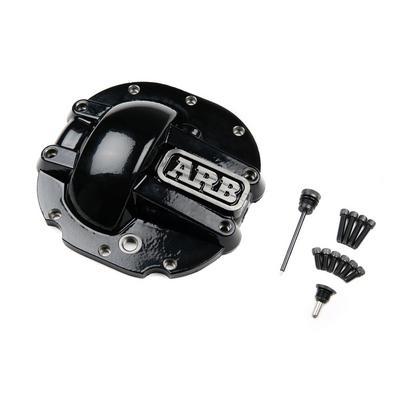
- Air locker owners: the ARB M186 front cover and ARB M200 rear cover protect the ring and pinion and the Air Locker on the axles used under many Wrangler JL models.
- Towing: sustained load heats gear oil, and extra volume plus fins slow the climb. The G2 aluminum cover for the GM 12 bolt adds capacity and fins to a classic rear axle.
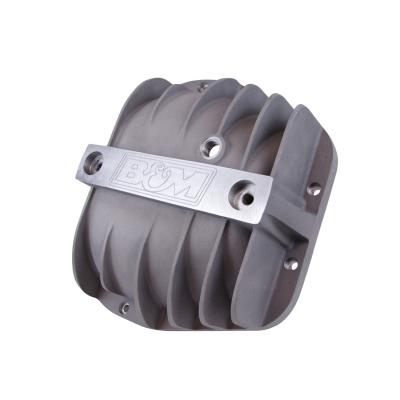
- High power: a load-bolt cover such as the B&M cover for the Ford 9.75 rear axle braces the bearing caps so the carrier stays in place under hard launches.
Who does not: a stock daily driver, a truck that never leaves pavement or a rig that sees only graded dirt roads. The factory cover will outlive the vehicle, and a heavy cover adds weight for no gain. If a stock cover is dented or leaking, a new stamped cover and gasket fixes it. Some axles have no rear cover at all: the Ford 9-inch drops its third member out of the front of the housing.
Installing a differential cover
- Drain and inspect: pull the old cover over a pan and look at the oil and the old magnet. Chips or flakes mean the gears or bearings need attention first.
- Clean both faces: scrape the old gasket or RTV off the housing and the cover, then wipe both with a solvent that leaves no film.
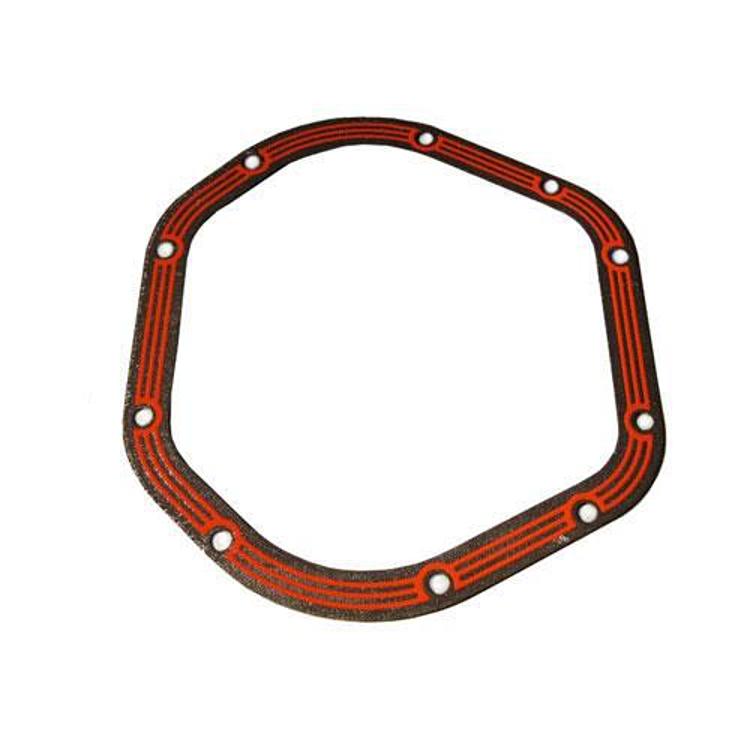
- Gasket or RTV: a reusable steel-core gasket such as the Lube Locker Dana 44 gasket needs no sealant. With RTV, run a continuous bead inside the bolt holes and install the cover before the bead skins over. Covers with an O-ring seal use neither.
- Bolt torque: tighten in a crisscross pattern to the figure in the cover maker’s instructions or the axle’s service manual. Over-tightening distorts a stamped flange and can strip threads in the housing.
- Fill level: with the vehicle level, fill to the bottom of the fill hole or to the dipstick mark the cover provides, using the gear oil the axle calls for (limited-slip units may need friction modifier).
- Clearance and load bolts: on a front axle, cycle the steering and suspension to check a bulky cover against the track bar and steering linkage. Set load bolts to the maker’s clearance and lock them with their jam nuts.
The verdict
Worth it if the axle meets rock, carries a locker or works hard; not worth it on a stock road vehicle. For crawling, buy ductile iron and accept the weight. For towing and mixed use, buy finned aluminum with a dipstick and fill it to that mark. For high power on a cover-type rear axle, buy a load-bolt cover. Whatever you choose, the oil level does more for the bearings than the cover shape does.
Frequently asked questions
Do I need an aftermarket differential cover on a stock Jeep?
Not for road driving. The factory stamped cover seals the axle and survives normal use for the life of the vehicle. Buy a heavy-duty cover when the axle starts meeting rocks, ledges or stumps, or when you add lockers and gears you do not want to replace.
Is a cast iron or an aluminum differential cover stronger?
Ductile nodular iron takes a hard rock strike better. It bends before it cracks, while cast aluminum can gouge or crack where a thinner section takes the hit. Aluminum is lighter and sheds heat faster, so it suits towing and mixed driving better than crawling.
Does a flat-back differential cover starve the pinion bearings of oil?
Not on its own. Most axles feed the pinion bearings through a channel cast into the housing that catches oil thrown by the ring gear. The cover shape changes how much oil reaches that channel at a given level, so fill the axle to the level the cover is designed for and the bearings stay fed.
Should I fill an extra-capacity cover to its own fill hole?
Fill it to the mark the cover provides, a dipstick or a fill plug set at the correct level. More oil than the axle needs adds churning drag and heat at highway speed and can push oil past the axle seals or out the vent.
Gasket or RTV for a differential cover?
Either seals when the faces are clean and flat. A reusable steel-core gasket needs no sealant and comes off clean at the next oil change. RTV needs a clean, dry face and a continuous bead inside the bolt holes, and the cover goes on before the bead skins over.
Covers are sorted by axle in differential covers, with a dedicated Dana 44 differential covers section. While the cover is off, it is a good time to look at differential gaskets and, if the gears are worn, ring and pinion sets.
Sources
- Poison Spyder Customs: Bombshell differential covers.
- ARB: diff covers, tools and accessories.
- Spicer Parts (Dana): nodular iron differential covers.
- Lube Locker: reusable differential cover gaskets.