

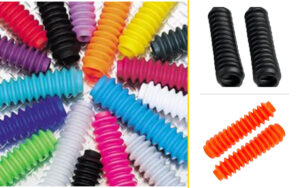
Shock boots keep grit and water off a lifted shock's shaft and seal. How to size, vent and inspect one, when it can trap…
Shock Absorbers & Shock Accessories
Showing 361–372 of 902 resultsSorted by popularity
-
Shock Absorbers & Shock Accessories
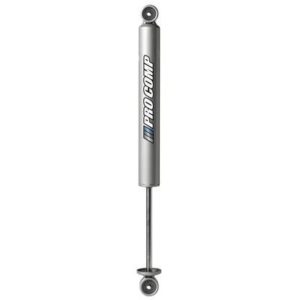
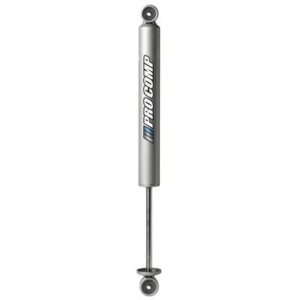
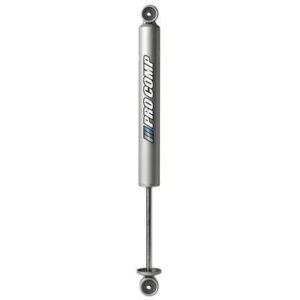
Pro Comp PRO-M Monotube Rear Shock Absorber – PR2085
- Fits 2007–2018 Jeep Wrangler JK, 2-door and Unlimited 4-door
- Designed for JK models with a 2-inch lift
- PRO-M monotube rear shock, nitrogen gas charged
- 25-inch extended length, 15.9-inch collapsed length
- 14mm chrome hardened shaft and polyurethane shock boot
SKU: EXPPR2085 -
Shock Absorbers & Shock Accessories
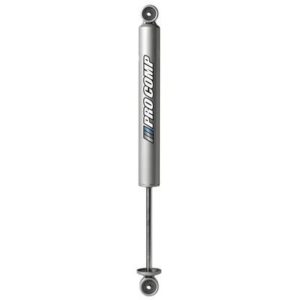
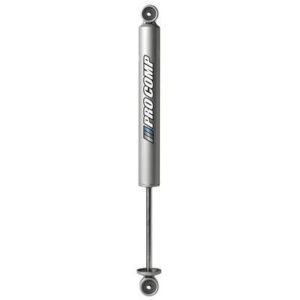
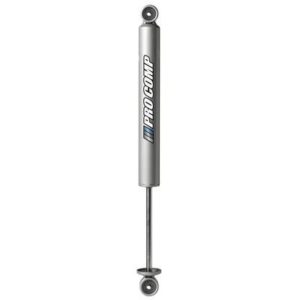
Pro Comp PRO-M Monotube Rear Shock Absorber – PR2083
- Pro Comp PRO-M nitrogen gas charged monotube rear shock for 0 to 2 inch lift
- Fits 2003-2024 Toyota 4Runner and 2007-2014 Toyota FJ Cruiser
- Multi-stage disc pack valving and 14mm chrome hardened shaft
- Polyurethane shock boot included; sold individually
SKU: EXPPR2083 -
-
Shock Absorbers & Shock Accessories
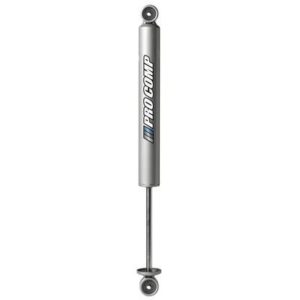
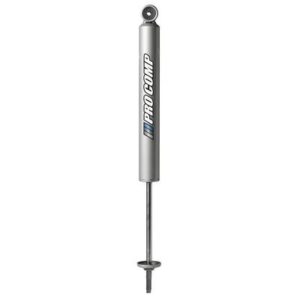
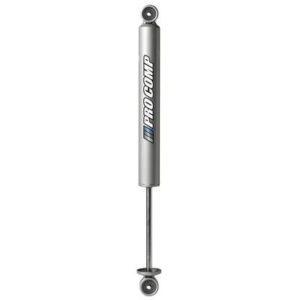
Pro Comp PRO-M Monotube Rear Shock Absorber – PR2067
- Pro Comp PRO-M monotube rear shock, part number PR2067
- For vehicles with 0 to 2 inches of lift
- Nitrogen gas charged, multi-stage valving, polyurethane boot included
- Fitment list covers 2004–2008 Ford F-150 models
SKU: EXPPR2067 -
-
Shock Absorbers & Shock Accessories
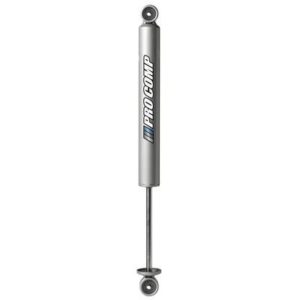
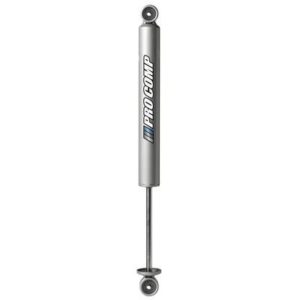
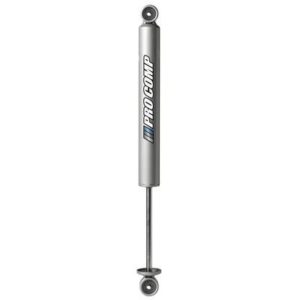
Pro Comp PRO-M Monotube Rear Shock Absorber – PR2061
- Pro Comp PRO-M rear monotube shock, part PR2061, sold individually
- Designed for 4 inches of lift
- Extended 23.5 in, collapsed 15.3 in
- Fits the 1997 to 2006 Jeep Wrangler TJ and 2004 to 2006 Wrangler LJ
SKU: EXPPR2061 -
-
Shock Absorbers & Shock Accessories
Pro Comp PRO-M Monotube Rear Shock Absorber – PR2050
- Fits 2005-2023 Toyota Tacoma
- Monotube PRO-M rear shock, nitrogen gas charged, vehicle-specific valving
- Extended length 26.9 inches, collapsed length 16.8 inches
- Polyurethane shock boot included, sold individually
SKU: EXPPR2050 -
-
Shock Absorbers & Shock Accessories
Pro Comp PRO-M Monotube Rear Shock Absorber – PR2045
- Rear monotube shock, nitrogen gas charged
- Fits 2004–2015 Nissan Titan
- Designed for 0 to 2 inches of lift
- Extended 24.8 in, collapsed 15.9 in, travel 8.87 in
- Polyurethane boot included; part number EXPPR2045
SKU: EXPPR2045 -
-
Shock Absorbers & Shock Accessories
Pro Comp PRO-M Monotube Rear Shock Absorber – PR2039
- Pro Comp PRO-M rear monotube shock, part PR2039, sold individually
- Designed for 0 to 2 inches of lift
- Extended 26.7 in, collapsed 17.7 in
- Fits 2011 to 2013 Chevrolet Silverado and GMC Sierra 2500 HD and 3500 HD
SKU: EXPPR2039
What a shock absorber does
A spring supports the vehicle, but it is the shock absorber that controls how fast the spring moves. Without damping, a vehicle would keep bouncing after every bump. The shock converts that motion into heat by forcing fluid through valving, which keeps the tire planted and the body under control on washboard, ruts and highway seams.
Common shock designs
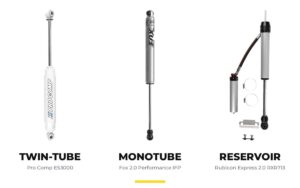
- Twin-tube: a compact design with an inner and outer tube. It is common on stock-style and light-duty replacements and generally rides smoothly.
- Monotube: a single tube with a separate gas chamber, usually nitrogen charged. It tends to resist fade better under repeated hard use, and larger bores such as 46mm move more fluid.
- Remote reservoir: adds an external reservoir for extra fluid volume and cooling, aimed at fast desert driving and heavy off-road use.
- Coilover and strut assemblies: combine the spring and damper in one unit, common on independent front suspension.
How to choose
Start with lift height, because a shock has to fit the travel your suspension actually has. Compare collapsed length and extended length against your vehicle's specifications; a shock that is too short can limit droop, and one that is too long can bottom out inside its travel. Many listings in this category are matched to a lift range, such as stock height to 1.5 inches or a 3 to 3.5 inch kit, so read that range closely.
Also note the position (front or rear), whether the shock is sold individually or as a set, the mount style (loop, stem or bolt-in), and whether the vehicle has air or electronic suspension, since shocks made for standard suspension generally do not apply to those systems.
Accessories and rebuild parts
Extension brackets, relocation brackets and mount kits help when a lift changes shock geometry or when a larger shock needs a different mounting position. Boots protect the shaft from dirt and rock chips, and rebuild kits replace worn internal wear items on serviceable shocks. Spherical bearings and spacers fit specific eye sizes, so match the bore and hardware to your existing shock.
Installation notes
Support the axle or frame safely before removing a shock, and replace worn bushings and hardware at the same time. Tighten fasteners to the torque specified by the vehicle or shock manufacturer, ideally with the suspension at ride height so the bushings do not bind. Replace shocks in pairs on the same axle for even handling. If you are changing lift height or the suspension geometry, professional installation and an alignment check are sensible. Always confirm fitment for your exact year, make and model before ordering.
Matching shocks to how you drive
A daily driver that sees mostly pavement and graded roads is usually happiest with a well-valved monotube or twin-tube shock that keeps the ride composed and quiet. A weekend trail rig that crawls over rocks benefits from a shock with enough stroke to let the axle droop, while a truck that runs fast across desert washboard may call for larger bodies and added fluid capacity. Heavy loads such as a camper, a winch bumper or a roof tent change the picture again, because added weight makes damping and spring rate more important. Think about your typical load before choosing, and remember that shocks do not replace springs: if the vehicle sags, the springs may need attention before any shock will feel right. Keep notes on your part numbers and the lift height they were chosen for, since that information makes future replacement much easier.
Related guides
- Shock Boots: Why Every Lifted Shock Needs One
- Twin-Tube, Monotube or Reservoir: Picking the Right Shock
Twin-tube, monotube and reservoir shocks compared: how each handles heat, how to size one for your lift, and which design fits how you drive.
Popular Shock Absorbers & Shock Accessories brands
- Pro Comp Suspension (198)
- Bilstein (151)
- ICON Vehicle Dynamics (92)
- FOX (87)
- Rancho (77)
- Rough Country (64)
- Fabtech (63)
- Skyjacker (53)
- ARB 4x4 Accessories (21)
- Rubicon Express (18)
- King Shocks (16)
- Trail Master (14)
Shop Shock Absorbers & Shock Accessories by type
- Suspension Strut Assembly (38)
- Shock Absorber Mount (13)
- Multi Shock Bracket (4)
- Shock Absorber Spherical Bearing (3)
- Shock Absorber Monoball Spacer (1)
- Shock Absorber Relocation Bracket (1)
Shock Absorbers & Shock Accessories FAQ
How do I know when shocks are worn out?
Common signs include a bouncy or floaty ride, nose dive under braking, uneven tire wear, fluid leaking down the shock body, and clunking from loose or worn bushings. A bounce test and a visual inspection help, and shocks wear gradually, so many owners replace them in pairs.
Do I need longer shocks after a lift?
Usually yes. A lift increases the distance between the axle and frame, so the shock needs enough extended length to avoid limiting travel. Compare collapsed and extended length with the lift range listed on the product page and with your vehicle's specifications.
What is the difference between monotube and twin-tube shocks?
A monotube uses one tube with a separate gas chamber and generally handles heat better during repeated hard use. A twin-tube uses an inner and outer tube and often rides more softly. The right choice depends on your driving and vehicle.
Are shock absorbers sold individually or in pairs?
It varies by product. Some listings are a single shock, others are a pair or a set for the whole vehicle. Check the sold-as detail on the product page, then confirm the quantity and position before choosing a part.