Brakes & Steering
Brakes and steering parts for Jeeps, trucks and lifted 4x4s, from disc brake kits, rotors, calipers and pads to tie rods, drag links and hydraulic steering assist. Brands include Power Stop, Moog, PSC Steering and EBC Brakes, along with TeraFlex and Skyjacker. Open a product page to compare details and part numbers, then compare the products below.
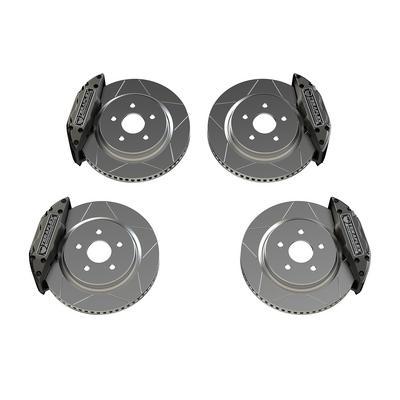
Stopping and pointing a heavy 4x4 gets harder with every inch of lift and tire. This category holds the hydraulic, friction and linkage parts that keep a built rig controllable, from wear sensors and hoses to forged high steer kits and full hydraulic steering.
The brake half splits into lines and fittings, disc and drum parts, ABS sensors, master cylinders and pedal pieces. The steering half runs from factory-style tie rods and adjusting sleeves up to drop pitman arms, heavy drag links, assist gearboxes and ram kits. Match parts by axle and bolt pattern, power or manual steering, and the tire size the part is rated for.
Shop brake and steering parts
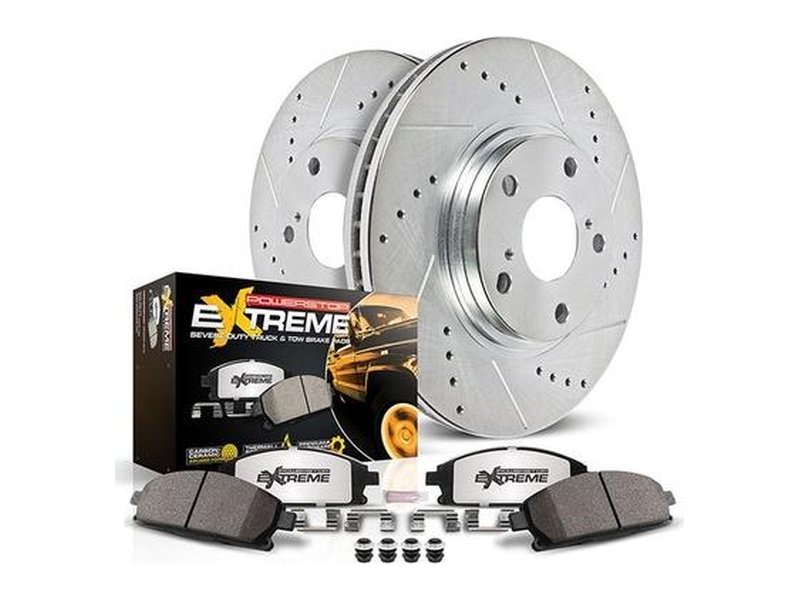
Popular brake and steering parts
-
Brake Hose
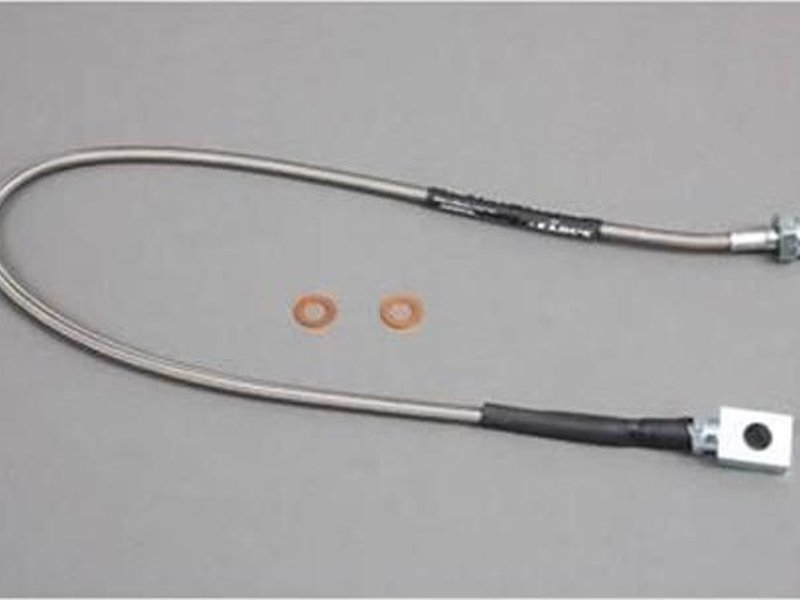
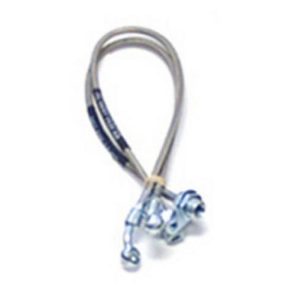
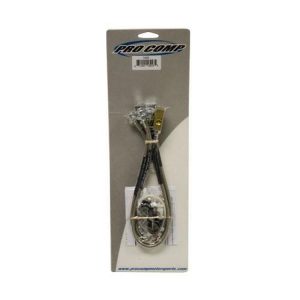
Pro Comp Brake Hose Kit
- Pro Comp brake hose kit, part number 7460, with front left and front right hoses at 22.5 inch
- Stainless steel braid, a complete kit to replace stock rubber hoses
- Lifted length, for vehicles with increased ride height
- Confirm fit for your vehicle before ordering.
SKU: EXP7460 -
Steering Knuckles & Components
Trail Gear Magnum Knuckle Stud – 140171-1-KIT
- Trail Gear Magnum knuckle stud, part 140171-1-KIT, with an 8mm hex head
- Made from ARP 2000 material and hardened to 220,000 PSI
- Longer than stock to accommodate aftermarket steering arms
- Designed to be stronger than stock replacement Toyota knuckle studs
SKU: TGI140171-1-KIT -
Brakes & Steering, Performance Steering Upgrades, Steering Knuckles & Components

Dana Spicer Dana Ultimate 60 Steering Knuckle (Driver Side) – 2023567
 Brakes & Steering, Performance Steering Upgrades, Steering Knuckles & Components
Dana Spicer Dana Ultimate 60 Steering Knuckle (Driver Side) – 2023567
- Fits 2007–2018 Jeep Wrangler (JK), 2-door and 4-door, per the manufacturer fitment list
- Dana Spicer Dana Ultimate 60 steering knuckle, driver side (front left), part number 2023567
- Modified replacement knuckle; usable in Dana’s Builder Axle program
- Direct fit
SKU: D/S2023567 -
Brakes & Steering, Disc Brake Calipers, Pads and Rotor Kits, Disc Brake Kits & Components

TeraFlex Delta Front and Rear Brake Kit (5×5 Bolt Pattern) – 4403450
 Brakes & Steering, Disc Brake Calipers, Pads and Rotor Kits, Disc Brake Kits & Components
TeraFlex Delta Front and Rear Brake Kit (5×5 Bolt Pattern) – 4403450
- Front and rear Delta big brake kit, 5×5 bolt pattern
- For 2007-2018 Wrangler JK, 2018-2021 Wrangler JL and 2020-2021 Gladiator JT
- Vented and slotted rotors, high-modulus calipers
SKU: TER4403450





Brake and steering reference
Fluid minimums come from the federal brake fluid standard (FMVSS 116). The other figures are taken from listings in this category, so treat them as examples and confirm the numbers for your own vehicle.
Brake fluid grades (FMVSS 116)
| Base | Min dry boil | Min wet boil | |
|---|---|---|---|
| DOT 3 | Glycol ether | 401°F (205°C) | 284°F (140°C) |
| DOT 4 | Glycol ether | 446°F (230°C) | 311°F (155°C) |
| DOT 5.1 | Glycol ether | 500°F (260°C) | 356°F (180°C) |
| DOT 5 | Silicone | 500°F (260°C) | 356°F (180°C) |
Steering specs from listings
| TeraFlex HD tie rod end (TJ/LJ) | 7/8"-18 TPI, left-hand thread |
|---|---|
| MORE drag link (CJ) | 1" DOM, .219 wall, 5/8" ends |
| PSC XD2 JK kit caster | 4–7 degrees recommended |
| PSC full hydro fluid | SWEPCO 715 recommended |
| PSC SGX gearbox ports | 6AN |
| Trail Gear hydro brackets | 3/16" steel, 5/8" bolt hole |
| Artec Dana 60 ram mount | Integrated 1/4" skid plate |
| Drop pitman arms | 4" drop, power steering |
Steering assist compared
| Cylinder assist | Full hydraulic | |
|---|---|---|
| Steering gearbox | Kept, with ram ports | Removed |
| Mechanical link to wheels | Yes | No |
| Tire size in sample kits | 32–37" (PSC XD2, JK) | 42" and up (PSC, TJ/LJ) |
| Ram mounting | Tie rod and axle brackets | Axle ram mount |
| Typical build | Street and trail | Dedicated crawler |
Lifted brake hose examples
| Ram 1500 (2006–2013) kit | For a 4–6" lift, front and rear |
|---|---|
| Bronco II / Ranger kit | Front left 25.25", front right 26" |
| Pro Comp 66462 kit | Front left and right 22.5" |
| Hose construction | Stainless steel braid |
Record before ordering
- Wheel bolt pattern (the TeraFlex Delta kits are 5x5)
- Whether the wheels clear a larger rotor and caliper
- ABS or no ABS: some axle shafts need a tone ring
- Power or manual steering: gear repair kits and pitman arms differ
- Front axle model, such as Dana 60 or Superduty 60, for ram mounts
- 2WD, 4WD or crossover steering layout
- Driver or passenger side, inner or outer joint
Never mix silicone DOT 5 with glycol fluids. Bleed the whole system and torque every steering fastener to the maker's figure before driving.
All Brakes & Steering 599 parts
-
Brakes & Steering, Disc Brake Kits & Components, Disc Brake Pads
Baer Brakes Claw Brake Pads Rear 10/22/12-22 F250 Super Duty 2/4WD 13-22 F350 Super Duty Sgl/Dual Rear Wheels (Exc. 15-16 Wide Track Front Susp) 13-16 F450 Super Duty 8-Lug – D1691B
 Brakes & Steering, Disc Brake Kits & Components, Disc Brake Pads
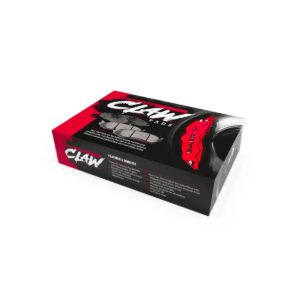
Baer Brakes Claw Brake Pads Rear 10/22/12-22 F250 Super Duty 2/4WD 13-22 F350 Super Duty Sgl/Dual Rear Wheels (Exc. 15-16 Wide Track Front Susp) 13-16 F450 Super Duty 8-Lug – D1691B
- Rear Claw brake pads for 2012–2022 Ford F-250 Super Duty, from 10/22/12, 2WD and 4WD
- Fits 2013–2022 Ford F-350 Super Duty with single or dual rear wheels, excluding 15–16 wide track front suspension
- Fits 2013–2016 Ford F-450 Super Duty with 8-lug wheels
- Part number D1691B (FMSI D1691), set of 4 pads with abutment clips and pad shims
SKU: D1691B-BKCZ -
Brakes & Steering, Disc Brake Kits & Components, Disc Brake Pads
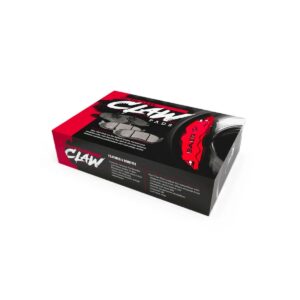
Baer Brakes Claw Brake Pads Rear 19-23 Ram 1500 New Body 22-23 Jeep Wagoneer And Grand Wagoneer – D2169
 Brakes & Steering, Disc Brake Kits & Components, Disc Brake Pads
Baer Brakes Claw Brake Pads Rear 19-23 Ram 1500 New Body 22-23 Jeep Wagoneer And Grand Wagoneer – D2169
- Rear Claw brake pads for 2022–2023 Jeep Grand Wagoneer and 2022–2023 Jeep Wagoneer
- Fits 2019–2023 Ram 1500 rear axle, new body style, 6-lug
- Part number D2169 (FMSI D2169), set of 4 pads
- Includes abutment clips, mounting hardware, pad shims and a mechanical wear sensor
SKU: D2169-BKCZ -
Brakes & Steering, Disc Brake Kits & Components, Disc Brake Pads
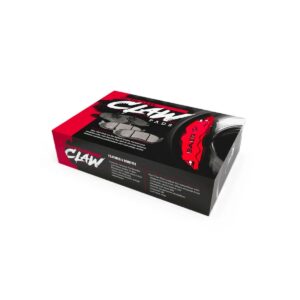
Baer Brakes Claw Brake Pads Front 19-23 Ram 1500 New Body 22-23 Jeep Wagoneer And Grand Wagoneer – D2179
 Brakes & Steering, Disc Brake Kits & Components, Disc Brake Pads
Baer Brakes Claw Brake Pads Front 19-23 Ram 1500 New Body 22-23 Jeep Wagoneer And Grand Wagoneer – D2179
- Baer Claw front brake pads for 2019-2023 Ram 1500 (new body style) and 2022-2023 Jeep Wagoneer and Grand Wagoneer
- Premium grade, slotted pads with mechanical wear sensor, shims and abutment clips
- Mounting hardware and brake lubricant are not included
- Part number D2179; UPC 90127866245
SKU: D2179-BKCZ -
Brakes & Steering, Disc Brake Kits & Components, Disc Brake Pads
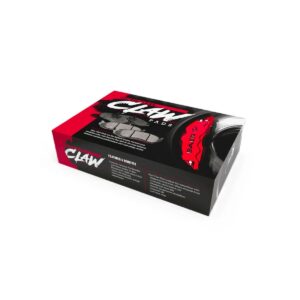
Baer Brakes Claw Brake Pads Front 21-24 Ford Bronco Exc. Raptor 19-21 Ranger – D2216
 Brakes & Steering, Disc Brake Kits & Components, Disc Brake Pads
Baer Brakes Claw Brake Pads Front 21-24 Ford Bronco Exc. Raptor 19-21 Ranger – D2216
- Baer Brakes D2216 front Claw ceramic brake pads, set of four
- Fitment list names 2021-2024 Ford Bronco (Raptor excluded) and 2019-2021 Ford Ranger
- Ceramic friction material, slotted, Premium grade, wear indicator attached
- Abutment clips, pad shims and a mechanical wear sensor included
SKU: D2216-BKCZ -
Brakes & Steering, Disc Brake Kits & Components, Disc Brake Pads
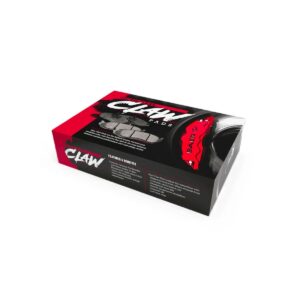
Baer Brakes Claw Brake Pads Front 19-25 Ram 2500/3500 Trucks – D2223
 Brakes & Steering, Disc Brake Kits & Components, Disc Brake Pads
Baer Brakes Claw Brake Pads Front 19-25 Ram 2500/3500 Trucks – D2223
- Front brake pad set for the 2019–2026 Ram 2500 and 3500 and 2019–2020 Ram 4000 front axle, per the manufacturer fitment list
- Baer Brakes part number D2223, FMSI D2223, four pads per set
- Premium high friction ceramic compound with low rotor wear and minimal dust
- Mechanical pad wear sensor and attached wear indicator
- Pad shims and abutment clips included; mounting hardware and brake lubricant not included
SKU: D2223-BKCZ -
Brakes & Steering, Disc Brake Kits & Components, Disc Brake Pads
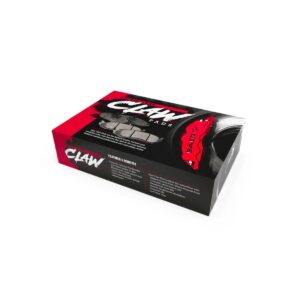
Baer Brakes Claw Brake Pads Rear 19-26 Ram 2500/3500 – D2225
 Brakes & Steering, Disc Brake Kits & Components, Disc Brake Pads
Baer Brakes Claw Brake Pads Rear 19-26 Ram 2500/3500 – D2225
- Rear brake pad set for the 2019–2025 Ram 2500 and 2019–2026 Ram 3500 rear axle, per the manufacturer fitment list
- Baer Brakes part number D2225, FMSI D2225, four pads per set
- Premium high friction ceramic compound for consistent wear, low rotor wear and minimal noise and dust
- Slotted pads with a mechanical pad wear sensor and attached wear indicator
- Stainless steel abutment hardware and pad shims included; mounting hardware and brake lubricant not included
SKU: D2225-BKCZ -
Brakes & Steering, Disc Brake Kits & Components, Disc Brake Pads
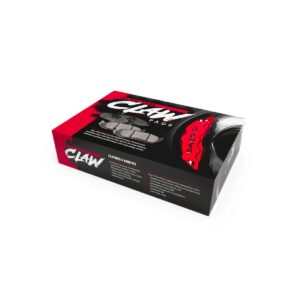
Baer Brakes Claw Brake Pads Rear 20-23 Jeep Gladiator JT 20-22 Jeep Wrangler W/Br3 Br4 Br5 Brake Code – D2233
 Brakes & Steering, Disc Brake Kits & Components, Disc Brake Pads
Baer Brakes Claw Brake Pads Rear 20-23 Jeep Gladiator JT 20-22 Jeep Wrangler W/Br3 Br4 Br5 Brake Code – D2233
- Baer Claw rear ceramic brake pads for 2020-2023 Jeep Gladiator and 2021-2022 Jeep Wrangler JL
- Wrangler entry applies to brake codes BR3, BR4 and BR5
- Mechanical wear sensor, slotted pads, shims and abutment clips included
- Part number D2233; UPC 90127866276
SKU: D2233-BKCZ -
Brakes & Steering, Disc Brake Kits & Components, Disc Brake Pads
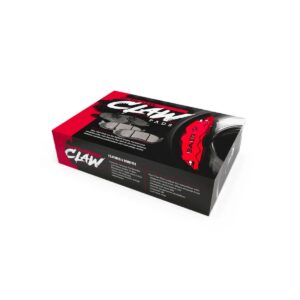
Baer Brakes Claw Brake Pads Rear 20-26 Chevrolet SilveradoGMC Sierra 2500/3500Hd Trucks – D2250
 Brakes & Steering, Disc Brake Kits & Components, Disc Brake Pads
Baer Brakes Claw Brake Pads Rear 20-26 Chevrolet SilveradoGMC Sierra 2500/3500Hd Trucks – D2250
- Baer Brakes D2250 Claw semi-metallic pads for 2020–2026 Chevrolet Silverado 2500 HD and GMC Sierra 2500 HD and 3500 HD
- Front and rear axle set with an electronic pad wear sensor
- Slotted pads with abutment clips and pad shims included
- Chevrolet Silverado 3500 HD is not among the named Chevrolet entries
SKU: D2250-BKCZ -
Brakes & Steering, Disc Brake Kits & Components, Disc Brake Pads
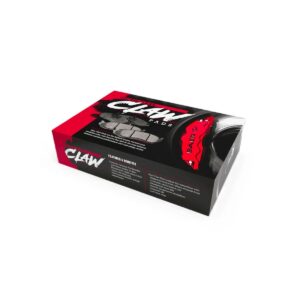
Baer Brakes Claw Brake Pads Front Various 21-Up Ford F150 F150 Raptor F-150 Lightning Bronco Expedition And Lincoln Navigator – D2382
 Brakes & Steering, Disc Brake Kits & Components, Disc Brake Pads
Baer Brakes Claw Brake Pads Front Various 21-Up Ford F150 F150 Raptor F-150 Lightning Bronco Expedition And Lincoln Navigator – D2382
- Baer Claw front semi-metallic brake pads for listed 2021-2026 Ford F-150, Bronco Raptor, Expedition and Lincoln Navigator applications
- Premium grade, slotted pads with abutment clips and pad shims included
- No pad wear sensor or attached wear indicator in this set
- Part number D2382; FMSI number D2383
SKU: D2382-BKCZ -
Brakes & Steering, Disc Brake Kits & Components, Disc Brake Pads
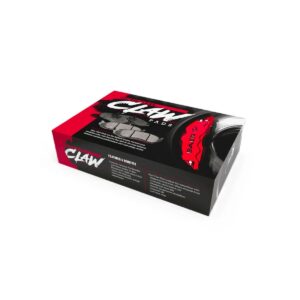
Baer Brakes Claw Brake Pads Rear Various 21-Up Ford F150 F150 Raptor F-150 Lightning Bronco Expedition And Lincoln Navigator – D2383
 Brakes & Steering, Disc Brake Kits & Components, Disc Brake Pads
Baer Brakes Claw Brake Pads Rear Various 21-Up Ford F150 F150 Raptor F-150 Lightning Bronco Expedition And Lincoln Navigator – D2383
- Baer Brakes D2383 rear Claw semi-metallic brake pads for the 2021–2026 F-150 family, Bronco, Expedition and Lincoln Navigator
- Four-pad set with abutment clips, mounting hardware and pad shims
- No pad wear sensor or wear indicator in this set
- F-150 Raptor Police Responder fitment depends on rotor diameter and drive type
SKU: D2383-BKCZ -
Brakes & Steering, Disc Brake Kits & Components, Disc Brake Pads
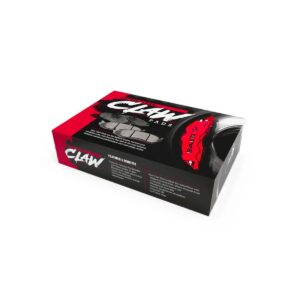
Baer Brakes Claw Brake Pads Rear 21-24 Ford Bronco Exc. Raptor – D2414
 Brakes & Steering, Disc Brake Kits & Components, Disc Brake Pads
Baer Brakes Claw Brake Pads Rear 21-24 Ford Bronco Exc. Raptor – D2414
- Baer Brakes D2414 Claw ceramic rear brake pads, set of four
- Fitment list names the 2021-2024 Ford Bronco, with Raptor models excluded
- Ceramic friction material, slotted pads and a wear indicator attached
- Abutment clips, pad shims, mounting hardware and a mechanical wear sensor included
SKU: D2414-BKCZ -
Brakes & Steering, Disc Brake Kits & Components, Disc Brake Pads
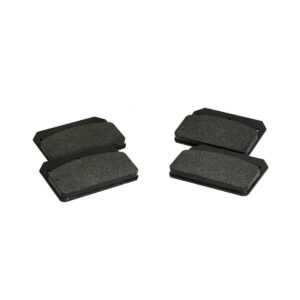
Baer Brakes Race S4 Disc Brake Pads For Select Baer S4 Systems – Hb100 Dr1 – DR1-N
 Brakes & Steering, Disc Brake Kits & Components, Disc Brake Pads
Baer Brakes Race S4 Disc Brake Pads For Select Baer S4 Systems – Hb100 Dr1 – DR1-N
- Baer Brakes DR1-N race brake pads for Baer S4 systems, sold as a four-pad kit
- High friction race compound aimed at track day and performance driving
- Semi-metallic friction material on a black backing plate, Premium grade
- Caliper hardware (8 pad abutments) and noise suppression hardware sold separately
- No vehicle fitment listed; series label references G-Body cars 78-88 with 11 Inch SS4+ front systems
SKU: DR1-N-BKCZ
What belongs in this category
This section groups the parts that stop and aim the vehicle. On the braking side you will find pads and rotors, complete disc kits, calipers, hoses and stainless lines, master cylinders, drum components, ABS parts, parking brake hardware and pedal parts. On the steering side there are tie rods, drag links, pitman arms, steering gearboxes, pumps, and hydraulic assist systems.
Upgrading brakes after a lift or tire change
Larger, heavier tires raise rotating mass and leverage on the brakes, so stopping distance can grow even though the brakes themselves are unchanged. Owners who tow or run tires several sizes over stock often upgrade pads and rotors first, then consider larger calipers or a big brake kit. Severe-duty pads, drilled and slotted rotors, and extended or stainless brake lines are common choices, each with tradeoffs in noise, dust and rotor wear.
- Replace pads and rotors as matched sets per axle.
- Replace hardware, shims and wear sensors when the kit includes them.
- Flush the fluid and bleed the system after opening any hydraulic line.
Steering parts after a lift
Lifting a vehicle changes steering geometry. Drag link flip kits, track bar brackets and heavier tie rods help restore proper angles and strength, and they matter more as tire size and trail abuse increase. Hydraulic assist or full hydraulic steering reduces effort with large tires and is a larger project, usually involving pumps, hoses and a cylinder.
Installation and safety
Brakes and steering are safety-critical systems. Unless you have the tools and experience, have them installed by a professional. Always torque fasteners to the manufacturer's specification, use new cotter pins and locking hardware where required, and have an alignment performed after replacing or modifying steering components. Bed in new pads following the pad maker's procedure and test the vehicle at low speed before driving it on the highway.
Confirming fitment
Many parts are specific to a model, axle, bolt pattern or rotor diameter. Confirm fitment for your exact year, make and model, check front versus rear, left versus right, and verify the details against the manufacturer's specifications. Part numbers on each product page make it easier to cross-check.
Inspection and maintenance
Check brake fluid level and color at every oil change, since fluid absorbs moisture over time and lowers its boiling point. Dark or milky fluid suggests it is due for a flush. Look at pad thickness through the caliper opening, and inspect rotors for deep grooves, lips at the edge or heat spots. Rubber brake hoses should be free of cracks, bulges and chafing, especially after a lift when hoses may be stretched.
For steering, grab each front wheel at the top and bottom and then at the sides while a helper watches the joints. Movement points to worn ball joints, wheel bearings or tie rod ends. Look for torn boots on tie rod ends, since dirt quickly destroys the joint. Hydraulic steering systems need periodic fluid checks and a look for leaks at every fitting. Address any looseness before it grows, because worn steering parts rarely fix themselves and loose steering is hazardous at speed.
Popular Brakes & Steering brands
- Power Stop (168)
- Crown Automotive (75)
- Omix-Ada (43)
- Moog (43)
- Skyjacker (38)
- Pro Comp Suspension (33)
- Rubicon Express (27)
- Trail Gear (22)
- PSC Steering (19)
- TeraFlex (18)
- EBC Brakes (17)
- Rugged Ridge (13)
Brakes & Steering FAQ
Do I need new brakes after installing bigger tires?
Not always, but larger tires add weight and leverage that can lengthen stopping distances. Many owners upgrade pads, rotors or brake lines to compensate. Inspect your current brakes and consider the vehicle's use, especially towing.
Are drilled and slotted rotors better?
They can help shed heat, gas and water, which some drivers value for towing and wet conditions. They may also wear pads faster and be noisier. Plain OE-style rotors remain a sound choice for normal driving.
What is a drag link flip kit?
It relocates the drag link mounting so the steering linkage sits at a better angle on a lifted vehicle. This can reduce bump steer. It is often paired with a track bar bracket, and an alignment afterward is important.
Should I replace brake parts in pairs?
Yes. Pads and rotors should be replaced as a set on each axle so braking stays even side to side. Calipers and hoses are usually also replaced in pairs for balanced performance.