
Performance Parts
Performance Parts gathers the bolt-on hardware that changes how a truck or Jeep breathes, fuels, sounds and reports its vitals. Exhaust systems and mufflers from MagnaFlow, Flowmaster and Borla sit alongside K&N intake and filter products, Auto Meter gauges, ignition parts and fuel system components.Open any product page to read the specifications and part numbers, then compare the products below.

This is the engine-side catalog: the parts that feed air and fuel in, carry exhaust out, light the spark and keep an eye on temperatures and pressures. For a trail rig, that work is about dependable low-speed power, clean air in dust and water, and gauges you can trust far from pavement.
Sort by system first. Intake and filter parts are the biggest group, followed by exhaust, mufflers and gauges. Fuel tanks, senders, hoses and filters cover the supply side, and ignition, belts, gaskets and oil filters cover routine engine upkeep. Tuners, modules and speedometer calibrators handle the electronic side, which matters after a regear or a jump in tire size.
Shop performance parts by system
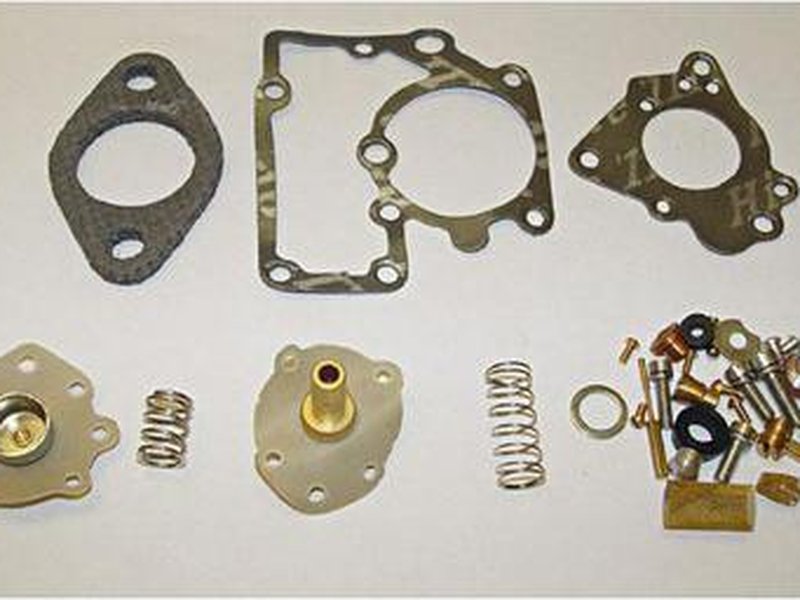
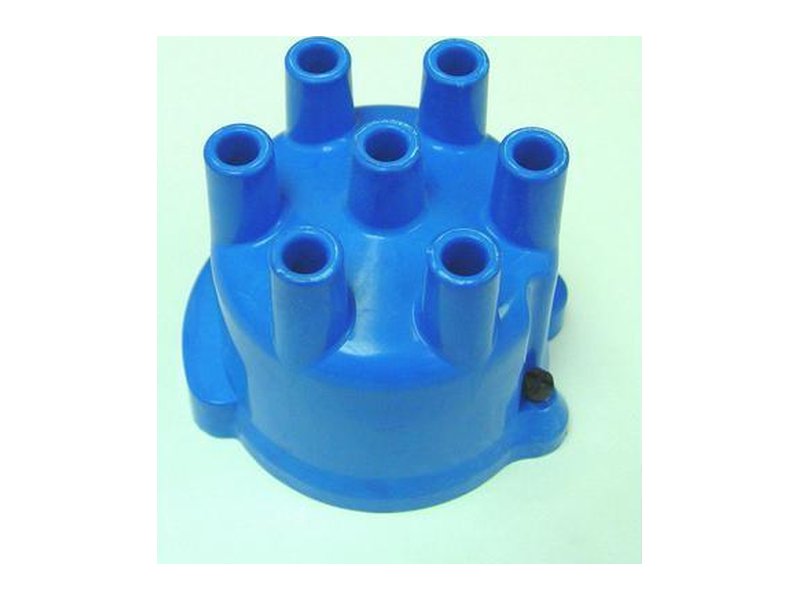
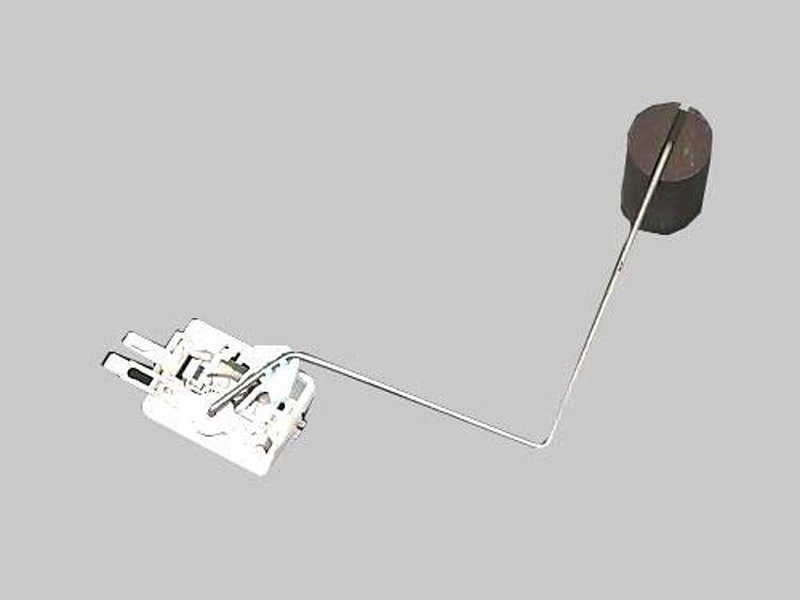
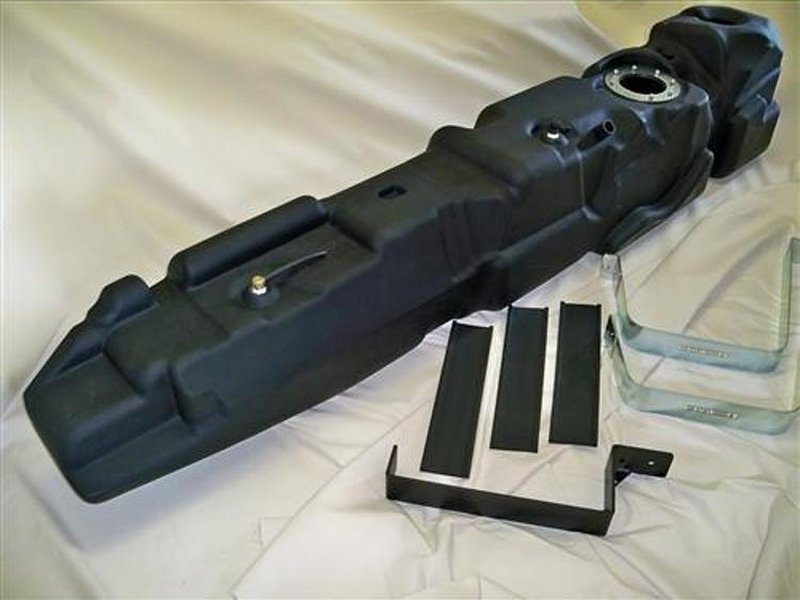
More part types (162)
- Diesel Exhaust Brakes 2
- Distributor Cap 4
- Distributor Cap & Rotor 2
- Distributor Drive Gear 1
- Distributor Ignition Pickup 3
- Distributor O-Ring Seal 1
- Distributor Rotor 7
- Distributors 8
- Drivetrain Mount Kit 4
- Elbow Fitting 1
- Engine Air Box 1
- Engine Camshaft & Valvetrain 5
- Engine Camshaft Position Sensor 1
- Engine Dress up and Valve Covers 3
- Engine Gaskets 11
- Engine Gaskets & Master Rebuild Kits 1
- Engine Mount Bracket 3
- Engine Mounts 7
- Engine Oil Dip Stick Handle 5
- Engine Oil Dipstick Tube 2
- Engine Oil Hole Plug 1
- Engine Oiling System 4
- Engine Oil Line 1
- Engine Oil Pan 5
- Engine Oil Pan Pickup 1
- Engine Rocker Arm Bridge 2
- Engine Rotating Assembly 9
- Engines & Assemblies 5
- Engine Sensors 7
- Exhaust Tips 4
- Exhaust Valve 2
- Expansion Plug 1
- Fittings, Lines & Hardware 3
- Fluids, Additives and Sealants 19
- Fuel Additive 8
- Fuel Filter 11
- Fuel Injection Pump 1
- Fuel Injector Nozzle Set 1
- Fuel Injectors 11
- Fuel Injectors, Pumps & Throttle Control 9
- Fuel Level Float 1
- Fuel Line 14
- Fuel Pressure Regulator Seals 1
- Fuel Pump Electric 3
- Fuel Pump Mechanical 6
- Fuel Pump Module Assembly 4
- Fuel Tank Grommet 3
- Fuel Tank Lock Ring 3
- Fuel Tank Nut Plates 2
- Fuel Tanks & Fuel Tank Hardware 7
- Fuel Tank Sending Unit Seals 10
- Fuel Tank Strap 16
- Fuel Tank Vapor Valves 5
- Gas Caps and Filler Assemblies 21
- Gauge Bezel 5
- Gauge Mounting & Gauge Accessories 14
- Gauge Pillars 18
- Gauge Pods 13
- Gauge Set 2
- Gear Oil 3
- Grease 5
- Harmonic Balancer 5
- Head Gaskets 4
- Hose End Fittings 4
- Idle Air Control Motor 3
- Idler Pulley 9
- Ignition Breaker Points and Condensers 4
- Ignition Coil Mounting Bracket 1
- Ignition Coils 10
- Ignition Coil Wire 1
- Ignition Control Module 3
- Ignition Kit 1
- Ignition Wire Harness 3
- Intake Air Temperature Sensor 3
- Intake Manifold 6
- Intake Manifold Gaskets 3
- Intake Valve 2
- Intercooler 6
- Intercooler Hose Clamps 1
- Intercooler Hoses 1
- Lifter 1
- Lift Pump Kits 7
- Light Bulb Cover 1
- Limited Slip Additive 3
- Liquid Transfer Tank 1
- Liquid Transfer Tank Fuel Pump 1
- Mass Air Flow Sensors 1
- Motor Oil 10
- Multi Purpose Electronic Gauge 3
- Oil Additives 5
- Oil Breather Filters 6
- Oil Filler Cap 4
- Oil Filter Adapter 1
- Oil Filter Adapter Seal 3
- Oil Pan Drain Plug 10
- Oil Pan Gasket Set 10
- Oil Pressure 9
- Oil Pump 4
- Oil Pump Gasket 1
- Oil Pump Repair Kit 2
- Oil Return Screen 1
- Oxygen Sensors 4
- PCV Valve 7
- Performance Modules 14
- Piston 3
- Piston Ring 3
- Positive Air Shutdown 1
- Pulleys, Belts & Accessories 5
- Push Rod 5
- Remote Fuel Filter 1
- Remote Throttle Control 2
- Rocker Arm 5
- Rocker Arm Nut 1
- Rocker Arm Pivot 1
- RPM Module Selector 1
- RPM Shift Light 1
- Serpentine Belt 13
- Serpentine Belt Tensioner 7
- Serpentine Belt Tensioner Pulley 1
- Spark Plug Boot Kit 1
- Spark Plugs 13
- Spark Plug Wire Divider 13
- Spark Plug Wire Sets 8
- Speedometer Cable 11
- Strap Band Clamp 1
- Supercharger System 3
- Tachometer Adapter 1
- Throttle Body Assemblies 2
- Throttle Body Gasket 1
- Throttle Cable Bracket 1
- Throttle Return Spring 3
- Timing Camshaft Gear 1
- Timing Chain Guide 1
- Timing Cover 2
- Timing Cover Gaskets 5
- Timing Set 6
- Tool Box/Liquid Transfer Tank Fuel Cap 1
- Transmission Fluid 4
- Tuner & Multi Gauge Accesories 9
- Tune Up Kit 1
- Tune Up Kit with Filters 1
- Turbo & Intercooler Upgrades 1
- Turbo Boost Control 1
- Turbocharger 3
- Turbocharger Waste Gate 2
- Turbo Compressor Wheel 1
- Turbo Down Pipe 7
- Turbo Pedestal 1
- Turbo Waste Gate X-Hook 1
- Valve Cover 7
- Valve Cover Bolts & Hold Downs 1
- Valve Cover Gaskets 14
- Valve Cover Grommet 10
- Valve Cover Nut 2
- Valve Cover Sets 4
- Valve Guide 3
- Valve Retainers 1
- Valve Spring 3
- Valve Stem Seal 5
- Vehicle Specific Performance Packages 6
- Water/Methanol Injection System 2
- Weld In AN Threaded Bungs 10
Popular engine and exhaust parts
-
Exhaust Spacers, Exhaust Systems, Headers, Pipes and Hardware, Performance Parts

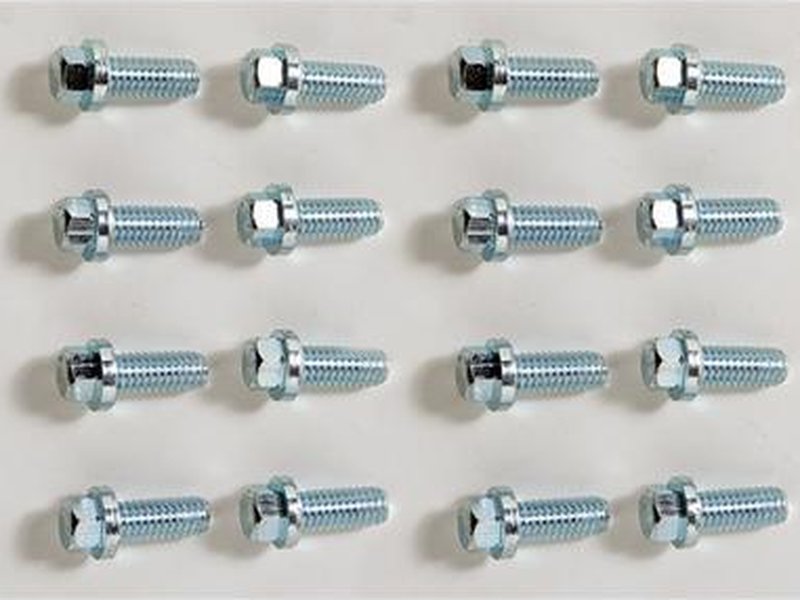
Pro Comp Exhaust Spacer Kit – 55746B
 Exhaust Spacers, Exhaust Systems, Headers, Pipes and Hardware, Performance Parts
Pro Comp Exhaust Spacer Kit – 55746B
- Pro Comp exhaust spacer kit for 2012–2018 Jeep Wrangler JK with a 3-inch or more suspension lift
- Driver and passenger side spacers with all necessary hardware
- Fits the 3.6-liter six-cylinder engine
- Part number EXP55746B
SKU: EXP55746B -
Catalytic Converters, Exhaust Systems, Headers, Pipes and Hardware, Performance Parts

MagnaFlow Universal California Catalytic Converter – 3391004
 Catalytic Converters, Exhaust Systems, Headers, Pipes and Hardware, Performance Parts
MagnaFlow Universal California Catalytic Converter – 3391004
- Universal California catalytic converter, part number M/F3391004
- 2 in. inlet and outlet, 11 in. length, 5 in. width
- Not air tube kit adaptable
- Designed for a broad range of 1975–1995 trucks and SUVs
SKU: M/F3391004 -
Catalytic Converters, Exhaust Systems, Headers, Pipes and Hardware, Performance Parts
MagnaFlow Universal California Catalytic Converter – 3391005
 Catalytic Converters, Exhaust Systems, Headers, Pipes and Hardware, Performance Parts
MagnaFlow Universal California Catalytic Converter – 3391005
- Universal California catalytic converter, part number M/F3391005
- 2.25 in. inlet and outlet, 11 in. length, 5 in. width
- Not air tube kit adaptable
- Fits 1975–1995 Chevrolet, Ford, GMC, Jeep and other models
SKU: M/F3391005 -
Performance Electronics, Performance Modules, Performance Parts
Edge Pulsar Inline Module – 22400
- Edge Pulsar Inline Module, part number 22400
- In-line tuner for 2017–2019 Chevrolet Silverado and GMC Sierra 2500 HD and 3500 HD
- Power added on the fly with no flash tuning, per Edge
- Direct fit for the trims named
SKU: EDG22400 -
Air Intake Snorkel, Intake Kits, Air Filter & Throttle Body Spacers, Performance Parts

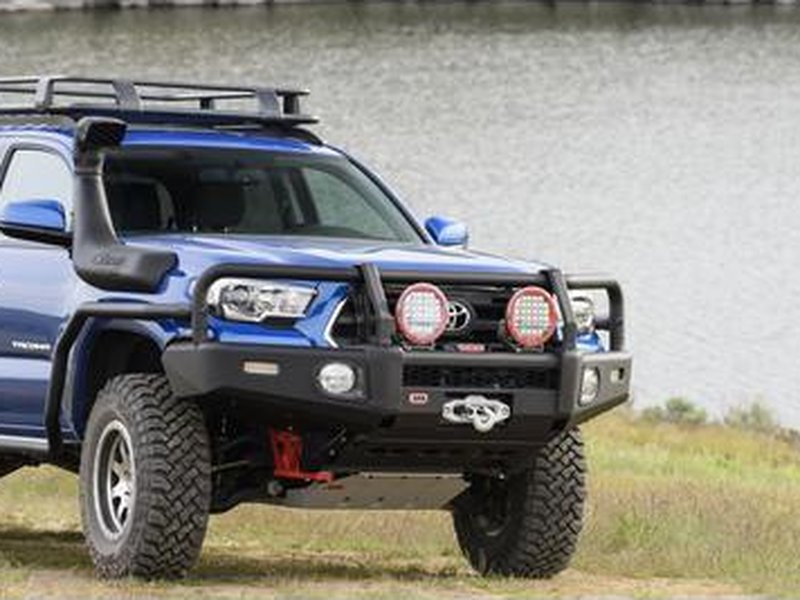
ARB Safari Snorkel Intake Kit – SS172HP
 Air Intake Snorkel, Intake Kits, Air Filter & Throttle Body Spacers, Performance Parts
ARB Safari Snorkel Intake Kit – SS172HP
- Fits 2016 to 2021 Toyota Tacoma, third generation
- ARMAX raised intake, ARB claims 10% higher CFM than other brand Tacoma snorkels
- Airflow checked on an airflow bench against the factory inlet
- Part number SS172HP
SKU: ARBSS172HP -
Electrical, Electrical Components, Performance Parts
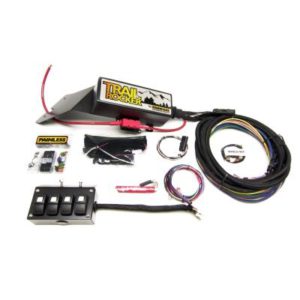
Painless Wiring Trail Rocker Under Dash Accessory Control System (4 Switch) – 57021
 Electrical, Electrical Components, Performance Parts
Painless Wiring Trail Rocker Under Dash Accessory Control System (4 Switch) – 57021
- Dash-mounted switch panel and power center for controlling accessories on CJ models
- Fits 1976–1983 CJ5, 1976–1986 CJ7 and 1981–1985 Scrambler
- Weatherproof power center with fuses, relays and prewired switches
- Dedicated winch wires; the Winch Control Add-on Kit 57150 is required for winch operation
SKU: PWP57021


Engine and exhaust reference
Quick references for the choices that come up most in this category: exhaust material, filter media, gauge type and the speedometer error that follows bigger tires.
Exhaust steel compared
| Aluminized | 409 stainless | 304 stainless | |
|---|---|---|---|
| Base metal | Mild steel, Al-Si coated | Ferritic stainless | Austenitic stainless |
| Corrosion resistance | Lowest | Good, may surface rust | Highest |
| Magnetic | Yes | Yes | Mostly no |
| Appearance with age | Dulls, can rust | Dulls to brown or gray | Keeps its shine longest |
| Best suited to | Dry climates, budget builds | Daily drivers | Salted roads, water crossings |
Gauges: mechanical vs electrical
| Mechanical | Electrical | |
|---|---|---|
| Signal | Oil line or capillary tube to gauge | Sender resistance or voltage |
| Sender needed | No | Yes, matched to the gauge |
| Install | Route a line through the firewall | Wire power, ground and signal |
| Common face sizes | 2-1/16" (52 mm), 2-5/8" (67 mm) | 2-1/16" (52 mm), 2-5/8" (67 mm) |
Air filter media
| Oiled cotton | Dry synthetic | Paper (OE style) | |
|---|---|---|---|
| Service | Wash and re-oil | Wash, no oil | Replace |
| Reusable | Yes | Yes | No |
| Common mistake | Over-oiling the element | Reinstalling while wet | Running it past its interval |
| Dusty trail tip | Check after every dusty run | Check after every dusty run | Carry a spare |
Speedometer error after a tire change
| Actual mph at 60 shown | Error | |
|---|---|---|
| 31" to 33" | About 64 | About 6% low |
| 31" to 35" | About 68 | About 13% low |
| 33" to 35" | About 64 | About 6% low |
| 33" to 37" | About 67 | About 12% low |
Examples from listed parts
| Crown 5357373K fuel sender, empty | 73 ohms |
|---|---|
| Crown 5357373K fuel sender, half | 23 ohms |
| Crown 5357373K fuel sender, full | 10 ohms |
| Dorman 090-058 drain plug thread | 1/2"-20, 5/8" head |
| Rubicon Express RE9103 motor mount lift | 1" engine lift |
| Pro Comp 55746B exhaust spacers | JK 3.6L with a 3"+ lift |
| Crown 83502961 gas tank (2.5L) | 15 gallons |
Sender resistance, thread size and fitment vary by part number. Check the listing for your exact engine before ordering, and look for a CARB EO number if you register the vehicle in California.
All Performance Parts 2,123 parts
-
Air Intake Kits
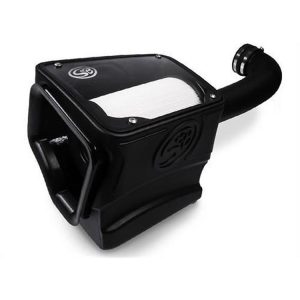
S&B Filters Cold Air Intake (Dry Filter) – 75-5116D
- Dry extendable filter intake for 2017–2018 Chevrolet Silverado 1500 and GMC Sierra 1500
- Large airbox with billet-machined aluminum MAF mounting adapter
- 37.43% more airflow than stock and 99.74% efficient at 419 CFM
- Inlet tube included
SKU: SNB75-5116D -
Valve Cover Grommet
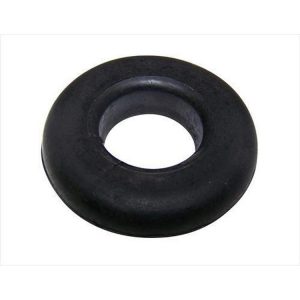
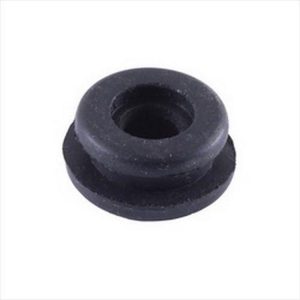
Omix-ADA Grommet for PCV Valve – 17402.05
- Omix-ADA 17402.05 PCV valve grommet for 8 cylinder 304, 360, 390 and 401 engines
- Fits Jeep SJ, CJ and J-series vehicles from 1973 to 1991
- Direct replacement design built to original specifications
- Backed by a limited five year warranty.
SKU: OAI17402.05 -
-
Electrical, Electrical Components, Performance Parts
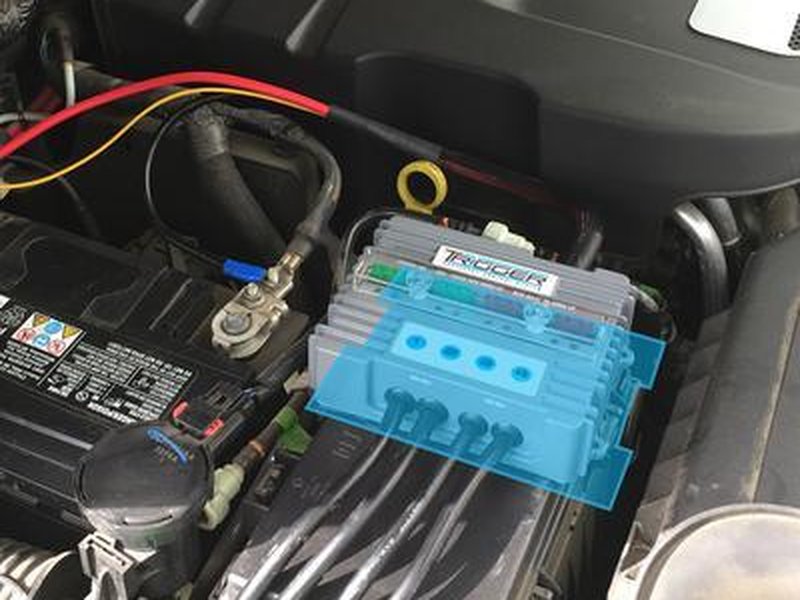
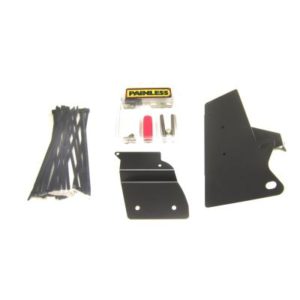
Trail Rocker Genesis Bracket – 57200
- Painless Wiring Trail Rocker Genesis bracket, part PWP57200
- Mounting option for the Trail Rocker alongside a Genesis Dual Battery Kit
- Fits JK Jeeps (2007–2018 Jeep Wrangler JK)
- Full-color instructions included
SKU: PWP57200 -
Battery & Battery Accessories, Electrical, Performance Parts

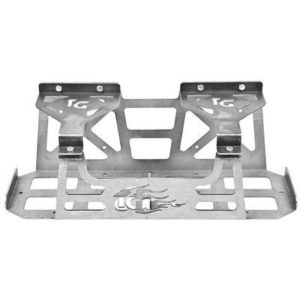
Trail Gear TG Side By Side Battery Box Kit – 300384-KIT
 Battery & Battery Accessories, Electrical, Performance Parts
Trail Gear TG Side By Side Battery Box Kit – 300384-KIT
- Trail Gear TG side-by-side battery box kit, part number 300384-KIT
- Holds any Optima 34/78 group battery
- 12 gauge steel, welded or bolted in place
- Two boxes bolt together for a four battery holder
- Flat back design for mounting behind the seat or cab
SKU: TGI300384-KIT -
Exhaust Spacers, Exhaust Systems, Headers, Pipes and Hardware, Performance Parts

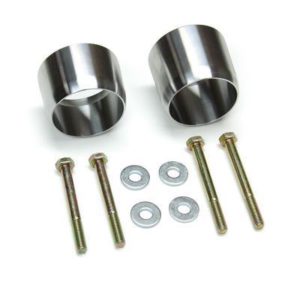
TeraFlex Exhaust Spacer Kit – 2610000
 Exhaust Spacers, Exhaust Systems, Headers, Pipes and Hardware, Performance Parts
TeraFlex Exhaust Spacer Kit – 2610000
- TeraFlex exhaust spacer kit, part number TER2610000
- For 2012 model Jeep Wrangler JK with TeraFlex suspension kits of 3 or more inches of lift
- Moves the exhaust cross pipe rearward to clear the front driveshaft
- Installs between the head pipe flanges and the cross pipe flanges
- Check the contents and hardware against the package before installing.
SKU: TER2610000 -
Crankcase Vent Tube, Fuel and Oil Filters, Performance Parts
TeraFlex Crankcase Vent System Kit – 4839200
 Crankcase Vent Tube, Fuel and Oil Filters, Performance Parts
TeraFlex Crankcase Vent System Kit – 4839200
- TeraFlex crankcase vent system kit, part number TER4839200
- Adds a front PCV valve through the existing valve cover oil fill
- Fits 2018–2022 Jeep Wrangler JL and 2020–2022 Gladiator JT with the 3.6-liter Pentastar V-6
- Includes oil fill cap adapter, PCV valve, hoses and necessary hardware
SKU: TER4839200 -
Computer Programmers, Performance Electronics, Performance Parts

Superchips Wrangler JL FlashCal F5 – 3571-JL
 Computer Programmers, Performance Electronics, Performance Parts
Superchips Wrangler JL FlashCal F5 – 3571-JL
- Fits the 2018–2022 Jeep Wrangler (JL), 2-door and 4-door models
- Superchips Wrangler JL FlashCal F5, part number 3571-JL
- Tire and gear calibration with true speed readout
- TPMS on and off control, settings selectable on the fly
- Monitor included
SKU: SCI3571-JL -
Computer Programmers, Performance Electronics, Performance Parts
Superchips TrailCal – 41051-JT
- Superchips TrailCal, part number SCI41051-JT, for the 2020–2022 Jeep Gladiator (JT)
- Tire and gear settings, plus speedometer and shift pattern correction for JT owners
- 5 inch color touchscreen display on a dedicated device
- Auto start/stop management and pitch and roll observation
SKU: SCI41051-JT







What this category covers
Performance Parts is a broad grouping, and the subcategories show how wide it runs. Exhaust headers, pipes, cat-back systems and mufflers handle exhaust flow. Intake kits, air filters and throttle body spacers affect how air reaches the engine. Gauges and gauge pods monitor what the engine is doing, while spark plugs, ignition coils and plug wire parts support combustion.
Fuel system items such as replacement tanks, sending units, fuel lines and filters are here too, along with maintenance products like oil filters, serpentine belts, valve cover gaskets and additives.
Setting realistic expectations
Bolt-on parts usually deliver modest changes. A freer-flowing exhaust or intake may change sound and throttle feel more than it changes measured output, and gains depend on the engine, the tune and the rest of the system. Treat any manufacturer power claim as a figure to read in context, and be skeptical of anything that promises large gains from a single part.
For trail vehicles, low-speed torque, reliability and ground clearance often matter more than peak horsepower. A muffler that tucks up out of harm's way can be a better choice than a larger one that hangs low.
How to choose
- Match the part to the exact engine, year and model, since exhaust routing and sensor locations change between generations.
- Check whether a product is described as direct fit or requires cutting, welding or modification.
- Look at material, such as aluminized or stainless steel for exhaust parts, when corrosion resistance matters.
- Confirm emissions status. Parts that alter emissions equipment may not be legal for road use in every state, so check local regulations.
- Compare gauge face size, sender type and electrical or mechanical operation before ordering a gauge.
Installation notes
Many parts in this category are simple swaps with common hand tools, but exhaust work involves heat, rust-seized hardware and heavy components, so support the system properly and replace gaskets and clamps. Disconnect the battery before electrical or ignition work, and use the torque values from the factory service manual for spark plugs and fasteners.
Fuel system work calls for care. Relieve pressure, avoid ignition sources and consider professional installation for tanks and high-pressure lines. After changing sensors, intakes or tuning modules, watch for check engine lights and confirm everything reads normally.
Further checks and care
Confirming fitment and reading specifications
Performance parts are rarely universal. Write down the engine size, fuel type, transmission and model year, and compare them with the application list in each product description. Part numbers are the most reliable reference, since two similar-looking mufflers or modules can differ in inlet size, sensor ports or connector style. If a product mentions California or federal emissions status, read that note closely, and keep the vehicle's original parts if you may need to return to stock.
Maintenance and inspection
Performance hardware needs periodic checks. Inspect exhaust hangers, clamps and flange bolts for looseness or cracks, and look for soot trails that signal leaks. Replace air filters on the interval the maker recommends, and use the correct cleaning kit if the filter is reusable, because too much oil can contaminate airflow sensors. Watch gauge readings after any change, and investigate unusual temperatures, pressures or fuel trims promptly instead of assuming the new part is at fault.
Popular Performance Parts brands
- Crown Automotive (362)
- K&N Filter (345)
- Omix-Ada (249)
- MagnaFlow Exhaust (104)
- Afe Power (95)
- AIRAID (95)
- Flowmaster Exhaust (80)
- S&B Filters (57)
- Banks Power (51)
- Auto Meter (48)
- Borla (46)
- Lucas Oil (44)
Performance Parts FAQ
Will a performance part void my vehicle warranty?
It can depend on the part and how it relates to a failure. Warranty rules vary by manufacturer and region, so read your warranty documents and ask the dealer or manufacturer before modifying a vehicle that is still covered.
Are performance exhaust and intake parts street legal?
Not always. Anything affecting catalytic converters, oxygen sensors or other emissions equipment may be restricted, and rules differ by state. Check the product notes for compliance information and verify local regulations before installing.
Do I need a tune after installing these parts?
Simple filters and cat-back exhausts often need no tune. Larger changes, such as modules, throttle body or fuel system modifications, may benefit from calibration. Follow the instructions published by the part's manufacturer for your engine.