Electrical
Electrical covers the wiring, switching and starting components of an off-road build or a restoration. Browse switch pods, rocker and key switches, fuse blocks, driving light wiring kits, ignition switches and starters from SPOD, Painless Wiring, Rugged Ridge, Crown Automotive and Omix-Ada. The subcategories narrow things down by part type, and each product page lists part numbers and fitment and compare the products below.

Lights, compressors, winches and fridges all need clean power and a switch you can reach from the driver's seat. This section holds the switch pods, switches, fuse blocks and wiring hardware for adding accessories, plus starters, ignition parts and dash lamps for keeping older Jeeps running.
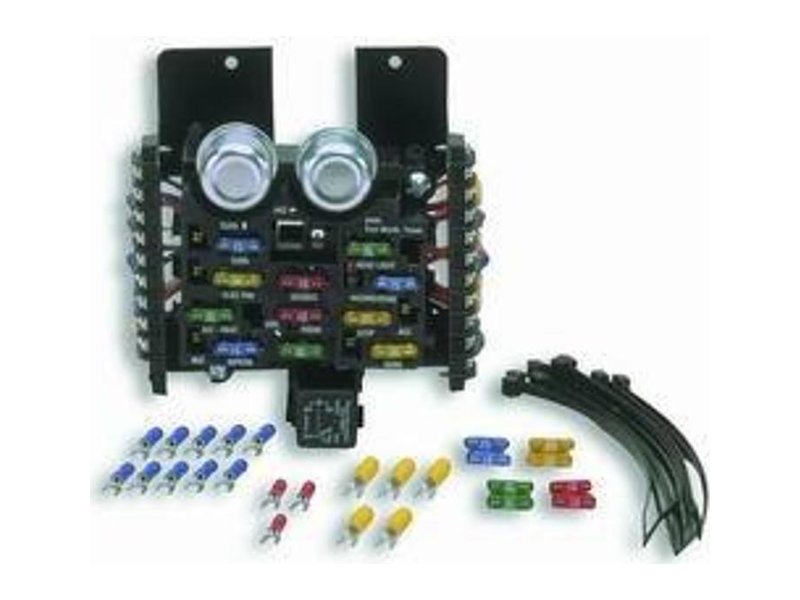
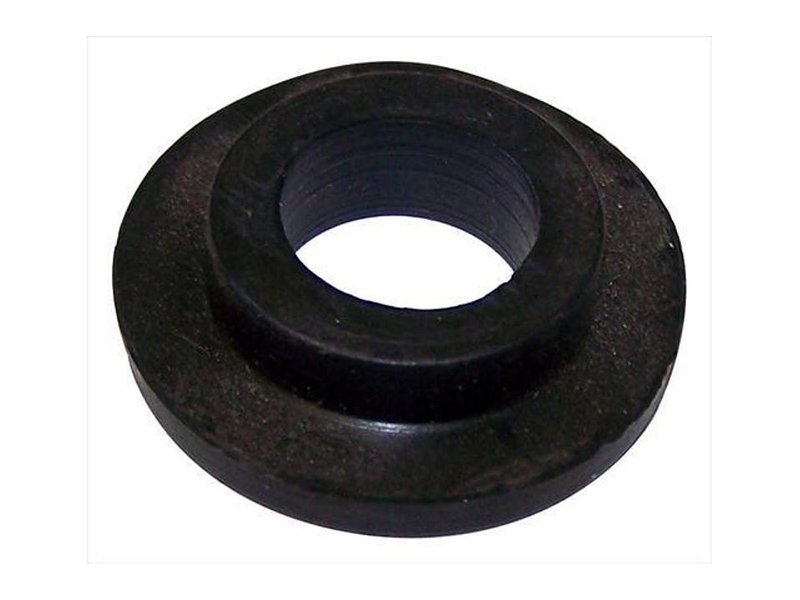
Switch pods and individual switches are the largest groups, most of them made for the Wrangler dash and A-pillar. Fuse blocks, connectors, sleeving and grommets finish a new circuit properly. Starters, solenoids, ignition cylinders and generator bushings are listed by engine and year, from the 134 four-cylinder in early CJs to the 3.8L in the JK.
Shop electrical parts by type


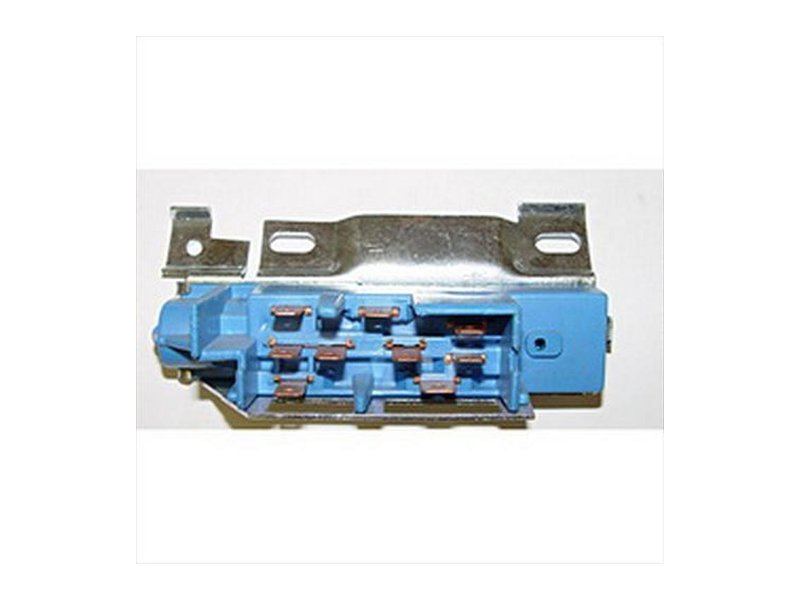
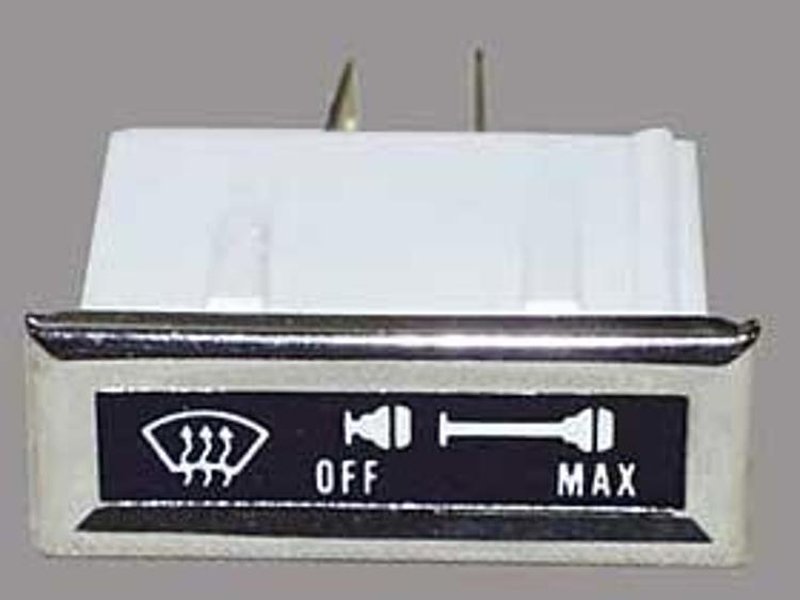

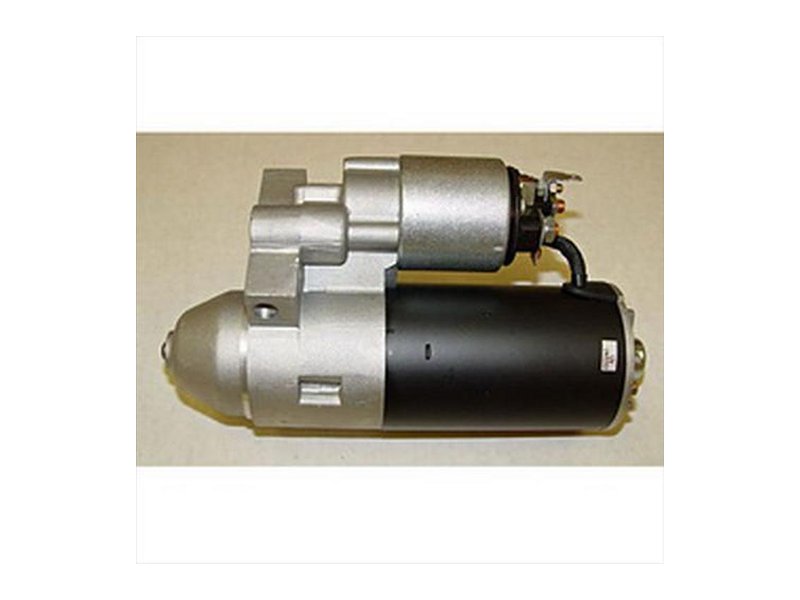




More part types (2)
Popular electrical parts
-
Switch Pods
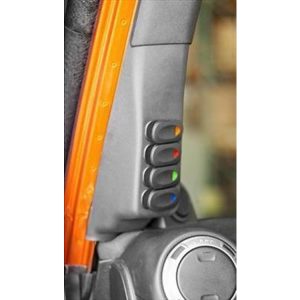
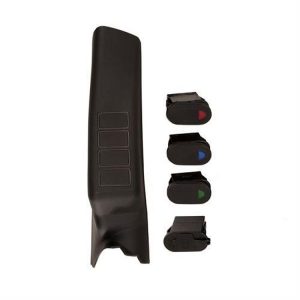
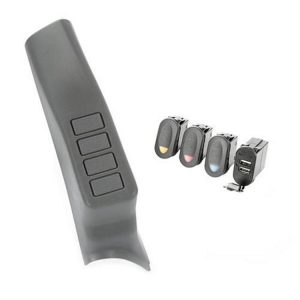
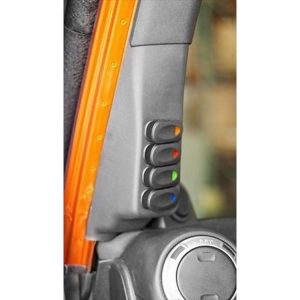
Daystar A-Pillar Switch Pod with Rocker Switches – KJ71056BK
- A-pillar switch pod for the 2007–2018 Jeep Wrangler JK
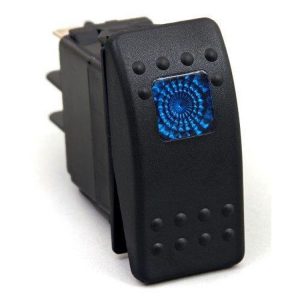
- Includes four 20-amp, 3-pole rocker switches in blue, green, amber and red
- Direct replacement for the factory A-pillar, easy install
- Daystar part KJ71056BK, UPC 618089005191
SKU: DAYKJ71056BK -
-
Switch Pods
Daystar Dash Vent Switch Panel (Black) – KJ71032
- Black OE texture
- Easy installation
- Replaces either HVAC vent on the center of the dash
- Allows airflow and a mounting point for one or two switches for electrical accessories
- Rocker switches sold separately
- Limited Lifetime Warranty
SKU: DAYKJ71032 -


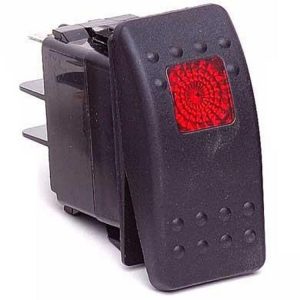
Switch, fuse and starter reference
Quick references for mounting switches, reading blade fuses and matching a starter to its engine. Wire and fuse sizing is covered in the FAQ below.
Blade fuse colors (ATO/ATC)
| 2 A | Gray |
|---|---|
| 3 A | Violet |
| 5 A | Tan |
| 7.5 A | Brown |
| 10 A | Red |
| 15 A | Blue |
| 20 A | Yellow |
| 25 A | Clear |
| 30 A | Green |
Finishing a new accessory circuit
- Weatherpack connectors seal each terminal against water and mud
- Split braided sleeving (e.g. 3/4" x 6') bundles and protects a harness
- A firewall boot or grommet stops chafing where wires pass through metal
- An ignition-hot fuse block powers accessories only with the key on
- Fuse circuit taps add a fused feed from an existing fuse slot
Where switches mount in a Wrangler
| Holds | Notes | |
|---|---|---|
| A-pillar pod (JK 2007–2018) | Up to 4 rockers | Replaces the factory A-pillar trim |
| Dash vent panel | 1 or 2 rockers | Replaces a center HVAC vent, keeps airflow |
| Lower switch panel (JK 2011–2017) | 4 rockers | Adds dual USB charging ports |
| Lower dash panel (KJ71034BK) | Rocker switches | Automatic transmission only |
Starting parts by engine
| 2.5L fuel injected four | 1987–1993 Cherokee XJ, Wrangler YJ |
|---|---|
| 4.0L six | 2003–2006 Wrangler TJ, 2003–2004 WJ |
| 3.8L V6, manual trans | 2007–2010 Wrangler JK |
| 134 four (L-head, F-head) | Early CJ and Willys: 129-tooth ring gear |
Headlight and dual battery notes
- Jeep JK headlights use an H13 connector; KC adapters convert it to H4
- KC lamp harness adds one or two lights to an existing switched circuit
- Dual battery kits keep a second battery charged while protecting the starter battery
- Match the battery relay or isolator rating to your alternator output
Disconnect the negative battery cable before replacing a starter, solenoid or ignition switch, and confirm your engine and transmission against the listing.
All Electrical 177 parts
-
Toggle Switch Panel
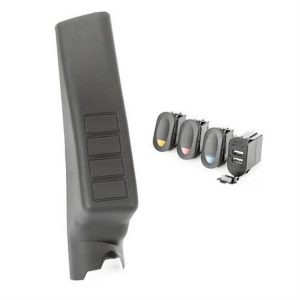
Lower Switch Panel Kit
- Replaces the lower center dash panel on 2011 to 2017 Jeep Wrangler JK
- Includes four 2-position rocker switches in amber, green, red and blue
- Dual USB charging port included
- Impact-resistant thermoplastic that matches the factory dash
- Fits manual and automatic transmissions
SKU: RUG17235.84




Parts you will find here
This category groups electrical components that either control accessories or keep an engine running. Typical products include switch pods and control systems that organize accessories, rocker and key switches, fuse blocks, light wiring kits, ignition switches and replacement starters. Browsing the subcategories is the fastest way to find a part type, and product pages give the part number and a vehicle note where it applies.
Accessory control and switching
- Switch panels and pods: collect the controls for lights, compressors and other add-ons into one panel.
- Individual switches: rocker, toggle and key switches. A 16 mm round mounting hole is typical for some flush-mount switches, so check panel cutout dimensions.
- Relays and trigger systems: let a small switch control a high-current load safely.
- Light wiring kits: bundle a harness, relay and switch for fog or driving lights.
Fuses and protection
Every accessory circuit needs a fuse or breaker sized to the wire, not to the device. A fuse block gives accessories a protected power source with labeled positions. Use wire gauge that suits the current and length of the run, since undersized wire heats up and drops voltage. Keep fuses close to the power source, and use grommets and loom where wires pass through metal or cross hot surfaces.
Starting and ignition parts
Starters and ignition switches are matched to the engine and model year. A starter listing may be for a specific engine, such as a 4.0L six-cylinder. Verify the engine, transmission type and mounting configuration before choosing a part number. A slow crank or clicking sound can also come from a weak battery, corroded cables or a bad ground, so test those before replacing a starter.
Fitment and installation
Confirm fitment for your exact year, make, model and engine, and compare the part number with your existing component where possible. Always disconnect the battery before working on the electrical system, use a multimeter to check circuits and avoid overloading circuits. Keep connections clean, crimped and sealed against moisture. If you are not comfortable with automotive wiring, consult a qualified installer, since electrical faults can cause fires.
Common mistakes and troubleshooting
Most electrical problems trace back to connections rather than parts. A corroded ground strap, a loose terminal or a poorly crimped connector can cause dim lights, intermittent switches and no-start conditions that look like part failures. Clean and tighten the basics first.
- Use a multimeter. Check battery voltage (a healthy resting battery is around 12.6 volts) and voltage drop across suspicious cables.
- Do not use household wire or tape. Use automotive-rated wire with insulation suited to heat and oil.
- Avoid tapping into factory wiring with cheap splice connectors for high-current loads.
- Label the circuits and keep a simple wiring diagram of what you add.
- Protect connections with dielectric grease or sealed connectors in damp areas.
- Replace damaged or brittle insulation on older vehicles before it causes a short.
When buying parts for an older vehicle, compare the connector shape and the number of terminals with your existing part, because small plug differences are common between model years.
Popular Electrical brands
- Painless Wiring (42)
- SPOD (42)
- Rugged Ridge (32)
- Crown Automotive (29)
- Omix-Ada (17)
- Daystar (13)
- ARB 4x4 Accessories (10)
- Advanced Accessory Concepts (8)
- Oracle Lighting (6)
- KC HiLites (3)
- Powermaster (3)
- Rigid Industries (3)
Electrical FAQ
What is the difference between a switch pod and a fuse block?
A switch pod holds the controls for accessories, while a fuse block distributes protected power to circuits. Many systems combine both functions, and either may be paired with relays for high-current loads.
How do I choose wire and fuse sizes for accessories?
Base the fuse on the wire's current rating and protect the circuit, then size wire gauge for the load and the run length. Check the accessory's current draw and the manufacturer's recommended wiring.
Why does my vehicle click but not start?
Common causes are a weak battery, corroded or loose battery cables, bad grounds or a failing starter or solenoid. Test the battery and connections first before replacing a starter.
Will a starter fit any engine in my model?
No. Starters are matched to the engine, transmission and mounting. Confirm fitment for your exact year, make, model and engine, and compare the part number or mounting with your existing starter.