



Skid plates explained: what each one protects, steel vs aluminum vs UHMW, thickness, belly pans, drain access, heat, lift kit effects and what to…
Skid Plates
Showing 49–60 of 149 resultsSorted by popularity
-
Skid Plates
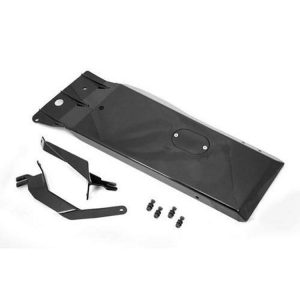
TeraFlex Heavy-Duty Transmission Skid Plate (Black) – 4607100
- Heavy-duty transmission skid for 1997-2006 Wranglers, manual and automatic
- 3/16-inch laser cut steel with black powder coat
- Attaches to the TeraFlex BellyUp skid plate
- Must be used with the BellyUp and the TeraFlex HD oil pan skid
SKU: TER4607100 -
Skid Plates
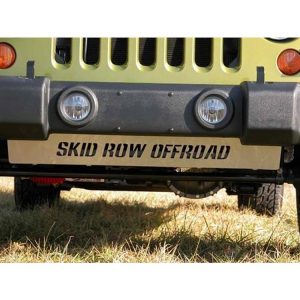
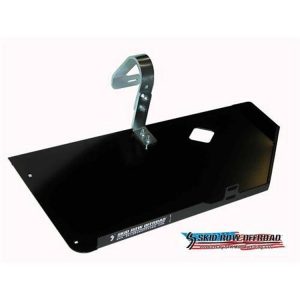
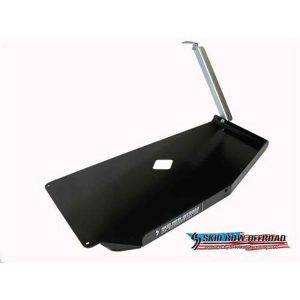
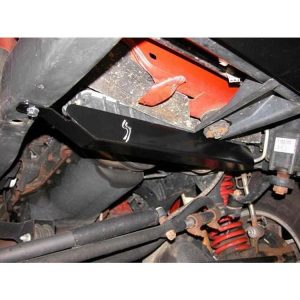
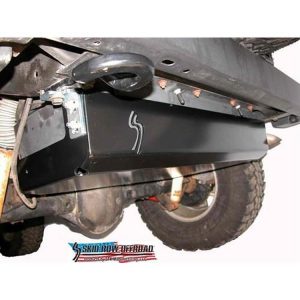
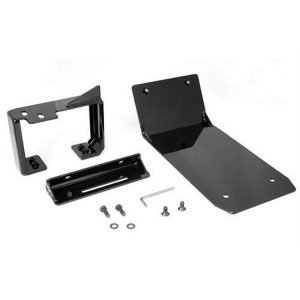
Skid Row Off Road Evap Canister Guard (Black) – JP-5007
- Skid Row Off Road JP-5007 evaporative canister guard, black powder coat
- Fits 2- and 4-door Jeep Wrangler models, excluding 2012–2016 JK
- 3/16-inch steel plate with a 1/4-inch thick mounting bracket
- No drilling required, with all hardware included
SKU: SFKJP-5007 -
-
Skid Plates
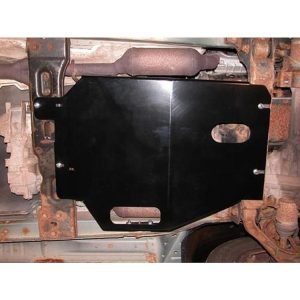
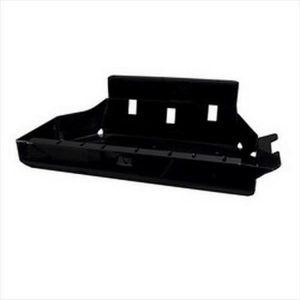
Skid Row Off Road Engine Skid Plate (Black) – JP-4001
- Engine and transmission skid for Jeep Liberty KJ, including CRD diesel models
- 3/16-inch plate steel, black powder coat, made in the USA
- Protects the transmission and oil pan, and smooths the underside for obstacles
- Oil filter changes can be done with the skid installed
- Fits 2002-2007 Jeep Liberty KJ
SKU: SFKJP-4001 -
Skid Plates
Skid Row Off Road Engine Skid Plate (Black) – JP-2001
- Engine skid for Cherokee XJ and Comanche with the 4.0L engine, automatic or manual
- 3/16-inch laser cut and CNC folded steel, black powder coat
- Mounts in three locations and clears most aftermarket headers
- Requires 14 inches of measurement, one or two holes drilled
- Not for long arm suspensions
SKU: SFKJP-2001 -
-
Skid Plates
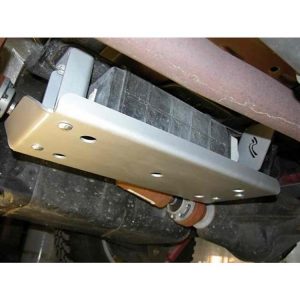
Skid Row Off Road Radiator Guard (Black) – JP-0015
- Skid Row Off Road JP-0015 radiator guard, black powder coat
- Fits 2004–2006 Jeep Wrangler (LJ) Unlimited and Unlimited Rubicon, and 1997–2006 Jeep Wrangler (TJ) trims
- 1/8-inch thick steel guard for the lower radiator tank
- Drilling of one hole required
SKU: SFKJP-0015 -
-
Skid Plates
Rugged Ridge Jeep Wrangler Engine and Transmission Skid Plate (Black) – 18003.51
- Engine and transmission skid for lifted Jeep JK with 3.6L engine
- 3/16-inch black powder coated steel with rust resistant E-coat
- Protects engine and transmission on Dana 30 and Dana 44 front axles
- 2.5-inch lift recommended to prevent driveshaft rubbing
- Bolt-on at existing frame mounting locations
SKU: RUG18003.51 -
Skid Plates
Evaporative Canister Skid Plate
- Fits 2012 to 2016 Jeep Wrangler JK, Rubicon and Unlimited
- For 2-door and 4-door models
- 3/16-inch black powder-coated steel
- Mounts to existing body holes with factory hardware
- Moves impact loads away from the evaporative canister to the frame
SKU: RUG18003.42 -
Skid Plates
Rugged Ridge Gas Tank Skid Plate (Black) – 18003.21
- Fits 1987 to 1995 Jeep Wrangler YJ models
- 3/16-inch thick steel with an E-coat and black powder coat
- Works with 15- and 20-gallon gas tanks
- Bolts to existing mounting locations with no cutting or drilling
- Replaces the factory fuel tank skid plate
SKU: RUG18003.21
What skid plates protect
The parts most exposed on a trail are rarely the strongest. Skid plates shield the components that cost the most to replace or that leave you stranded when damaged. Common targets include the oil pan, transmission, transfer case, fuel tank, differential covers, steering box and the axle ends of lower control arms. Some plates are single-purpose, while others bolt together as a full underbody set.
Steel, aluminum or stainless
- Steel is strong, repairable and usually the most affordable, though heavy and prone to rust if the coating is scratched.
- Aluminum weighs much less, which helps unsprung weight and handling, but gouges more easily and is harder to weld in the field.
- Stainless resists corrosion and slides over rock well but is generally priced higher.
Plate thickness matters. A thicker gauge resists denting but adds weight, so match the thickness to the terrain. Rock crawling calls for more protection than forest roads.
Design points to compare
- Coverage: does it protect the part and its surrounding mounts and linkages?
- Mounting: bolt-on plates use existing holes, and some require drilling or welding.
- Shape: sloped, smooth bottoms let rocks slide; flat ones can catch.
- Access: drain plugs, fill ports and filter access should remain usable.
- Finish: powder coat, bare or stainless.
Fitment and clearance
Skid plates are vehicle-specific. Differences in model year, engine, transfer case or wheelbase change the mounting points, so confirm fitment for your exact year, make, model and drivetrain. Note whether the part is for the front or rear, two-door or four-door versions, or a specific component like a control arm skid. Plates add thickness underneath, so check that they do not lower ground clearance more than expected.
Installation notes
Most bolt-on plates install with hand tools and a jack or lift. Use thread locker where the instructions call for it and torque bolts to the specified values. Recheck bolts after the first trail run, because vibration and impacts can loosen them. Heavy plates are awkward to hold overhead, so a transmission jack or a helper makes the job safer.
Maintenance and mistakes to avoid
After each trail outing, inspect plates for bent edges, cracked welds and sheared bolts. A dented plate that now touches the component it protects can transmit impacts into it, so straighten or replace it. Rinse mud from around the mounts, because trapped dirt holds moisture against the frame and speeds up rust.
- Do not tighten bolts beyond the instructions, as stripped threads in frame brackets are hard to repair.
- Do not block airflow to a transmission or transfer case in hot climates. Some designs include vents or open sections for that reason.
- Skid plates are not a substitute for recovery points or sound driving. Pick a line that avoids hard strikes whenever you can.
- Check your drain plug access before buying, since a plate that needs removal for every oil change becomes a chore.
Pairs of components are often protected together. For example, many owners pair a transfer case plate with rock sliders and control arm skids so one hit does not undo the other protection.
Related guides
- Skid Plates Explained: Transfer Case, Transmission, Tank
- The Best Modern 4X4s for Overland Travel
Twelve current 4X4s judged the overland way: payload, range, clearance, lockers, roof load and aftermarket support, with the numbers from each maker.
- Wrangler vs Bronco vs 4Runner: The Engineering Compared
Wrangler, Bronco and 4Runner compared on frames, axles, transfer cases, crawl ratios, lockers, travel and angles, using each maker's own spec sheets.


Popular Skid Plates brands
- Rubicon Express (17)
- Skid Row Off Road (15)
- Poison Spyder Customs (15)
- Artec Industries (10)
- Rugged Ridge (10)
- Pro Comp Suspension (9)
- Rock Hard 4x4 Parts (7)
- ARB 4x4 Accessories (7)
- JcrOffroad (6)
- TeraFlex (6)
- Rancho (6)
- Fab Fours (6)
Skid Plates FAQ
Do I need skid plates for light trail use?
Not always, but they help on rocky or rutted trails where the oil pan, transfer case or fuel tank could strike obstacles. If you only drive graded roads, factory protection may be enough.
Is aluminum or steel better for skid plates?
Steel is stronger and easier to repair but heavier. Aluminum saves weight but dents and gouges more readily. Choose steel for rock crawling and aluminum if weight is a bigger concern than outright toughness.
Will skid plates reduce ground clearance?
Slightly, because the plate hangs below the part it protects. Most designs are thin and tucked close to the component. Check the listed dimensions and your clearance before installing.
Can I install skid plates myself?
Many bolt-on designs can be installed with basic tools and a jack. Plates needing drilling or welding are better handled by a shop. Support heavy plates securely and tighten hardware to the stated torque.