
Axle ball joints connect the steering knuckle to the axle on solid-axle 4x4s, and they wear with miles, lifts and big tires. This category lists upper, lower and kit options in press-in, bolt-on and thread-in designs, primarily from Moog, with ICON, Fabtech, TeraFlex and Omix-Ada. Compare part types and notes on each product page, then compare the products below.
Axle Ball Joints
Showing 1–12 of 94 resultsSorted by popularity


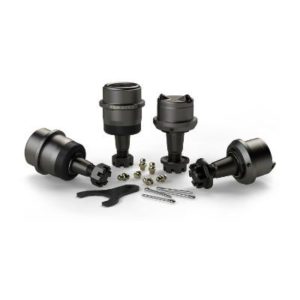
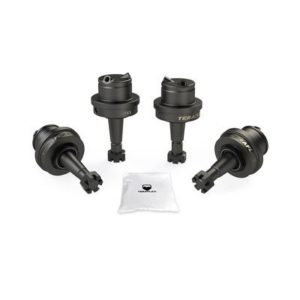

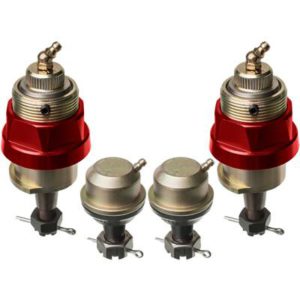

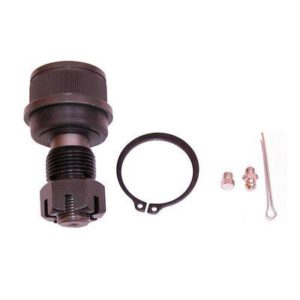
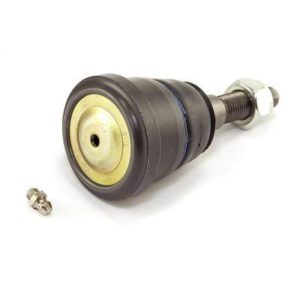

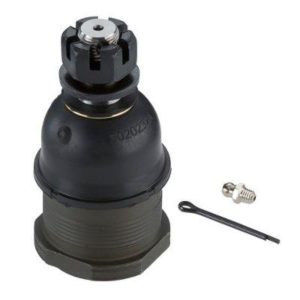
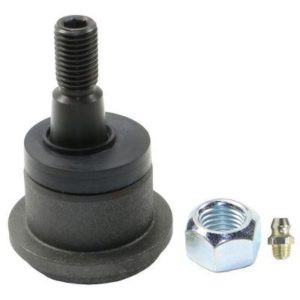
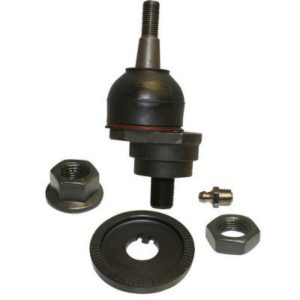
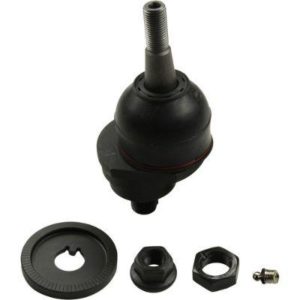
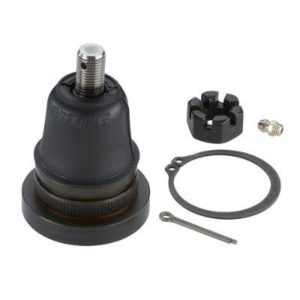
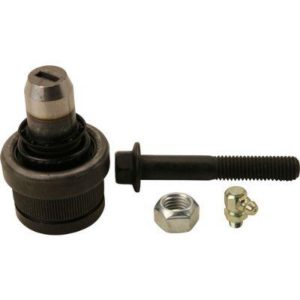
What an axle ball joint does
On a front solid axle, ball joints let the steering knuckle pivot left and right while the axle moves up and down. Each side usually has an upper and a lower joint. They carry vehicle weight, braking loads and steering forces, so worn joints can cause wandering, clunks, uneven tire wear and, if they fail, a loss of steering control. Lifted vehicles and larger tires load them harder, which accelerates wear.
Signs they are worn
- Clunking over bumps or when turning
- Loose or vague steering and wandering on the highway
- Uneven or feathered tire wear
- Play when the wheel is rocked with the vehicle supported properly
Inspection involves lifting the axle safely and measuring movement, ideally by a mechanic, since checking technique differs by design.
Types to understand
- Press-in: pressed into the knuckle or control arm with a ball joint press. They are common and need the proper tools.
- Bolt-on: a flanged joint that is bolted into place and is easier to install without a press.
- Thread-in: screws into the arm or knuckle and has to be torqued carefully.
- Greasable or sealed: greasable joints have a fitting for periodic lubrication. Sealed joints do not. Follow the product notes for service intervals.
Kits, such as a one-ton ball joint set, include upper and lower joints for heavier axles. Product details usually say whether a joint is for the left, right, upper or lower position and which drive type it suits, so read them closely.
Fitment and quality checks
Ball joints are very axle and model specific. Dimensions, taper and the design of the knuckle vary by year and by axle type, even in one model line. Confirm fitment for your exact year, make and model, and compare against the manufacturer's specifications and your existing part. Hardened ball studs and the use of OE-equivalent materials are features described on some listings, but always verify the details on the product page.
Installation and alignment
This is steering and suspension work, so professional installation is recommended unless you have the tools and experience. Torque every fastener to specification, replace cotter pins and nuts as the instructions require, and have the alignment checked after installing. Replace joints as a pair on each axle end when practical, and inspect related parts such as tie rods and bushings at the same time.
Related parts and common mistakes
Ball joints rarely wear alone. When the axle end is apart, it is a sensible time to inspect the steering and suspension parts nearby, including tie rod ends, wheel bearings, axle shaft U-joints, seals and the knuckle bushings or bearings. Replacing a ball joint but leaving other worn parts in place can mean the vehicle still wanders.
- Check the knuckle bore. A press-in joint depends on a clean, undamaged seat. An egg-shaped or corroded bore can cause a new joint to loosen.
- Grease as directed. Greasable joints should receive grease until the boot swells slightly, using the grease type recommended by the maker. Over-pressurizing can burst the boot.
- Do not reuse old hardware where the instructions call for new nuts or pins.
- Mind the lift. A lifted vehicle changes the joint operating angle, so some builds need adjustable or high-angle components. Check with the lift kit maker.
- Re-torque after the first drive and recheck for play.
Popular Axle Ball Joints brands
- Moog (59)
- Dana Spicer (9)
- Crown Automotive (7)
- Omix-Ada (6)
- ICON Vehicle Dynamics (4)
- Fabtech (3)
- Dynatrac (2)
- TeraFlex (2)
- California Super Trucks (1)
- RCV Axles (1)
- Alloy USA (1)
- Skyjacker (1)
Axle Ball Joints FAQ
How do I know if my ball joints are bad?
Typical signs are clunks over bumps, wandering or loose steering, and uneven tire wear. A mechanic can check play with the axle supported properly. Worn joints are a safety issue, so do not delay inspection.
Should I replace upper and lower ball joints together?
Often it makes sense, since both see similar wear and the axle is already apart. Replacing in sets for each side saves repeat labor, though the right choice depends on inspection results.
What tools do I need to replace press-in ball joints?
A ball joint press kit, large sockets, a torque wrench and typically a way to support the axle safely. Some designs also call for heat or special adapters. Many owners prefer to use a qualified shop.
Do I need an alignment after replacing ball joints?
Yes. Ball joints affect steering geometry, so a front-end alignment is recommended afterward. It helps the vehicle track straight and protects tires from uneven wear.