
Fabrication & Tools
Showing 61–72 of 504 resultsSorted by popularity
-
Rod Ends, Heim, Johnny & NG Joints

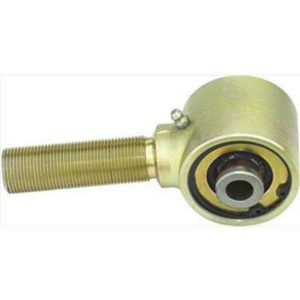
RockJock 2.5 Inch Forged Johnny Joint with 1 Inch RH Threaded Stud – CE-9113
 Rod Ends, Heim, Johnny & NG Joints
RockJock 2.5 Inch Forged Johnny Joint with 1 Inch RH Threaded Stud – CE-9113
- RockJock 4×4 R/JCE-9113 forged Johnny Joint with a threaded stud
- 2-inch mounting width and 7/16-inch thru bolt hole
- 2-inch mounting width and 7/16-inch thru bolt hole, greaseable through the outer shell and serviceable
- Uses internals from the CE-9112 2-inch Johnny Joint
- No vehicle named; suited to RockJock adjustable upper control arms and universal builds
SKU: R/JCE-9113 -
Rod Ends, Heim, Johnny & NG Joints
RockJock 2″ Serviceable Johnny Joint – CE-9112NC-12
- RockJock 4×4 R/JCE-9112NC-12, 2″ narrow forged Johnny Joint rod end
- Universal fit; no specific vehicle is listed
- 1″-14 right hand threads, 5″ long on the shank
- 1/2″ thru bolt hole, 2″ mounting width, greaseable
- Gold zinc plated; non-serviceable
SKU: R/JCE-9112NC-12 -
Rod Ends, Heim, Johnny & NG Joints
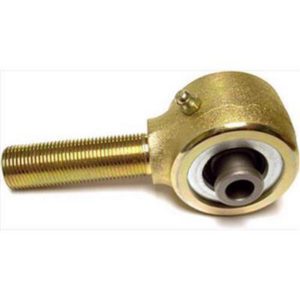
RockJock 2 Inch Forged Johnny Joint with 3/4 Inch RH Threaded Stud – CE-9112SP
 Rod Ends, Heim, Johnny & NG Joints
RockJock 2 Inch Forged Johnny Joint with 3/4 Inch RH Threaded Stud – CE-9112SP
- Universal fit 2 inch forged Johnny Joint with a right hand 3/4-16 threaded stud
- Part number R/JCE-9112SP for RockJock adjustable upper control arms and custom builds
- 2 inch mounting width and 7/16-inch thru bolt hole
- Greaseable through the outer shell, finished in gold zinc plating
SKU: R/JCE-9112SP -
Rod Ends, Heim, Johnny & NG Joints
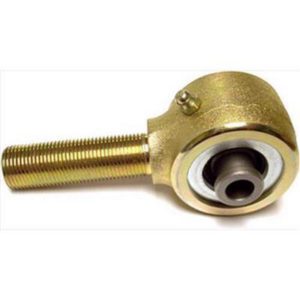
RockJock 2 Inch Forged Johnny Joint with 3/4 Inch LH Threaded Stud – CE-9112SPL
 Rod Ends, Heim, Johnny & NG Joints
RockJock 2 Inch Forged Johnny Joint with 3/4 Inch LH Threaded Stud – CE-9112SPL
- Universal fit 2 inch forged Johnny Joint for RockJock adjustable upper control arms and custom arm builds
- Part number R/JCE-9112SPL with a left hand 3/4-16 threaded stud
- 2 inch mounting width and 7/16-inch thru bolt hole
- Greaseable through the outer shell, finished in gold zinc plating
SKU: R/JCE-9112SPL -
Rod Ends, Heim, Johnny & NG Joints
RockJock 2 1/2″ Forged Johnny Joint – CE-9114L-21
- RockJock 4×4 forged Johnny Joint rod end, part number R/JCE-9114L-21
- 1 1/4-12 right hand threaded shank for linkage with a 2 1/2 inch joint
- 3.280 inch ball center with a .718 inch thru bolt hole
- Externally greasable through a zerk fitting
- Fully assembled; accepts 9/16 inch greasable thru bolts (sold separately)
- No vehicle fitment listed; check your linkage dimensions before ordering
SKU: R/JCE-9114L-21 -
Rod Ends, Heim, Johnny & NG Joints
RockJock 2 1/2″ Forged Johnny Joint – CE-9114-28
- RockJock 4×4 CE-9114-28 forged Johnny Joint, title size 2 1/2 inch
- 1 1/4 inch -12 right hand threaded shank
- 2.625 inch wide ball center, .640 inch thru bolt hole
- Externally greasable via zerk fitting, gold zinc plated
- Accepts 5/8 inch greasable thru bolts, available separately
SKU: R/JCE-9114-28 -
Rod Ends, Heim, Johnny & NG Joints
RockJock 12mm Greasable Bolt with Hardware – CE-91129
- RockJock 4×4 CE-91129 12mm greasable bolt with hardware
- 12mm thread, 3 3/4 inch (95 mm) long
- Includes grade 8 bolt with zerk fitting, 2 grade 8 flat washers, stover nut
- Used on GM G-body and Ford Fox body upper control arms
- No model years listed
SKU: R/JCE-91129 -
Tubing & Tube Adapters
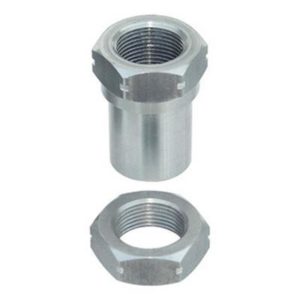
RockJock 1-1/4 Inch -12 Threaded Bung With Jam Nut – LH Thread – CE-9114BL
- RockJock 4×4 weld-in bung, part number R/JCE-9114BL
- Left hand, 1-1/4 inch – 12 thread
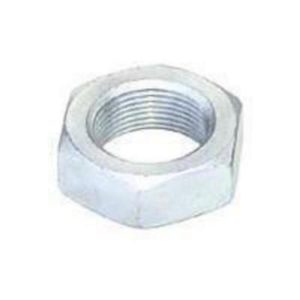
- Hex shaped with a matching machined jam nut
- Designed for tubing with a 1-1/2 inch minimum ID
- Takes forged Johnny Joint or other 1-1/4 inch thread rod ends
SKU: R/JCE-9114BL -
Tubing & Tube Adapters
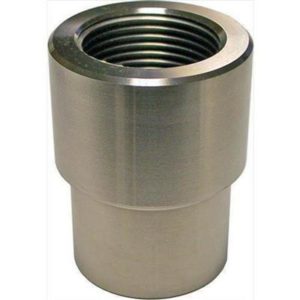
RockJock 1-1/4 Inch -12 Threaded Bung RH Thread – CE-9114BR
- RockJock 4×4 CE-9114BR 1 1/4 inch -12 right hand threaded bung
- Weld-in design for a tube with 1 1/2 inch minimum inside diameter
- Built for forged Johnny Joint rod ends or any 1 1/4 inch rod end
- Jam nut not included
- Universal fit, with no specific car tied to it
SKU: R/JCE-9114BR -
Tubing & Tube Adapters
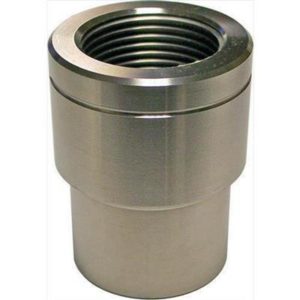
RockJock 1-1/4 Inch -12 Threaded Bung LH Thread – CE-9114BLR
- RockJock 4×4 CE-9114BLR 1 1/4 inch -12 left hand threaded bung
- Weld-in design for a tube with 1 1/2 inch minimum inside diameter
- Built for forged Johnny Joint rod ends or any 1 1/4 inch rod end
- Jam nut not included
- Universal fit, with no car named
SKU: R/JCE-9114BLR -
Rod Ends, Heim, Johnny & NG Joints
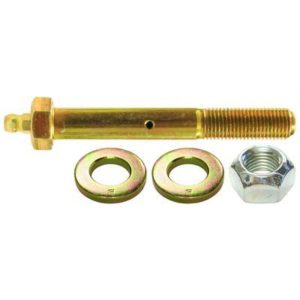
RockJock 1/2″ Greasable Bolt with Hardware – CE-91128
- RockJock 4×4 CE-91128 1/2 inch greasable bolt with hardware
- 1/2 inch -20 thread, 3 1/2 inch long
- Includes washers and nut
- Built for 2 inch Johnny Joints in TJ, LJ, XJ and MJ applications
- Suits other universal applications as well
SKU: R/JCE-91128 -



What you will find here
Fabrication and tools covers the small parts that custom suspension and chassis work depends on. Rod ends and flex joints let links articulate, tube adapters join tubing to those joints, gussets and tabs reinforce brackets, and perches and shock mounts attach springs and shocks to axles and frames. Specialty tools such as joint presses, torsion key unloaders, spindle nut sockets and installation tools round out the category.
Rod ends and flex joints
Johnny Joint style flex joints use a bushing in a threaded housing, usually with urethane, and allow articulation while absorbing vibration. Heim joints, often called rod ends, use a spherical ball and are more rigid and precise, but they transmit more noise and need regular inspection. Left-hand and right-hand threaded ends, paired with jam nuts, let you adjust link length without removing the link. Misalignment spacers let a joint swing through its full range without binding.
Specs to match
- Thread size and direction: for example 3/4 inch versus 1-1/4 inch, left or right hand.
- Housing outside diameter and mounting width: this must match the tube or bracket.
- Bolt hole size: sets the bolt diameter through the joint.
- Weld-on or threaded: some adapters and joints must be welded.
- Serviceability: some joints grease through a fitting, and some can be rebuilt.
Safety and workmanship
Suspension links, cage components and steering parts are safety-critical. Welding should be done by someone qualified, using correct tube wall thickness, proper penetration and heat control. Use proper-grade hardware, tighten to specification, and fit jam nuts correctly with full thread engagement. Inspect joints regularly for play and cracks. For steering and suspension work you are unsure about, have a professional fabricator build and inspect it.
Think about the complete link before buying individual parts. A control arm or link is built from two ends, a tube and the hardware, and every piece must match: the thread of the ends has to match the tube adapter, and the bolt diameter must match the mounts on the axle and frame. Measure the center-to-center length you need with the suspension at ride height and again at full droop and full compression, so the ends never bind or run out of thread engagement.
The tools in this category make jobs safer and tidier. Joint presses and installation tools prevent damaged bushings, and a spindle nut socket or torsion key tool does a job that is awkward and risky with improvised tools. Brackets, gussets and tabs should be welded with clean, fully fused beads and placed to spread loads into the surrounding structure rather than concentrating stress on a single spot. Never grind or drill structural components without understanding how that changes their strength. Keep a record of the torque used on every fastener and recheck after the first trail outing.
Keep spare hardware on hand for trail repairs, including a few jam nuts, grade-rated bolts, nylon-insert locknuts and extra misalignment spacers, since these small parts are easy to lose and hard to improvise. Mark the final position of each adjustable end with paint so you can see at a glance if anything has turned. Store rod ends clean and lightly oiled, because rust inside a spherical bearing causes binding and premature wear.
Compatibility
Many items here are universal, so fitment depends on your design. Confirm dimensions and thread specifications from the manufacturer before choosing a product below.
Popular Fabrication & Tools brands
- Artec Industries (94)
- Rubicon Express (72)
- RockJock 4x4 (56)
- Currie (52)
- Trail Gear (44)
- TeraFlex (31)
- Fabtech (26)
- Blue Torch Fabworks (23)
- Rock Krawler (18)
- Mountain Off Road Enterprises (15)
- Poison Spyder Customs (13)
- Pro Comp Suspension (13)
Shop Fabrication & Tools by type
- Shock Mounts (72)
- Gussets & Tabs (59)
- Flex Joints, Rod Ends & Jam Nuts (116)
- Flex Joints (62)
- Tube Adapters (26)
- Brackets, Gussets & Tabs (80)
- Jam Nuts (17)
- Leaf Spring Perch (17)
- Tubing & Tube Adapters (12)
- Misalignment Spacers & Washers (9)
- Shock Absorber Wrench (8)
- Joint Tools (6)
- Roll Cage Gusset (7)
- Leaf Spring Accessories (3)
- Link Arm End (6)
- Nut-Sert Installation Tool (1)
- Sockets (3)
- Tool Bits (2)
- Specialty Tools (4)
- Drill Bits (0)
- Siphons (2)
- Hand Tools (2)
- Torsion Key Unloading Tool (2)
- Spindle Nut Socket (2)
- Oil Screen Installation Tool (0)
- Hose Cutter (1)
- Roll Cage Accessories (1)
- Knuckle Pull Scale (1)
- Garage Tools (1)
Fabrication & Tools FAQ
What is a Johnny Joint?
A Johnny Joint is a trademarked style of flex joint that places a bushing inside a threaded housing so a link or arm can pivot and twist. It is quieter than a heim joint and widely used in control arms and track bars.
What is the difference between a heim joint and a flex joint?
A heim joint uses a metal spherical bearing for precise, rigid movement, but it can be noisy and needs inspection. A flex joint uses a bushing, often urethane, which dampens noise and vibration while still letting the link articulate.
Why do rod ends come in left-hand and right-hand threads?
Pairing one left-hand and one right-hand end lets you turn a single link tube to lengthen or shorten it without removing either end. Jam nuts then lock the adjustment so the threads cannot back out.
Do I need to weld tube adapters?
Many tube adapters and weld-in joints must be welded to the tubing, while others thread in. Check the product description. Welding structural suspension parts should be done by a qualified fabricator using suitable tube material and technique.