Rod ends, Heim joints, Johnny Joints and NG joints are the pivots at the ends of control arms, links and track bars. This category is mainly forged Johnny Joints and rod-end style joints from RockJock 4×4, available in several sizes and thread directions. Use it when building or repairing custom arms, then compare the products below.
Rod Ends, Heim, Johnny & NG Joints
Showing 1–12 of 48 resultsSorted by popularity
-
Fabrication & Tools, Flex Joints, Rod Ends & Jam Nuts, Rod Ends, Heim, Johnny & NG Joints

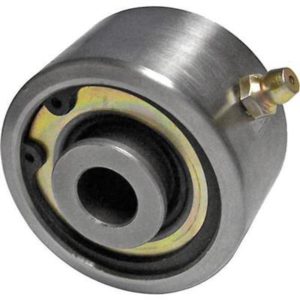
RockJock Narrow Johnny Joint Rod End – CE-9112NP-13
 Fabrication & Tools, Flex Joints, Rod Ends & Jam Nuts, Rod Ends, Heim, Johnny & NG Joints
RockJock Narrow Johnny Joint Rod End – CE-9112NP-13
- RockJock 4×4 Narrow Johnny Joint Rod End, part number R/JCE-9112NP-13
- 30 degrees of unrestricted movement, compared with 22 degrees on a common heim joint
- High density polyurethane bushing with a zerk fitting
- Universal fit; no vehicle named
SKU: R/JCE-9112NP-13 -
Fabrication & Tools, Flex Joints, Rod Ends & Jam Nuts, Rod Ends, Heim, Johnny & NG Joints
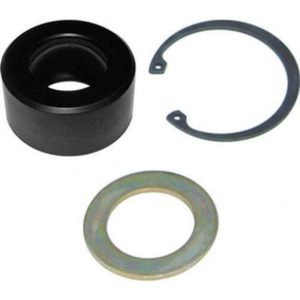
RockJock Narrow Johnny Joint Rebuild Kit – CE-9110NRK
 Fabrication & Tools, Flex Joints, Rod Ends & Jam Nuts, Rod Ends, Heim, Johnny & NG Joints
RockJock Narrow Johnny Joint Rebuild Kit – CE-9110NRK
- Rebuild kit for the narrow Johnny joint, RockJock 4×4 part number R/JCE-9110NRK
- Universal fit, with no vehicle matched
- Package contents to check before starting work
SKU: R/JCE-9110NRK -
Fabrication & Tools, Flex Joints, Rod Ends & Jam Nuts, Rod Ends, Heim, Johnny & NG Joints
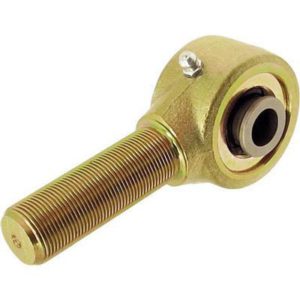
RockJock Narrow Forged Johnny Joint – CE-9116N-13
 Fabrication & Tools, Flex Joints, Rod Ends & Jam Nuts, Rod Ends, Heim, Johnny & NG Joints
RockJock Narrow Forged Johnny Joint – CE-9116N-13
- RockJock 4×4 narrow forged Johnny Joint, part number R/JCE-9116N-13
- Narrow style forged construction
- 40 degrees of overall articulation travel
- Universal fit; no specific vehicle matched
SKU: R/JCE-9116N-13 -
Fabrication & Tools, Flex Joints, Rod Ends & Jam Nuts, Rod Ends, Heim, Johnny & NG Joints
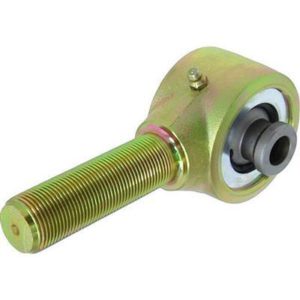
RockJock Narrow Forged Johnny Joint – CE-9113NL
 Fabrication & Tools, Flex Joints, Rod Ends & Jam Nuts, Rod Ends, Heim, Johnny & NG Joints
RockJock Narrow Forged Johnny Joint – CE-9113NL
- RockJock 4×4 narrow Johnny Joint, part number R/JCE-9113NL
- Forged narrow style rod end
- 40 degrees of overall articulation travel
- Universal fit, with no single vehicle matched
SKU: R/JCE-9113NL -
Fabrication & Tools, Flex Joints, Rod Ends & Jam Nuts, Rod Ends, Heim, Johnny & NG Joints
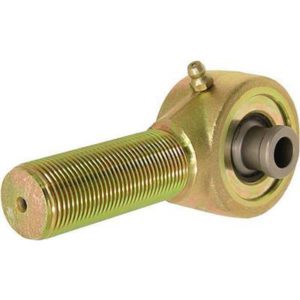
RockJock Narrow Forged Johnny Joint – CE-9112NSP
 Fabrication & Tools, Flex Joints, Rod Ends & Jam Nuts, Rod Ends, Heim, Johnny & NG Joints
RockJock Narrow Forged Johnny Joint – CE-9112NSP
- RockJock 4×4 forged narrow Johnny Joint, part number R/JCE-9112NSP
- 40 degrees of overall articulation travel
- Universal fit entry; no vehicle named for this part number
SKU: R/JCE-9112NSP -
Fabrication & Tools, Flex Joints, Rod Ends & Jam Nuts, Rod Ends, Heim, Johnny & NG Joints
RockJock Narrow Forged Johnny Joint – CE-9112NL-13
 Fabrication & Tools, Flex Joints, Rod Ends & Jam Nuts, Rod Ends, Heim, Johnny & NG Joints
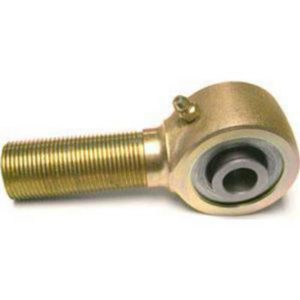
RockJock Narrow Forged Johnny Joint – CE-9112NL-13
- RockJock 4×4 R/JCE-9112NL-13, a narrow forged Johnny Joint in left hand thread
- 2 1/4 inches of 1-14 left hand threads on the shank
- .5625-inch thru bolt hole for a 14mm bolt
- 1.600-inch mounting width and greaseable outer shell
- No vehicle named; for custom arm builds
SKU: R/JCE-9112NL-13 -
Fabrication & Tools, Flex Joints, Rod Ends & Jam Nuts, Rod Ends, Heim, Johnny & NG Joints
RockJock Narrow Forged Johnny Joint – CE-9112N75SPL
 Fabrication & Tools, Flex Joints, Rod Ends & Jam Nuts, Rod Ends, Heim, Johnny & NG Joints
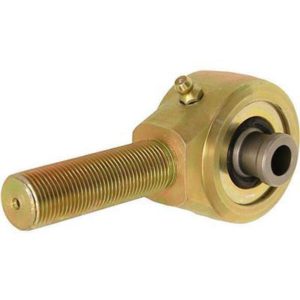
RockJock Narrow Forged Johnny Joint – CE-9112N75SPL
- RockJock 4×4 narrow forged Johnny Joint, part number R/JCE-9112N75SPL
- 40 degrees of overall articulation travel
- Universal fit; no single vehicle applies
SKU: R/JCE-9112N75SPL -
Fabrication & Tools, Flex Joints, Rod Ends & Jam Nuts, Rod Ends, Heim, Johnny & NG Joints
RockJock Narrow Forged Johnny Joint – CE-9112N75SP
 Fabrication & Tools, Flex Joints, Rod Ends & Jam Nuts, Rod Ends, Heim, Johnny & NG Joints
RockJock Narrow Forged Johnny Joint – CE-9112N75SP
- RockJock 4×4 forged Johnny Joint, part number R/JCE-9112N75SP
- 40 degrees of overall articulation travel
- Universal fit, with no vehicle named
SKU: R/JCE-9112N75SP -
Fabrication & Tools, Flex Joints, Rod Ends & Jam Nuts, Rod Ends, Heim, Johnny & NG Joints
RockJock Narrow Forged Johnny Joint – CE-9112N75-13
 Fabrication & Tools, Flex Joints, Rod Ends & Jam Nuts, Rod Ends, Heim, Johnny & NG Joints
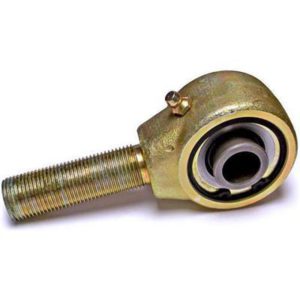
RockJock Narrow Forged Johnny Joint – CE-9112N75-13
- RockJock 4×4 CE-9112N75-13, narrow forged Johnny Joint, 2″ diameter
- Universal fit; no specific vehicle is listed
- 3/4″-16 right hand threads, 2 1/4″ long; 1.600″ mounting width
- .562″ thru bolt hole and zerk fitting for greasing
- Gold zinc plated; 40 degrees of movement per RockJock
SKU: R/JCE-9112N75-13 -
Fabrication & Tools, Flex Joints, Rod Ends & Jam Nuts, Rod Ends, Heim, Johnny & NG Joints
RockJock Narrow Forged Johnny Joint – CE-9112N-12
 Fabrication & Tools, Flex Joints, Rod Ends & Jam Nuts, Rod Ends, Heim, Johnny & NG Joints
RockJock Narrow Forged Johnny Joint – CE-9112N-12
- RockJock 4×4 R/JCE-9112N-12, a narrow forged Johnny Joint rod end
- 2-inch diameter body with 2 1/4 inches of 1-14 right hand threads
- .500-inch thru bolt hole and 2-inch mounting width
- 40 degrees of movement in any direction
- Universal fit for custom builds
SKU: R/JCE-9112N-12 -
Fabrication & Tools, Flex Joints, Rod Ends & Jam Nuts, Rod Ends, Heim, Johnny & NG Joints
RockJock Narrow 2.5 Inch Forged Johnny Joint, 1.25″-12 Right Hand Thread Shank, 2.365 x 0.5625 Ball – CE-9114N-14
 Fabrication & Tools, Flex Joints, Rod Ends & Jam Nuts, Rod Ends, Heim, Johnny & NG Joints
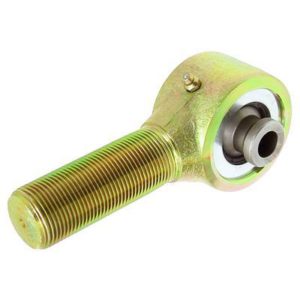
RockJock Narrow 2.5 Inch Forged Johnny Joint, 1.25″-12 Right Hand Thread Shank, 2.365 x 0.5625 Ball – CE-9114N-14
- RockJock 4×4 R/JCE-9114N-14, a narrow forged Johnny Joint with right hand threads
- 1 1/4-inch-12 right hand shank with 2 1/4 inches of threads
- 40 degrees of movement in any direction
- 2.365-inch offset ball and .562-inch thru bolt hole
- Universal fit; no vehicle named
SKU: R/JCE-9114N-14 -
Fabrication & Tools, Flex Joints, Rod Ends & Jam Nuts, Rod Ends, Heim, Johnny & NG Joints
RockJock Narrow 2.5 Inch Forged Johnny Joint, 1.25″-12 Left Hand Thread Shank, 2.365 x 0.5625 Ball – CE-9114NL-14
 Fabrication & Tools, Flex Joints, Rod Ends & Jam Nuts, Rod Ends, Heim, Johnny & NG Joints
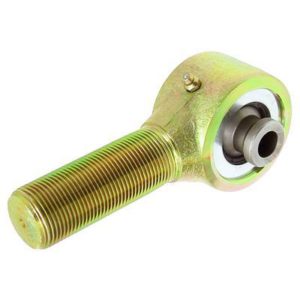
RockJock Narrow 2.5 Inch Forged Johnny Joint, 1.25″-12 Left Hand Thread Shank, 2.365 x 0.5625 Ball – CE-9114NL-14
- RockJock 4×4 R/JCE-9114NL-14, a narrow forged Johnny Joint
- 1 1/4-inch-12 left hand shank with 2 1/4 inches of threads
- 40 degrees of movement in any direction
- 2.365-inch offset ball with .562-inch thru bolt hole
- Universal fit; no vehicle named
SKU: R/JCE-9114NL-14
Why these joints matter
Every suspension link needs pivots at both ends. Factory arms use rubber or polyurethane bushings, which give quiet and compliant operation but limit articulation and wear over time. Rod ends and flex joints let a link rotate and misalign through a wide range of motion, which is why they are used on long-travel and rock-crawling setups and custom fabricated arms.
Joint types
- Heim or rod end joints: A spherical bearing in a threaded body. They are strong and flexible, but they can be noisy and often need maintenance, because dirt and water can wear them.
- Johnny Joint style: A heavy-duty flex joint with a sealed, serviceable pivot that is designed for on-road driving as well as trail use. Narrow versions fit tighter brackets.
- Other flex joints: Some designs use polymer or bearing liners and are chosen for the balance of articulation and noise.
Key specifications
- Outer diameter and width: Must fit the tube and bracket, such as 2.5 inch bodies.
- Stud and bolt size: Matches your bolt through the bracket.
- Thread direction: Right-hand and left-hand threads let you build an adjustable arm with a length turnbuckle.
- Tube compatibility: Joints are paired with weld-in bungs or threaded tube inserts sized for the tubing wall thickness.
Fitment and installation
Most products here are universal, so fitment depends on your fabrication. Match the joint, bung and tubing sizes, and use grade-rated hardware. Welding suspension parts requires skill, because poor welds can fail without warning. Have critical links built or inspected by an experienced fabricator, and follow the manufacturer's specifications. Torque bolts with the suspension at ride height so bushings are not preloaded, and use the correct jam nuts and lubrication. After installation, check the alignment and inspect the joints regularly for play.
Lubrication and inspection matter for any joint with a grease fitting or sealed boot. Check seals for cracks, add grease to serviceable designs as the manufacturer directs, and look for play by pushing the arm back and forth with the weight off the suspension. A joint with visible slop should be replaced promptly rather than monitored.
Keep spares of common sizes and jam nuts in your tool kit.
Sizing and matching a joint to the application
Begin with the arm itself. Measure the tube outside diameter and wall thickness, and match them to the bung size, because a loose-fit bung weakens the weld. Next, check the bracket width, because the joint's width, plus any spacers, must fit snugly without being forced in. Choose a bolt grade appropriate for suspension use and use hardened washers or spacers.
- Select left- and right-hand thread pairs if you want adjustable length.
- Check the misalignment angle of the joint against your suspension travel, so it does not bind at full flex.
- Use jam nuts and a thread locking compound on adjustable ends.
Joints used on both ends of the same link should be installed with the same orientation of misalignment spacers. Remember that more articulation often means more noise and more maintenance, so balance the trail goals against daily driving needs.
Popular Rod Ends, Heim, Johnny & NG Joints brands
Rod Ends, Heim, Johnny & NG Joints FAQ
What is a Johnny Joint?
A Johnny Joint is a flex joint used at the end of a suspension link. It allows articulation like a rod end, but is built for street use with a sealed, serviceable design and less noise than a typical bearing.
What is the difference between a Heim joint and a Johnny Joint?
A Heim joint is a spherical rod end, simple and strong but noisier and more maintenance-heavy on the street. A Johnny Joint is a larger, sealed flex joint designed to handle road use as well.
Why do some joints have left-hand threads?
A right-hand joint on one end and a left-hand joint on the other let you turn the tube to change the arm's length without removing either end. This makes adjustable control arms and links possible.
Can I weld rod ends into tubing myself?
The joint needs a weld-in bung or threaded insert sized for the tube, and the weld quality is critical. Unless you are experienced with structural welding, have a qualified fabricator do it.