





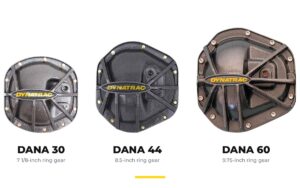
Dana 30 vs Dana 44 vs Dana 60: how to identify the axle under your Jeep or truck, what each one handles, and when…
Differential Covers
Showing 85–96 of 99 resultsSorted by popularity
-
-
-
Differential Covers
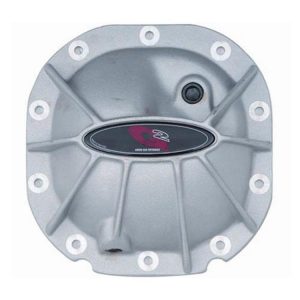
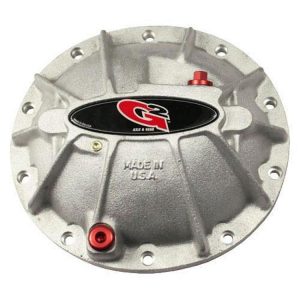
G2 Ford 8.8 Inch Aluminum Cover – 40-2013AL
- Rear differential cover for Ford 8.8 inch axles, part number 40-2013AL
- Also named for Mazda 8.8 inch axles
- Cast lightweight aluminum body with reinforcing ribs
- Heat treated and shot peened construction
- Raw natural aluminum finish with extra oil capacity
SKU: G/240-2013AL -
-
Differential Covers
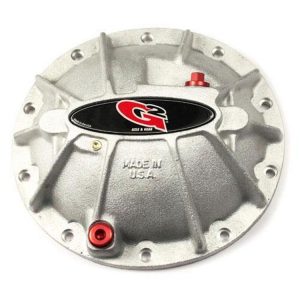
G2 Dana 35 Aluminum Cover – 40-2049AL
- Rear differential cover for Dana 35 axles, part number 40-2049AL
- Lightweight cast aluminum to help dissipate heat
- Ribbed casting for rigidity and strength
- Heat treated and shot peened to help handle direct impact
- Natural raw aluminum finish
SKU: G/240-2049AL -
-
Differential Covers
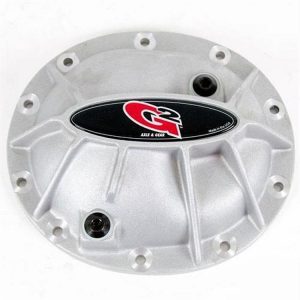
G2 Chrysler 8.25 Inch Aluminum Cover – 40-2029AL
- Rear differential cover for Chrysler 8.25 inch axles, part number 40-2029AL
- Lightweight cast aluminum body with reinforcing ribs
- Heat treated and shot peened casting for impact resistance
- Raw natural aluminum finish
- Seal face machined to help prevent leaks at fit-up
SKU: G/240-2029AL -
Differential Covers
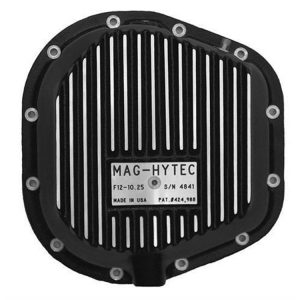
Mag-Hytec Ford 10.25 Inch/10.5 Inch High Capacity Cover – 12-10.25/12-10
- For Ford 10.25-inch and 10.5-inch Sterling rear axles
- Finned aircraft aluminum housing with black powder coat
- Holds 2.5 extra quarts, 6 quarts in total
- Dipstick with magnetic insert for routine checks
SKU: MAGF12-10.2510.5 -
Differential Covers
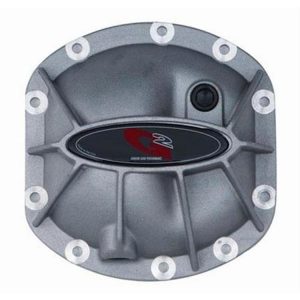
G2 Dana 25/27/30 G-2 Aluminum Differential Cover Black – 40-2031ALB
- Front differential cover for Dana 25, 27 and 30 axles, part number 40-2031ALB
- Cast lightweight aluminum with reinforcing ribs to dissipate heat
- Heat treated and shot peened to handle direct impact
- Fully machined seal surface for a leak free installation
- Black powder coated finish with extra oil capacity
SKU: G/240-2031ALB -
-
-
What a differential cover does
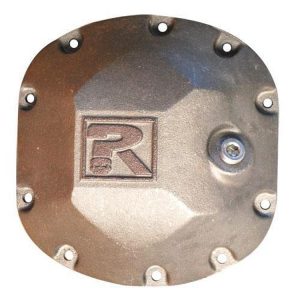
The cover closes the back of a solid axle housing and holds the gear oil. A stock stamped steel cover can dent on rocks, leak, or bend, and an aftermarket one can add protection, more oil capacity, and sometimes cooling or a drain plug. For off-roaders, the cover is also a good chance to refresh the fluid and inspect the gears.
Materials and designs
- Cast aluminum: light, with fins that help shed heat, though it can be damaged by hard impacts.
- Nodular or ductile iron: very strong and good for rock crawling and heavy impacts, but heavier.
- Stamped steel: replacement for factory covers, often less costly.
- Extra capacity covers: deeper designs that hold more gear oil and may lower temperatures under load.
- Finishes: powder coat in gloss black, gray, bronze, or red resist corrosion and can match a build.
Matching the cover to the axle
Different axles use different covers, so identify yours first. The common ones include Dana 30, 35, 44, and 60, Chrysler 8.25 and 9.25, GM 10.5 and 14-bolt, and Ford 9.75, and each may have front, rear, and sometimes variant versions such as AdvanTEK designs. The bolt pattern and shape differ between them, so do not rely on appearance. Check the part's listing for axle model and position. Some covers include bolts, a gasket or sealant guidance, a fill plug, and a magnetic drain, while others need these bought separately.
Installation notes
Clean the housing surface thoroughly and remove the old gasket or sealant. Drain the old oil first, and use the sealant or gasket type that the maker recommends. Tighten bolts in a crisscross pattern to the specified torque so the cover seals evenly. Refill with the correct gear oil, including any friction modifier required for limited-slip differentials, and check the level at the fill hole. Inspect the oil for metal particles, since a lot can signal gear wear.
Recheck for leaks after the first drive. A tougher cover does not replace skid plates or good line choice. Always confirm fitment for your exact year, make, model, and axle with the manufacturer's specifications.
Choosing and avoiding mistakes
Confirm the number and position of the cover bolts, and compare your housing's shape with the cover's outline before ordering. Do not overtighten bolts on aluminum covers, since the threads can strip or the cover can warp, which causes leaks. Make sure there is room for a fill plug or sensor, and check that a deeper cover does not reduce ground clearance on your build. When the axle is open, look at the ring gear and carrier for chipped teeth, scoring, or excess play, and check the breather so the housing can vent. Consider adding a magnetic drain plug to catch fine metal particles, and write down the date and mileage of your fluid change for future reference.
Keep a record of which sealant, gasket, and bolt torque you used, and recheck the bolts after the first few hundred miles, since a cover can loosen slightly as the gasket compresses and the housing heats and cools.
Related guides
- Dana 30 vs Dana 44 vs Dana 60: Which Axle Is Under Your Jeep or Truck, and When to Upgrade
- Is the Legendary Ford 9-Inch Overrated? Why Modern 4x4s Are Switching to the 8.8
Ford 9-inch vs Ford 8.8: how the two axles differ in gearing, pinion support and shaft retention, and why the 31-spline 8.8 is the…
Popular Differential Covers brands
- G2 Axle and Gear (46)
- Mag-Hytec (12)
- Dana Spicer (10)
- ARB 4x4 Accessories (10)
- Rugged Ridge (6)
- RT Off-Road (4)
- Riddler Manufacturing (3)
- Crown Automotive (3)
- Poison Spyder Customs (3)
- Alloy USA (3)
- Currie (3)
- Kentrol (3)
Differential Covers FAQ
Does an aftermarket differential cover add strength?
A thick iron or heavy aluminum cover resists impacts better than stamped steel, and some designs add structure. It does not strengthen the gears or axle. Think of it as protection and added oil capacity.
Which is better for a differential cover, aluminum or iron?
Aluminum is lighter and sheds heat well. Iron is tougher against hard rock strikes but heavier. The choice depends on weight, terrain, and budget, and both work when installed correctly.
Do I need to change gear oil when I install a cover?
It is the ideal time. Draining the old oil lets you inspect the gears and refill with fresh fluid. Use the type and capacity your axle needs, and add friction modifier if a limited-slip requires it.
How do I know which cover fits my axle?
Identify the axle model and position, front or rear, and look at the cover's listed fitment. Axles of the same size can have different bolt patterns, so confirm the exact model before ordering.