
Hitches
Showing 157–168 of 200 resultsSorted by popularity
-
-
-
-
Receiver Hitches
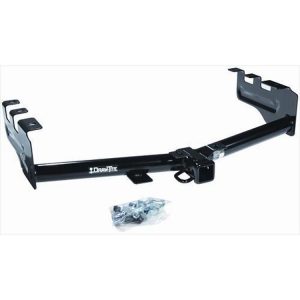
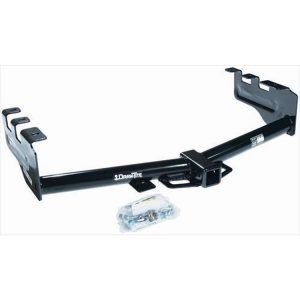
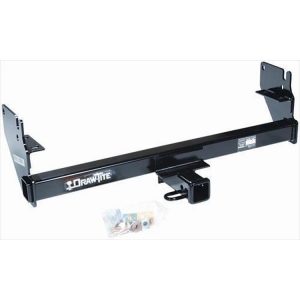
DrawTite Class III/IV Round Tube Max-Frame Trailer Hitch – 75521
- DrawTite 75521 Class III/IV round tube max-frame rear hitch
- Fits 1999–2013 Chevrolet Silverado 1500 and GMC Sierra 1500 trucks
- 6000 lb GTW and 10500 lb weight distributing rating
- Installation requires the OEM bumper and brackets
SKU: DRA75521 -
Receiver Hitches
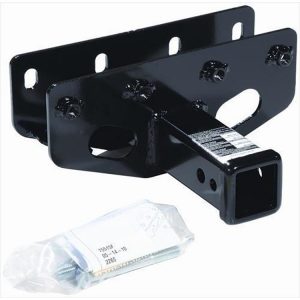
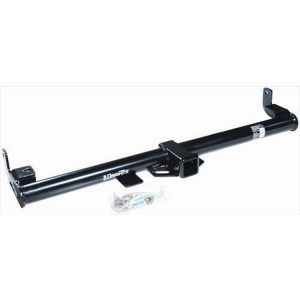
DrawTite Class III/IV Max-Frame Trailer Hitch – 75515
- DrawTite 75515 Class III/IV max-frame rear hitch for 2007–2012 Jeep Wrangler JK
- Fits two-door and four-door 2007–2012 Jeep Wrangler JK models
- Rated up to 3,500 lbs GTW weight carrying and 4,000 lbs GTW weight distributing
- Black powder coat finish, all-welded, no drilling required
SKU: DRA75515 -
-
Receiver Hitches
DrawTite Class III/IV Round Tube Max-Frame Trailer Hitch – 75362
- DrawTite 75362 Class III/IV round tube max-frame rear trailer hitch
- Fits 1999–2013 Chevrolet and GMC 1500 and 2500 trucks
- 6000 lb GTW and 8000 lb weight distributing rating
- Installation requires the OEM bumper and brackets
SKU: DRA75362 -
Receiver Hitches
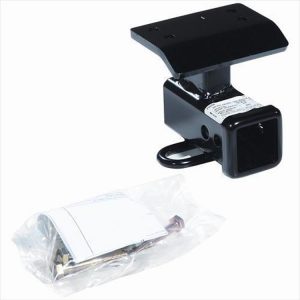
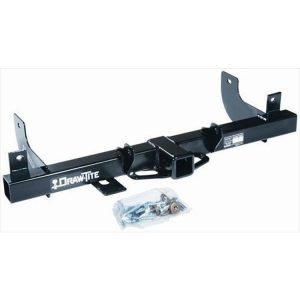
DrawTite Class III/IV Max-Frame Trailer Hitch – 75299
- DrawTite 75299 Class III/IV Max-Frame rear trailer hitch with a 2 in. receiver
- Ratings: 3500 lbs. GTW / 350 lbs. tongue weight; 4000 lb weight distributing / 400 lb tongue weight
- No drilling required; exhaust temperature lowered for install
- Does not fit with a roll pan
SKU: DRA75299 -
Receiver Hitches
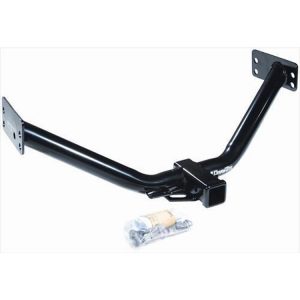
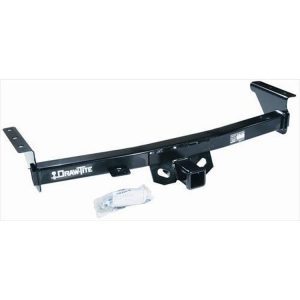
DrawTite Class III/IV Max-Frame Trailer Hitch – 75282
- DrawTite 75282 Class III/IV rear max-frame trailer hitch
- Fits 2005–2012 Nissan Frontier and 2009–2011 Suzuki Equator
- 5000 lb GTW and 8000 lb weight distributing rating
- 500 lb tongue weight, 800 lb with weight distribution
SKU: DRA75282 -
-
Receiver Hitches
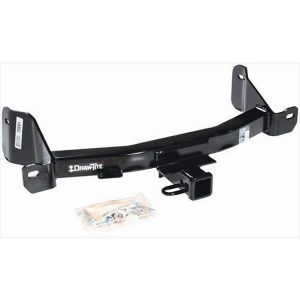
DrawTite Round Tube Max-Frame Receiver – 75193
- DrawTite 75193 Class III/IV round tube Max-Frame receiver, rear mount, part number 75193
- Fits 2004–2006 Jeep Wrangler LJ and 1997–2006 Jeep Wrangler TJ
- Rated up to 4,000 lbs. GTW, all-welded construction with a 2 inch square tube opening
- Custom built per vehicle application, attaches at all frame attachment points, no drilling required
SKU: DRA75193 -
Receiver Hitches
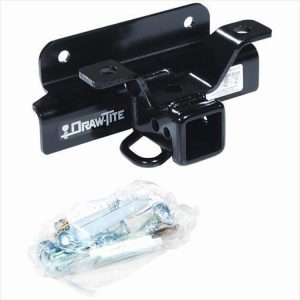
DrawTite Class III/IV Max-Frame Trailer Hitch – 75151
- Rear Class III/IV max-frame trailer hitch for 2003 to 2009 Dodge Ram pickups
- Rated 5000 lbs. GTW and 8000 lbs. weight distributing
- 500 lbs. tongue weight and 800 lb. weight distributing
- Fits models without a factory installed receiver
- Part number 75151
SKU: DRA75151


Receiver hitch basics
A receiver hitch is a steel frame that bolts to the tow vehicle and presents a square opening for a ball mount, bike rack, or cargo carrier. Classes describe capacity and opening size. Class II typically uses a 1-1/4 inch receiver, while Class III, IV, and V commonly use 2-inch or larger openings with progressively higher ratings.
Most hitches here are vehicle-specific, which means the mounting points, bracket shape, and tailpipe clearance are designed for a given model. Multi-fit styles cover several vehicles but may need more care during installation.
Gooseneck and fifth wheel
Gooseneck and fifth wheel hitches mount to the truck frame under the bed and carry weight over or just ahead of the rear axle, which improves stability for heavy trailers. Look for in-bed ball mounts, install kits that fit your truck's frame, and handles, wedges, or adapters for existing rails.
Install kits and brackets are usually specific to a truck make, cab, and bed length. Compare part numbers carefully before choosing.
Choosing the right rating
- Check the vehicle's maximum tow rating and tongue weight rating in the owner's manual.
- Pick a hitch whose rated capacity meets or exceeds your trailer, but remember the lowest rating in the system governs.
- Consider weight distribution and sway control when trailer weight approaches the vehicle's limit.
- Look at features such as roll pan clearance, finish, and whether wiring is included.
Installing safely
Many hitches bolt into factory frame holes without drilling, though some need exhaust or bumper adjustments. Use the torque values the manufacturer specifies, support the hitch while you tighten fasteners, and recheck bolts after your first towing trips. For gooseneck and fifth wheel gear, professional installation is a sound choice because bed drilling and frame bracing are involved. Confirm fitment for your exact year, make, and model.
Pre-trip checks and common mistakes
A hitch is only as safe as its last inspection. Look over the welds and finish for cracks or rust, confirm every bolt is tight, and make sure the pin and clip are the correct size for the receiver. A loose-fitting ball mount can rattle, so some owners use an anti-rattle device or locking pin.
Common mistakes include forgetting to count the weight of cargo in the trailer, using a 1-1/4 inch receiver for loads that need a 2-inch one, and ignoring the ball height. Keep a written record of your vehicle's and trailer's ratings in the glovebox.
It also helps to know the parts around the hitch. A ball mount slides into the receiver and is secured by a pin and clip. The ball threads into the mount, and its shank diameter, commonly 3/4, 1, or 1-1/4 inch, must match the hole in the mount. The ball diameter, often 1-7/8, 2, or 2-5/16 inches, must match the trailer coupler. Check the rating stamped on each part.
Wiring is separate from the hitch. Most trailers use a 4-pin or 7-pin connector, and adapters are common. Safety chains should cross under the tongue and attach to the vehicle's chain loops, not the ball mount.
Finally, think about corrosion. Hitches live under the rear bumper where road salt and water collect. Touch up chips with paint, keep the receiver interior lightly greased, and pull the pin occasionally so it does not seize in place.
Popular Hitches brands
- Curt Manufacturing (92)
- DrawTite (48)
- B&W Hitch (33)
- Rugged Ridge (7)
- Smittybilt (5)
- Warn (3)
- Reese (3)
- Trimax Locks (2)
- Pro Series (2)
- Fab Fours (2)
- Fastway Trailer Products (2)
- Street Scene (1)
Shop Hitches by type
- Receiver Hitches (151)
- Weight Distributing Hitch (8)
- Gooseneck Trailer Hitch Ball (7)
- Fifth Wheel Trailer Hitch Head Unit (6)
- Fifth Wheel Trailer Hitch (3)
- Trailer Hitch Adapter (2)
- Weight Distributing Hitch Sway Control (1)
- Fifth Wheel Trailer Hitch Handle (1)
- Fifth Wheel Trailer Hitch Wedge (1)
Hitches FAQ
What is the difference between Class III and Class IV hitches?
Both usually use a 2-inch receiver, but Class IV has a higher rating than Class III. Exact ratings vary by manufacturer and by whether you use weight distribution, so check the specifications on the product and your vehicle's own tow rating.
Will a hitch fit with a roll pan?
Not always. Some hitches are designed to clear a roll pan and others are not. Listings sometimes state this directly. Check the fitment notes, and confirm against your exact year, make, and model.
What does a weight distributing hitch do?
It uses spring bars to spread part of the tongue weight to the tow vehicle's front axle and the trailer axles. This helps level the vehicle and can improve steering feel and braking when towing heavier trailers.
Can I install a hitch myself?
Many bolt-on receiver hitches are manageable with basic tools, a torque wrench, and a helper. Gooseneck and fifth wheel installs are more involved and often benefit from professional installation. Follow the maker's instructions and torque specifications.