
Ball mounts connect your trailer coupler to the receiver hitch. This category covers fixed drop mounts, adjustable and locking ball mounts, turnover balls and receiver-style units from Weigh Safe Hitches, B&W Hitch, Fastway Trailer Products, Smittybilt and DrawTite. Compare shank size, drop height and rated capacity, then open a product page for full details.
Trailer Hitch Ball Mount
Showing 1–12 of 90 resultsSorted by popularity
-
-
-
Drop Hitches & Ball Mounts
Fastway Flash Adjustable Locking Ball Mount – 47-00-3400
- Dual hitch balls for hooking up to different trailers
- Built-in locks, so separate hitch and adjustment pins are not needed
- 4 Inch Drop with a 2 Inches shank
- Aluminum body with chrome finish and tethered cover
- Part number DTM47-00-3400 from Fastway Trailer Products
SKU: DTM47-00-3400 -
Drop Hitches & Ball Mounts
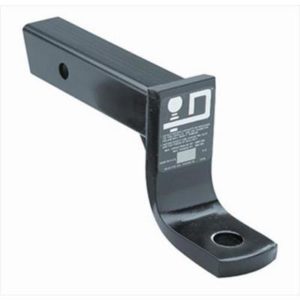
DrawTite Class V Forged Ball Mount (Black) – 40330
- DrawTite Class V forged ball mount, part number DRA40330
- 2 inch drop with a 2 inch by 2 inch shank
- 1.250 inch ball hole, black steel finish
- Universal fit; confirm receiver size and weight rating before ordering
SKU: DRA40330 -
-
-
-
Drop Hitches & Ball Mounts
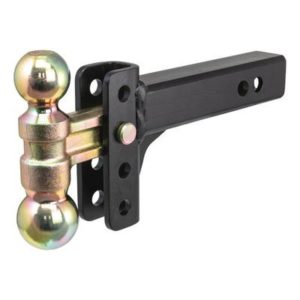
Curt Slim Adjustable Channel Mount with Dual Ball – 45903
- Light-duty adjustable channel mount with a dual ball head
- Dual 2 inch and 2-5/16 inch trailer balls
- Maximum drop 3-3/4 inch and maximum rise 3-1/2 inch
- Rated 8,000 lbs on the 2 inch ball and 10,000 lbs on the 2-5/16 inch ball
SKU: CRT45903 -
Drop Hitches & Ball Mounts
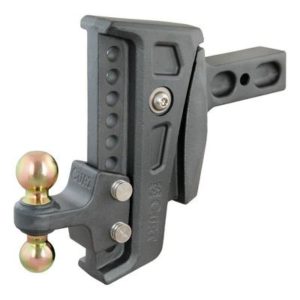
Curt Rebellion XD Adjustable Ball Mount with 2-1/2″ Shank – 45955
- Cushion hitch with ShockDrop technology for a smoother ride
- 2-1/2 inch x 2-1/2 inch shank for class 5 receivers
- Adjustable shank with 8 inch maximum drop and 1 inch maximum rise
- Rated 10,000 lbs with a 2 inch ball and 20,000 lbs with a 2-5/16 inch ball
SKU: CRT45955 -
Drop Hitches & Ball Mounts
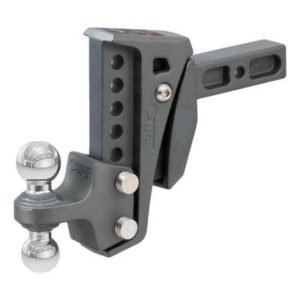
Curt Manufacturing Rebellion XD Adjustable Cushion Hitch – 45951
- Cushion hitch with a ShockDrop isolator to reduce jarring and rattling
- Adjustable shank with a maximum drop of 6 inch and 6 height adjustment positions
- Rated 10,000 lbs with a 2 inch ball and 15,000 lbs with a 2-5/16 inch ball
- Cast steel with textured dark grey teridium finish
SKU: CRT45951


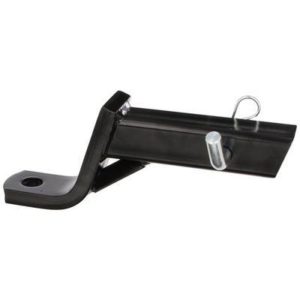
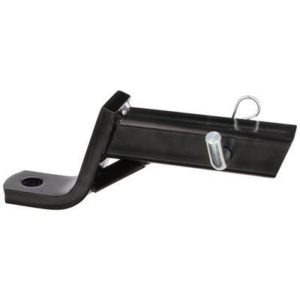


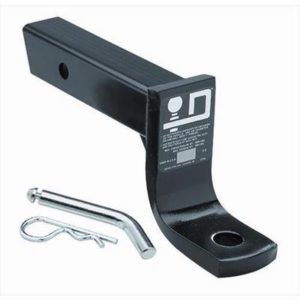
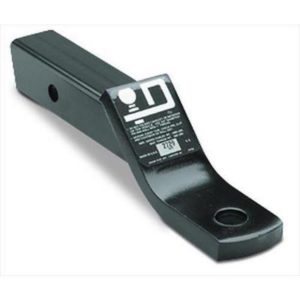


What a ball mount does
A ball mount slides into the receiver tube on your hitch and holds the trailer ball. Its job is to put the coupler at the correct height so the trailer rides level. A trailer that tilts nose-up or nose-down can sway, wear tires unevenly and reduce braking efficiency, so the right drop or rise matters more than most buyers expect.
Fixed and adjustable styles
- Fixed drop or rise mounts: simple forged or welded steel units, such as the Class III drop mounts shown here. Strong and economical, but tied to one height.
- Adjustable ball mounts: a pin-and-slider design lets you set the ball height across a range, which suits owners who tow different trailers or have a lifted truck.
- Turnover balls: let you flip the ball to change height in a smaller step.
- Specialty mounts: some units include a built-in scale or pair with a stow system for storing the mount flat.
Choosing the right size
- Shank size: receivers are commonly 2 inch or 2.5 inch square. The shank has to match.
- Drop or rise: measure from the ground to the top of the receiver opening and compare it with the ground-to-coupler height of your trailer when it is level. The difference tells you how much drop or rise you need.
- Class and rating: hitch classes carry gross trailer weight and tongue weight limits. For example, one listing here is stated as Class III, up to 6,000 pounds gross trailer weight.
- Ball size and hole: check ball diameter and shank hole size against the coupler on your trailer.
Safety notes
Your towing capacity is limited by the lowest rating among the vehicle, receiver, ball mount, ball and coupler. Do not exceed any of them. Longer drops and extended adjustable mounts increase leverage on the receiver, so confirm that the stated rating applies at your drop. Use a hitch pin and clip, or a locking pin, every time, and check that the ball nut is torqued to specification.
Materials and finish
Steel mounts usually have a powder coat or black finish for corrosion protection, while adjustable units may use machined aluminum with stainless hardware. Aluminum saves weight, but check the rating on the product page.
Read the manufacturer's specifications and confirm compatibility with your receiver and trailer before you choose a product.
Setup and maintenance
After installing a ball mount, check that the trailer sits level when hitched and that the safety chains cross beneath the coupler with enough slack for turns. Apply a thin film of grease to the ball so the coupler turns smoothly, and keep the receiver tube free of rust, which can seize the shank. If you use an adjustable mount, inspect the pins, slider and locking parts regularly, since these see repeated load.
Weigh the trailer tongue if possible, because tongue weight in the range of 10 to 15 percent of trailer weight is often recommended for stable towing.
Finally, think about how you will store the mount. Heavy steel units are awkward to carry, so many owners remove them when not towing to keep them from striking things in parking lots and to reduce rust on the receiver. A lock or hitch pin that matches your receiver keeps the mount secure while the vehicle is parked, and a light coat of oil helps prevent corrosion between trips.
Popular Trailer Hitch Ball Mount brands
- Weigh Safe Hitches (27)
- Curt Manufacturing (22)
- B&W Hitch (20)
- Fastway Trailer Products (17)
- Smittybilt (12)
- DrawTite (9)
- Jeep (2)
- Westin (1)
- Rugged Ridge (1)
Trailer Hitch Ball Mount FAQ
How do I know how much drop I need?
Park the tow vehicle and trailer on level ground with the trailer level. Measure from the ground to the top of the receiver opening and from the ground to the underside of the coupler. The difference is the drop or rise you need.
Are adjustable ball mounts as strong as fixed ones?
Both can be rated for heavy use, but the rating of each model governs. Adjustable mounts have more moving parts, so check the rating at your chosen height and make sure the locking hardware is secure.
What does hitch Class III or IV mean?
Hitch classes group receivers and accessories by towing capacity. Class III and IV are typically 2 inch receivers with higher gross trailer weight and tongue weight ratings. Always use the figures printed on your actual parts.
Can I use a 2 inch shank in a 2.5 inch receiver?
Not safely without a proper adapter, and an adapter may reduce capacity. Match the shank to the receiver. A loose fit rattles and stresses the pin, so confirm the receiver size before you shop.