
Brake Controllers & Electrical
Brake controllers and trailer electrical parts keep a trailer’s lights and brakes working with your tow vehicle. This category includes controllers and harnesses from Redarc, Tekonsha and Curt Manufacturing, plus 4-way, 5-way, 6-way and 7-way connectors, T-connectors, breakaway kits and circuit testers. Review the product pages for connector type and vehicle fitment, then compare the products below.

A trailer is only as safe as the signal it gets from your truck. Lights tell other drivers what you are doing, and electric brakes need a controller to work at all. This section covers brake controllers, plug-in harnesses, sockets, adapters, breakaway systems and the brackets, covers and testers that keep the connection reliable.
Connector kits are the largest group: vehicle-specific plug-in harnesses and the flat or round sockets they end in. Brake control harnesses link a controller to the factory tow package plug, so check the controller brand and your vehicle. Adapters bridge a mismatch between truck and trailer plugs. Breakaway kits, fuses, dust covers, mounting brackets and testers handle the rest. For towing a car behind an RV, look at the towed-vehicle harnesses.
Shop towing electrical by type


Popular brake controllers and wiring
-
-
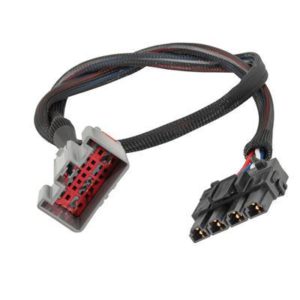
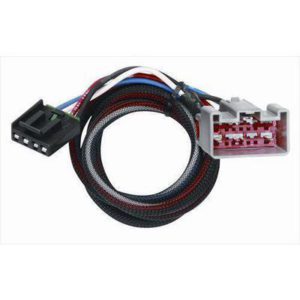
Trailer Brake Control Wire Harness
Redarc Tow-Pro Brake Controller Harness – TPH-005
- Connects Tow-Pro Elite or Tow-Pro Classic brake controllers to Ford and Lincoln factory towing connectors
- Fits 2008–2013 Ford F-250 and F-350 Super Duty and 2013–2014 Lincoln Navigator and Navigator L
- Plugs in behind the dash; part number RAETPH-005
- CARB EO Number A-2020-114
SKU: RAETPH-005 -
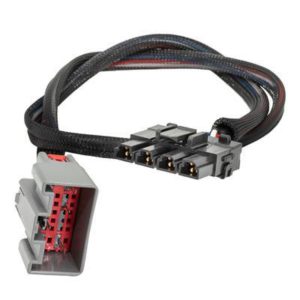
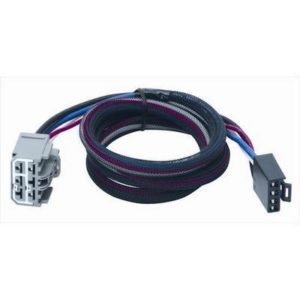
Trailer Brake Control Wire Harness
Redarc Tow-Pro Brake Controller Harness – TPH-007
- Plug-and-play brake controller harness for 2005-2018 Ford Expedition, F-150, F-250, F-350 and Flex
- Connects the Tow-Pro Elite or Tow-Pro Classic
- Installs to the factory towing package connector behind the dash
- CARB EO Number A-2020-114
SKU: RAETPH-007 -
Trailer Brake Control Wire Harness
Redarc Tow-Pro Brake Controller Harness – TPH-010
- REDARC TPH-010 Tow-Pro harness for Chevrolet and GMC factory towing package connectors
- Fits 2014–2018 Chevrolet Silverado and GMC Sierra 1500, plus 2015–2018 Suburban, Yukon and Yukon XL
- Connects Tow-Pro Elite or Tow-Pro Classic brake controllers
- CARB EO number A-2020-114
SKU: RAETPH-010 -
-
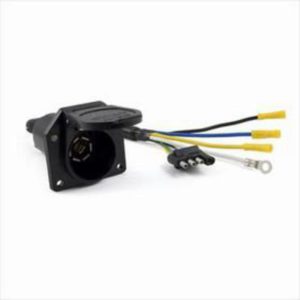
Trailer Wire Adapter
Tow Ready 6-Way Round To 4-Way Flat Adapter – 118700
- Tow Ready 6-Way Round to 4-Way Flat trailer light adapter
- Part number TOW118700
- Plug-and-play: plugs into the factory harness and has a pigtail for trailer lights
- Marked Universal Fit; no vehicle years, makes or models are listed
SKU: TOW118700 -
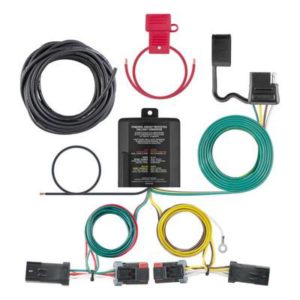
Trailer Wire Harness
Curt Custom Wiring Harness – 56344
- Fits the 2011–2016 Jeep Compass per the manufacturer fitment list
- Part number CRT56344, Curt custom 4-way flat wiring harness
- Plugs into the taillight assembly with no cutting or splicing
- Includes a powered tail light converter and rubber dust cover
- CURT Easy-Mount bracket mounts to the hitch receiver tube with no drilling
SKU: CRT56344 -
Trailer Wire Adapter
Curt Manufacturing 4-Way Flat To 7-Way Round RV Blade Wiring Adapter – 57184
- Curt Manufacturing 4-Way Flat To 7-Way Round RV Blade Wiring Adapter, part number CRT57184
- Installs on the towing vehicle with a 7-way round plug for trailer brakes
- Unplugs for a standard flat 4-way trailer; universal fit
SKU: CRT57184




Trailer wiring reference
Use these when wiring a socket, choosing an adapter or matching a controller harness. Always confirm with a tester before the first trip.
4-way flat wire colors
| White | Ground |
|---|---|
| Brown | Tail and running lights |
| Yellow | Left turn and stop |
| Green | Right turn and stop |
What adapters carry
| Carries | Leaves out | |
|---|---|---|
| 7-way RV to 4-way flat | Lights only | Brakes, charge, reverse |
| 6-way round to 4-way flat | Lights only | Brakes and aux circuits |
| 4-way flat to 7-way blade | Lights only | No brake signal is created |
| 2-way flat to 12 V outlet | Power and ground | All lighting circuits |
Redarc Tow-Pro harnesses listed
| TPH-005 | Ford and Lincoln factory tow plug |
|---|---|
| TPH-007 | 2005–2018 Expedition, F-150, F-250, F-350, Flex |
| TPH-010 | Cadillac, Chevrolet and GMC tow plug |
| TPH-018 | Adapts an existing Hopkins controller harness |
| TPH-020 | Dodge Ram tow package plug |
7-way RV blade circuits
- Ground
- Electric brakes (controller output)
- Tail and running lights
- Left turn and stop
- Right turn and stop
- 12 V battery charge line
- Reverse lights or auxiliary
Brake controller mounting
| Where it sits | Example | |
|---|---|---|
| Under-dash unit | Bracket below the dash | Tekonsha Prodigy, Reese Brakeman |
| Flush pocket | Pocket set into a panel | Tekonsha Prodigy pocket kit |
| Remote head | Knob in a switch panel | Redarc Tow-Pro switch insert |
| Plug-in mobile | At the 7-way socket | Curt Echo, set from a phone |
Breakaway kit parts
- Breakaway switch with pull pin and lanyard to the tow vehicle
- Onboard battery that powers the brakes if the trailer separates
- Charger that tops up the battery from the 7-way charge line
- Push-to-test button on some kits to check the battery
Colors can differ on older or rewired trailers. Test each circuit at the plug before splicing or trusting a color code.
All Brake Controllers & Electrical 118 parts
-
-
-
Trailer Wire Adapter
Tow Ready 6-Way Round To 4-Way Flat Adapter – 118700
- Tow Ready 6-Way Round to 4-Way Flat trailer light adapter
- Part number TOW118700
- Plug-and-play: plugs into the factory harness and has a pigtail for trailer lights
- Marked Universal Fit; no vehicle years, makes or models are listed
SKU: TOW118700 -
-
-
-
-
Trailer Brake Controlers
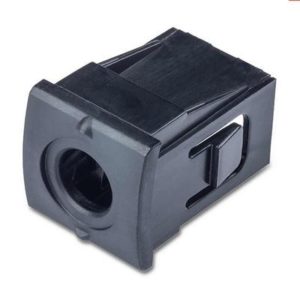
Redarc Tow-Pro Toyota Switch Insert Panel – TPSI-011
- Redarc Tow-Pro Toyota Switch Insert Panel, model TPSI-011, part number RAETPSI-011
- Replaces the switch blank in the front console of new Toyota vehicles
- Aids installation of Tow-Pro Elite and Tow-Pro Liberty brake controllers
SKU: RAETPSI-011


What belongs in this category
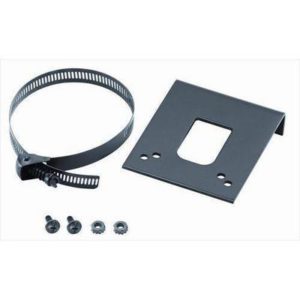
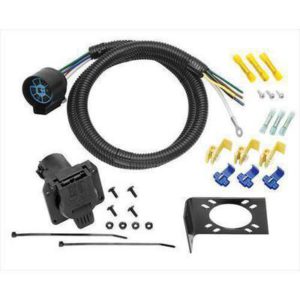
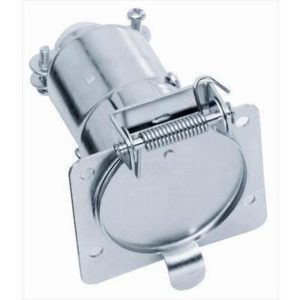
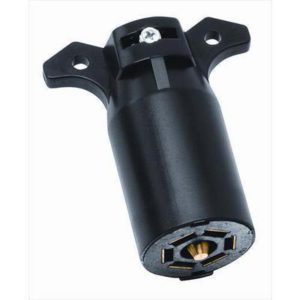
Trailer electrical covers everything between the tow vehicle and the trailer's lights and brakes. That includes brake controllers and their mounting brackets, vehicle-specific wiring harnesses, flat and round plug connectors, extension cables, T-connectors, circuit breakers, testers, dust covers and breakaway systems. A light trailer may need only a 4-way harness for tail, brake and turn lights, while a trailer with electric brakes needs a brake controller and a 7-way connection.
Connector types
- 4-way flat: tail lights, brake lights and turn signals for light utility trailers.
- 5-way flat: adds a fifth wire, often used for reverse lockout or auxiliary functions.
- 6-way and 7-way: add circuits for electric brakes, a battery charge line and reverse lights. Round 7-way blades are common on heavier trailers.
Confirm the plug on your trailer and the socket on your vehicle before choosing adapters.
Brake controllers
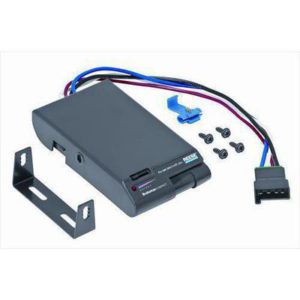
A brake controller sends a regulated signal to a trailer's electric brakes when you press the pedal. Time-delayed controllers apply a preset output after a delay, while proportional controllers sense deceleration and scale braking to match. Plug-in or vehicle-specific harnesses can make installation cleaner than splicing, and mounting brackets keep the controller within easy reach of the driver. Always follow the manufacturer's setup procedure and test braking at low speed before towing a load.
Wiring harnesses and converters
- Custom harnesses: plug into the vehicle's tail light circuit or an existing tow package connector with no cutting.
- T-connectors: splice lighting circuits without cutting factory wires.
- Converters: adapt a three-wire vehicle system to a separate trailer signal circuit.
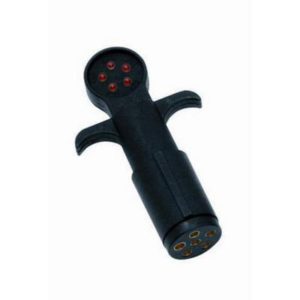
- Testers: a simple tester can confirm each circuit before a trip.
Safety and compatibility
Trailer brakes and lights are safety equipment, and laws on trailer brakes and breakaway systems vary by state and trailer weight. Check local regulations. A breakaway kit applies the trailer brakes if it separates from the tow vehicle, and its battery should be kept charged. Use wire and fuses rated for the load, secure connections against moisture, and keep plugs covered when not in use.
Harnesses are usually specific to model year and trim, so confirm fitment for your exact vehicle and the manufacturer's specifications. Then compare the products below.
Inspection routine before towing
Make a habit of checking the electrical connection every trip. Plug in the trailer, then have a helper confirm running lights, left and right turn signals and brake lights. Test the brake controller's manual lever to confirm the trailer brakes respond before you pull out. Look for frayed insulation, loose pins and corrosion in plug sockets, and apply a light coat of dielectric grease to the contacts.
Keep the connector off the ground when unhitched, and fit a dust cover so water and grit stay out. A small spare fuse kit and a tester are worth keeping in the glovebox.
Wire gauge matters as well. Brake circuits carry real current, so undersized wire can drop voltage and weaken braking. Follow the controller maker's gauge and fuse recommendations, keep wiring away from exhaust heat and moving parts, and use sealed or heat-shrink connections where moisture can reach them. Recheck connections periodically, since vibration loosens crimps over time.
Popular Brake Controllers & Electrical brands
- Curt Manufacturing (82)
- Redarc (14)
- Tekonsha (10)
- Tow Ready (8)
- Smittybilt (1)
- Rugged Ridge (1)
- B&M (1)
- Reese (1)
Brake Controllers & Electrical FAQ
Do I need a brake controller for my trailer?
If the trailer has electric brakes, yes, because the tow vehicle has to send them a signal. Trailers with surge brakes or no brakes do not use one. Check your trailer's braking type and your local rules.
What is the difference between a 4-way and 7-way connector?
A 4-way flat plug carries tail, brake and turn signals. A 7-way adds circuits for electric brakes, a charge line, reverse lights and auxiliary power, which suits heavier trailers and campers.
What does a breakaway kit do?
If the trailer separates from the tow vehicle, the breakaway switch pulls a pin and sends battery power to the trailer's brakes. The kit includes a battery, which must be kept charged to work when needed.
Can I install a plug-in wiring harness myself?
Many custom harnesses are plug-and-play and need no splicing, so they are within reach of a careful DIYer. Confirm the connector match, follow the instructions, and test lights and brakes before towing. A shop can help with controller wiring.