
Gooseneck trailer hitches and conversion components that mount in the bed of a pickup for heavy trailers. Most listings are from B&W Hitch, including turnover-ball hitches and center sections that fit specific GM and Ford truck applications, with Curt and DrawTite also listed. Confirm truck fitment and towing ratings, then open a product page for full details.
Gooseneck Trailer Hitch
Showing 1–12 of 34 resultsSorted by popularity
-
Gooseneck Trailer Hitch
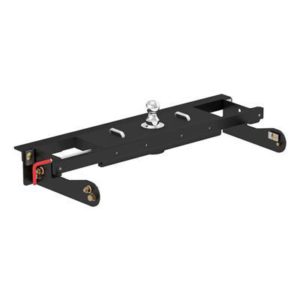
DrawTite Hide-A-Goose Gooseneck Head – 9464
- DrawTite Hide-A-Goose gooseneck head, part number DRA9464
- Mounts under the truck bed through a 3-1/2in. hole
- Ball sits upside down in the hitch when not in use
- Magnetic cover closes the bed hole
- No truck make, model or year given; fitment not confirmed
SKU: DRA9464 -
-
-
Gooseneck Trailer Hitch
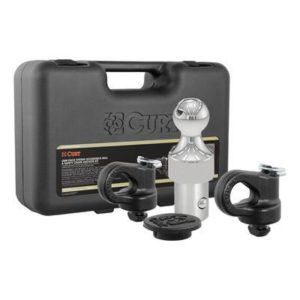
Curt Manufacturing OEM Puck System 2-5/16″ Gooseneck Kit – 60639
- Curt OEM puck system 2-5/16″ gooseneck kit, part number CRT60639
- Gooseneck ball rated for 38,000 lbs. GTW and 9,500 lbs. vertical load
- Requires the factory gooseneck OEM puck system on Chevy, GMC, Ford or Nissan trucks
- Includes gooseneck ball, safety chain loops, rubber hole cover and a storage case
SKU: CRT60639 -
-
-
Gooseneck Trailer Hitch

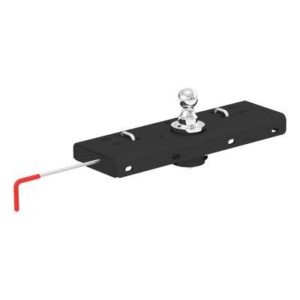
Curt Manufacturing Double Lock EZr Gooseneck Hitch Kit with Brackets – 60682
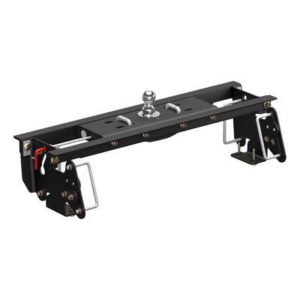 Gooseneck Trailer Hitch
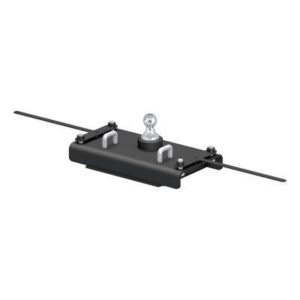
Curt Manufacturing Double Lock EZr Gooseneck Hitch Kit with Brackets – 60682
- Curt Double Lock EZr gooseneck hitch kit with brackets, part number CRT60682
- Rated for a gross trailer weight of 30,000 lbs. and tested to SAE J2638
- Installs with one person; no truck bed removal, welding or sheet metal cutting
- Flip-and-store 2-5/16″ trailer ball with chrome and rubber trim rings and a rubber hole cover
SKU: CRT60682 -
-
-
Gooseneck Trailer Hitch
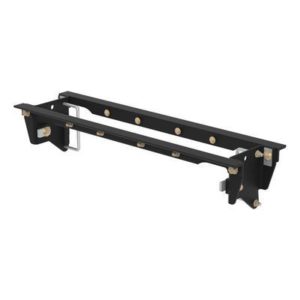
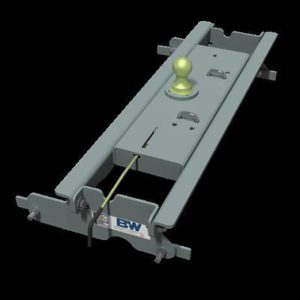
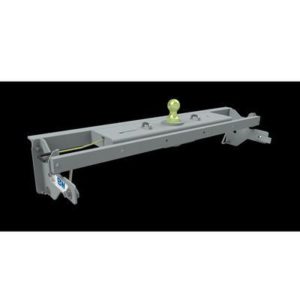
B&W Hitch Turnoverball Gooseneck Hitch – GNRK1019
- Turnoverball gooseneck hitch from B&W Hitch, part number GNRK1019
- Direct fit classification for listed 2019 to 2026 Chevrolet Silverado 1500 and GMC Sierra 1500 models
- Brand positions it for boats, horse trailers and RVs
SKU: BNWGNRK1019



How a gooseneck hitch works
A gooseneck hitch places a ball in the middle of the pickup bed, above or slightly ahead of the rear axle, and the trailer's neck couples to it from above. Putting the load over the axle lets a truck pull large livestock, flatbed and equipment trailers with better stability than a bumper hitch. It is common on heavy-duty one-ton trucks.
Turnover ball and other designs
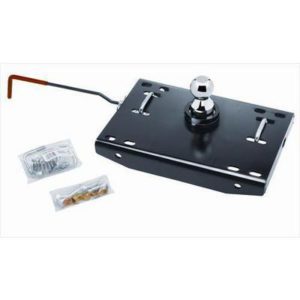
- Turnover-ball hitches have a ball that flips down or is removed, so the bed floor is flat when not towing. A listed B&W turnover ball hitch is this type.
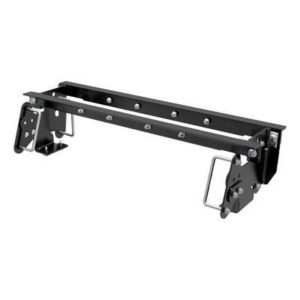
- Fixed or under-bed systems mount a rail system with a ball that stays in place.
- Center sections are the bed-mounted ball unit used with a vehicle-specific rail or installation kit, as in several B&W listings.
Ratings and fitment
Gooseneck hitches are rated by gross trailer weight and by pin weight, which is the downward load on the ball. Both ratings must exceed the real values for your trailer and cargo. Also check the truck's own tow rating, payload and axle ratings, because the hitch rating does not raise the vehicle's limits. Listings often name the year range and model, for example specific Sierra, Silverado or F-150 generations, so confirm fitment for your exact year, make, model, cab and bed.
- Check whether the kit requires drilling the bed floor and installing a rail or brackets.
- Confirm compatibility with factory bed accessories and spray-in liners.
- Look at the ball size, which is often 2-5/16 inch for gooseneck trailers.
- Note the weight capacity of the safety chain anchors.
Installation and safe towing
Installation involves drilling the bed and mounting a frame-connected installation kit. The hitch ties directly into your truck's frame, so professional installation is common. Torque all hardware to the manufacturer's specification. Use safety chains and the wiring harness, check brake controller settings and follow local rules about trailer brakes and licensing. Inspect pins, latches and the ball regularly for wear.
Pairing, inspection and mistakes
A complete gooseneck setup includes the hitch ball or coupler, safety chain anchors, a wiring connector and, for many trailers, a brake controller. Check that the trailer's coupler matches the ball style, and that its height lets the trailer ride level with the truck. A trailer that tilts nose-up or nose-down is harder to control and can overload an axle.
- Inspect the ball for pitting and flat spots, and the latch for smooth action.
- Check the bed for cracks around the cutout, and the rails or brackets for loose bolts.
- Do not tow without safety chains or a secured pin, since a coupler can pop off if not latched correctly.
- Lubricate moving parts and use a rated lubricant on the ball if the manufacturer recommends it.
Common mistakes include forgetting that the hitch rating is not the same as the truck's tow rating, overlooking the loss of bed space, and mismeasuring the bed height. Load the trailer so the pin weight stays inside the range recommended by the trailer and hitch makers. Practice hooking up and unhooking in a clear area before your first long trip, and check the lights and brakes each time.
Popular Gooseneck Trailer Hitch brands
Gooseneck Trailer Hitch FAQ
What is the difference between gooseneck and fifth wheel?
Both mount in the truck bed over the axle. A gooseneck uses a ball and coupler, while a fifth wheel uses a flat plate and kingpin. Gooseneck hitches take less bed space and are common for flatbed and livestock trailers.
Do I need to drill my truck bed for a gooseneck hitch?
Many installations require drilling a hole for the ball and mounting rail hardware. Some trucks have factory prep. Check the product description and instructions for your vehicle before starting.
What is pin weight?
Pin weight is the downward load a trailer puts on the hitch ball. It is often around 15 to 25 percent of the trailer weight for goosenecks. Make sure the hitch, axle and payload ratings cover it.
Can I use a gooseneck hitch on a half-ton truck?
Some hitches fit half-ton trucks, but trailer weights must stay within the truck's ratings, which are often lower than heavy-duty models. Confirm the vehicle's towing and payload capacity and the hitch specifications.