








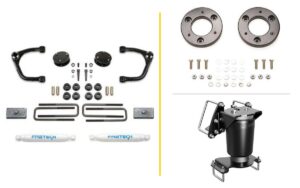
Leveling kit vs lift kit explained: factory rake, spacers and torsion keys, tire sizes at 2 to 3 inches, CV angles, towing, load leveling…
Load Leveling Kits & Components
Load leveling products support the rear of a truck or SUV when you carry cargo or tow a trailer. This branch of Towing includes air helper spring kits, rubber bump-style helpers, coil spring helpers and leaf spring helpers, plus mounting kits. AirLift, Supersprings, Timbren and ReadyLift appear in the listings. Check application, position and part numbers on each product page, then compare the products below.

A loaded camper shell, a heavy rear bumper or a trailer tongue can pull the back of a truck down and lift the front. Helper springs push back. This category covers air bags, rubber and SumoSpring helpers, leaf spring helpers and the spacers and brackets that fit them to lifted or stock rigs.
Air helper kits are more than half the listings, led by AirLift, and most let you set support with air pressure. Timbren SES units and SumoSprings need no air and no upkeep. SuperSprings add a steel leaf that takes over as the springs compress. Air spring spacers raise the lower bracket so a bag sits right on a lifted truck.
78Parts listed
7Brands
6Part types
42Air helper spring kits
800–6,000 lbsSuperSprings capacity
1.25–6"Air spring spacer sizes
Shop helper springs by type
Popular load leveling kits
-
Leaf Spring Helper
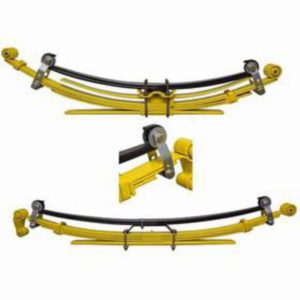
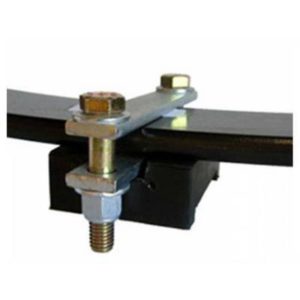
Supersprings SuperSprings – SSA19
- SuperSprings SSA19 leaf helper spring, part number SPRSSA19, for rear leaf springs
- Fits 2005–2013 Toyota Tacoma Base and Pre Runner trims
- Adjustable, with an 800-6000 lbs capacity range
- Installs above the rear leaf springs and works with the factory suspension
SKU: SPRSSA19 -
Load Leveling Kits & Components
Timbren Front Axle SES Suspension Upgrade – FF550SDH
- Front SES suspension upgrade for Ford F-350, F-450 and F-550 cab and chassis trucks
- Hollow rubber springs with a progressive spring rate
- Laser cut steel pieces, precision welded and powder-coated
- Manufacturer fitment list covers 2005–2019 Ford F-350 Super Duty
- Rubber spring system for the front application
SKU: T/IFF550SDH -
Leaf Spring Helper
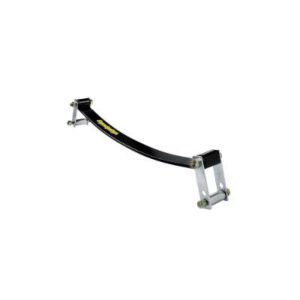
SuperSprings Leaf Helper Spring – SSA22.5
- SuperSprings leaf helper spring, part number SPRSSA22.5, for vehicles with rear leaf springs
- Fits Ford F-Series, E-350 and Super Duty, Chevrolet and GMC 3500, and Dodge Ram trucks from 1980 to 2021
- Made in the U.S.A. from SAE5160H high grade, shot peened steel
- Self-adjusting design described to level loads and reduce body roll
SKU: SPRSSA22.5 -
Load Leveling Kits & Components
Timbren Front Axle SES Suspension Upgrade – GMFK15A
- Timbren front axle SES suspension upgrade, part T/IGMFK15A
- Hollow rubber springs with a progressive spring rate
- Built for Chevrolet Silverado 1500 and GMC Sierra 1500 front suspension
- Confirm model year before ordering
SKU: T/IGMFK15A -
Load Leveling Kits & Components
Timbren Rear Axle SES Suspension Upgrade – FR1504R
- Rear SES suspension upgrade named for the Ford F-150 SVT Raptor 4×4 pickup
- Hollow rubber springs with a progressive spring rate
- Laser cut steel pieces, precision bent and powder-coated
- Replaces the jounce stop on the frame
- Confirm model years before ordering
SKU: T/IFR1504R -
Suspension Air Helper Spring Kit
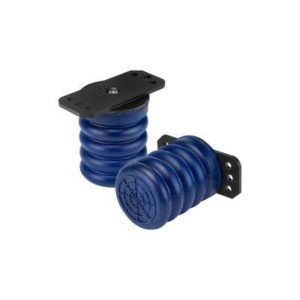
SuperSprings SumoSpring Air Helper Spring Set – SSR-406-47
- Fits the 1997–2006 Jeep Wrangler TJ and 2004–2006 Jeep Wrangler LJ per the manufacturer fitment list
- Sold as a left and right pair of rear SumoSprings
- Patented micro-cellular urethane, maintenance-free, with no air lines or compressors required
- 2500 lb capacity at 50% compression
- Compresses up to 80% of original height with full memory rebound
SKU: SPRSSR-406-47 -
Leaf Spring Helper /Load Leveler Mounting Kits
Supersprings Support Bracket Assembly – P3KT
- Supersprings support bracket assembly, part number P3KT
- Includes poly spring pads and hardware
- Fits 2011–2013 Ford F-250 and F-350 Super Duty in King Ranch, Lariat, Platinum, XL and XLT trims
- Suited to rough road use as an optional upgrade
SKU: SPRP3KT
Helper spring sizing reference
Firestone Ride-Rite spacers are picked by the distance between the upper and lower brackets. Measure at ride height with the vehicle on level ground.
Ride-Rite spacer by bracket gap
| Spacer | Bracket gap | |
|---|---|---|
| 2366 (axle or leaf mount) | 2" | 7.5–8.5" |
| 2368 (axle mount) | 3" | 8.5–9.5" |
| 2370 (leaf mount) | 4" | 9.5–10.5" |
| 2371 (axle mount) | 4" | 9.5–10.5" |
| 2373 (axle mount) | 5" | 10.5–11.5" |
| 2374 (leaf mount) | 6" | 11.5–12.5" |
| 2375 (axle mount) | 6" | 11.5–12.5" |
Setting up after install
- Measure rear fender height at the wheel center, empty
- Load the truck or hitch the trailer, then measure again
- Add support until the rear returns close to the empty height
- Check headlight aim with the load on
- Recheck fasteners and air fittings after the first long drive
Helper types compared
| Adjustable | Upkeep | |
|---|---|---|
| Air helper bags | Yes, by air pressure | Keep minimum pressure, check lines |
| Timbren SES rubber | No | None stated |
| SumoSprings | No | Maintenance-free per maker |
| SuperSprings leaf helper | Yes, per listing | Check clamps and pads |
Ratings from listings
| AirLift 1000 kits | Up to 1,000 lb leveling capacity |
|---|---|
| SuperSprings SSA7 / SSA19 / SSA20 | 800–6,000 lb capacity |
| SumoSprings SSR-406-47 (TJ rear) | 2,500 lb at 50% compression |
| SumoSprings travel | Compress to 80% of height, full memory |
| Timbren SPCRFF350SDC spacer kit | Up to 7.75" ride height adjustment |
| AirLift 52420 universal spacer | 2" |
Helper springs level the load; they do not change the vehicle's payload, towing or axle ratings. Pick parts by the exact part number and position, front or rear.
All Load Leveling Kits & Components 77 parts
-
Load Leveling Kits & Components
Timbren SES Suspension Enhancement System – Rear – TORTUN4
- Timbren T/ITORTUN4 rear SES Suspension Enhancement System for Toyota Tacoma, Tundra and Nissan Titan pickups
- Rated at 6000 lbs capacity
- Fitment list gives specific years and trims for each model
- Replaces the jounce stop on the frame and the Tundra bumpstops
SKU: T/ITORTUN4 -
Load Leveling Kits & Components
Timbren SES Suspension Enhancement System – Rear – GMRCK25D
- Timbren T/IGMRCK25D rear SES Suspension Enhancement System for 2011-2021 GMC Sierra and Chevy Silverado 2500HD and 3500HD trucks
- Fitment field reads Universal Fit; no separate vehicle list is given
- Rated at 8600 lbs capacity
- Replaces the bumpstops and the jounce stop on the frame
SKU: T/IGMRCK25D -
Load Leveling Kits & Components
Timbren SES Suspension Enhancement System – Rear – GMRCK15S
- Timbren T/IGMRCK15S rear SES Suspension Enhancement System for Chevrolet Silverado 1500 and GMC Sierra 1500 pickups
- Rated at 8600 lbs capacity
- Hollow rubber springs that add resistance as weight rises
- Precision bent steel pieces, powder-coated
SKU: T/IGMRCK15S -
Load Leveling Kits & Components
Timbren SES Suspension Enhancement System – Rear – DR1500DQ
- Timbren DR1500DQ rear SES Suspension Enhancement System for 2012 and 2017–2021 Ram 1500 trucks, with the trims on the manufacturer list
- Rated at 8600 lbs capacity
- Replaces the bumpstops on the rear suspension
- Not compatible with Auto-Air levelling
SKU: T/IDR1500DQ -
Load Leveling Kits & Components
Timbren Rear Axle SES Suspension Upgrade – TORTUN4L
- Timbren T/ITORTUN4L rear SES Suspension Upgrade for Toyota Tacoma with OEM 3 leaf rear springs, plus Nissan Titan and Frontier
- Fitment field reads Universal Fit, and no model years are given
- Hollow rubber springs that stiffen under weight to resist rear end sag
- Welded, powder-coated steel pieces that replace the jounce stop on the frame
SKU: T/ITORTUN4L -
Load Leveling Kits & Components
Timbren Rear Axle SES Suspension Upgrade – TORTTNL
- Timbren Rear Axle SES Suspension Upgrade, part number T/ITORTTNL
- Rear rubber spring kit for the Toyota Tacoma pickup truck
- Rated at 5000 lbs capacity; GVWR is not increased
- Replaces the jounce stop on the frame
- No model years listed, so confirm fit for your truck
SKU: T/ITORTTNL -
Load Leveling Kits & Components
Timbren Rear Axle SES Suspension Upgrade – GMRCCA
- Timbren T/IGMRCCA rear SES Suspension Upgrade for Chevrolet Colorado and GMC Canyon pickups
- Fitment field reads Universal Fit, and no model years are given
- Hollow rubber springs with a rate that rises under towing and bed loads
- Laser cut steel pieces, powder-coated; replaces the jounce stop on the frame
SKU: T/IGMRCCA -
Load Leveling Kits & Components
Timbren Rear Axle SES Suspension Upgrade – FR1504R
- Rear SES suspension upgrade named for the Ford F-150 SVT Raptor 4×4 pickup
- Hollow rubber springs with a progressive spring rate
- Laser cut steel pieces, precision bent and powder-coated
- Replaces the jounce stop on the frame
- Confirm model years before ordering
SKU: T/IFR1504R -
Load Leveling Kits & Components
Timbren Rear Axle SES Suspension Upgrade – DR1500DS
- Rear SES suspension upgrade named for Ram 1500 Regular Cab pickup trucks
- Hollow rubber springs with a progressive spring rate
- Replaces the jounce stop on the frame
- Calls for a 1/2 in to 1-1/2 in gap between the rubber spring and axle
- Confirm model years against your truck before ordering.
SKU: T/IDR1500DS -
Load Leveling Kits & Components
Timbren Front Axle SES Suspension Upgrade – GMFK25S
- Front axle rubber spring upgrade for Chevrolet Silverado and GMC Sierra 1500, 2500 and 3500
- Hollow rubber springs, progressive spring rate
- Years not listed; confirm your vehicle before ordering
- Part number T/IGMFK25S
SKU: T/IGMFK25S -
Load Leveling Kits & Components
Timbren Front Axle SES Suspension Upgrade – GMFK15A
- Timbren front axle SES suspension upgrade, part T/IGMFK15A
- Hollow rubber springs with a progressive spring rate
- Built for Chevrolet Silverado 1500 and GMC Sierra 1500 front suspension
- Confirm model year before ordering
SKU: T/IGMFK15A -
Load Leveling Kits & Components
Timbren Front Axle SES Suspension Upgrade – FF550SDH
- Front SES suspension upgrade for Ford F-350, F-450 and F-550 cab and chassis trucks
- Hollow rubber springs with a progressive spring rate
- Laser cut steel pieces, precision welded and powder-coated
- Manufacturer fitment list covers 2005–2019 Ford F-350 Super Duty
- Rubber spring system for the front application
SKU: T/IFF550SDH
What load leveling products do
When a trailer tongue or heavy cargo sits behind the rear axle, the back of the vehicle squats and the nose rises. That changes steering feel, headlight aim and braking. Helper springs add support to the existing suspension to reduce sag. They do not raise the rated capacity of the vehicle, and tow ratings, payload and hitch limits stay as the manufacturer states.
Main types
- Air helper springs: air bags that sit inside coil springs or beside leaf springs. The pressure can be raised for loads and lowered when empty, and some kits include an onboard compressor or inflation valves.
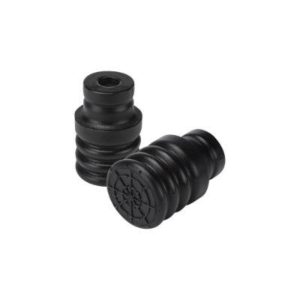
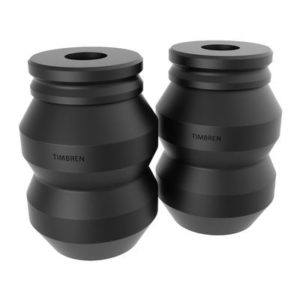
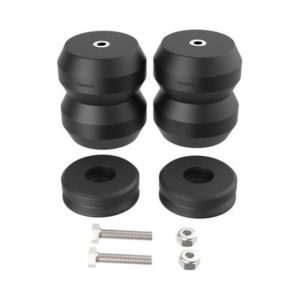
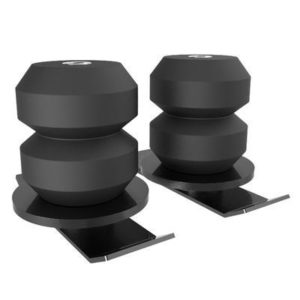
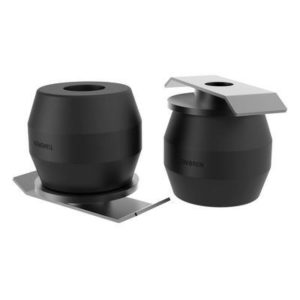
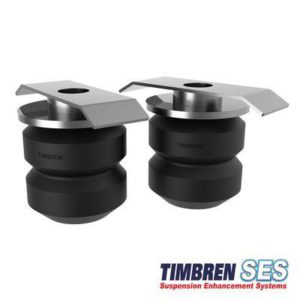
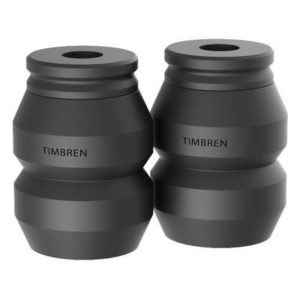
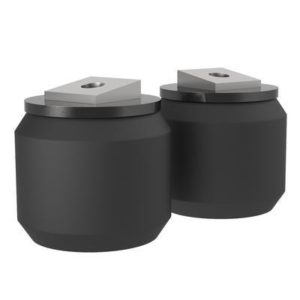
- Rubber or polyurethane helpers: systems such as Timbren SES use a spring-like rubber unit that adds support without air or maintenance and can be fitted front or rear.
- Leaf spring helpers: steel helper leaves that add stiffness once the load compresses the springs.
- Coil spring helpers: add-on units that work inside or around coil springs.
Choosing a system
Consider how often you tow or haul. Adjustable air systems suit variable loads, while fixed rubber units are simple for steady use. Look at the maximum load or capacity rating, air pressure range, and whether the kit is vehicle specific. Check the listing for position: front or rear, and whether it suits 2WD or 4WD. Note claims such as no-drill installation and expected install time, and expect actual time to vary by vehicle and experience.
Installation and maintenance
Support the vehicle on jack stands and follow the instructions to route air lines away from heat, sharp edges and exhaust parts. Leak test air fittings with soapy water. Keep minimum air pressure in bags as the maker specifies, even when unloaded, and never exceed the maximum rating. Since suspension is safety related, use professional installation if you are not confident.
Think about the whole towing setup. Helper springs address sag, but they do not replace a properly rated hitch, a weight-distributing hitch where needed, trailer brakes or correct tire pressures. Tongue weight, usually around ten to fifteen percent of the trailer weight for conventional trailers, has a large effect on how much the rear squats, so check it with a scale and stay inside the limits in your owner's manual.
Some systems also help off the highway. Rubber units stay out of the way of the axle and keep working without maintenance, and add resistance near the end of the travel, which some drivers like for carrying a camper or heavy bumper. Air systems let you drop pressure for comfort when empty. Whichever you choose, check clearance to the exhaust, brake lines and driveshaft, and look over the mounts and fittings after the first few trips and periodically after that. If your vehicle already has an aftermarket lift or air springs, confirm the helper system is compatible with it.
Also check your owner's manual for the gross axle weight rating, since helper springs do not change it. If the rear axle is already at its limit with a load, the correct fix is to reduce weight, not to add support. Re-inspect the installation after the first loaded trip, looking for rubbing on brake lines, wiring, the exhaust or the tires, and confirm that bolts remain tight.
Compatibility
Kits are matched to specific vehicles and axle positions. Confirm your exact year, make, model and drivetrain and review the manufacturer's specifications before choosing a product below.
Related guides
- Leveling Kit vs Lift Kit: What 3 Inches Really Gets You
Popular Load Leveling Kits & Components brands
Load Leveling Kits & Components FAQ
Does a load leveling kit increase my towing capacity?
No. Helper springs improve ride height and stability under load, but they do not change the tow rating, payload rating or hitch limits set by the vehicle manufacturer. Always stay within the published ratings for your vehicle and trailer.
What is the difference between air springs and rubber helper springs?
Air springs can be adjusted by changing air pressure to suit the load, while rubber helpers like Timbren units are fixed, need no air system and are simple to maintain. The choice depends on how variable your loads are.
How much air pressure should I run in air helper springs?
Follow the maker's instructions for minimum and maximum pressure. Keep a minimum amount in the bags even when unloaded, add air to level the vehicle under load, and never go beyond the stated maximum.
Can I install a load leveling kit myself?
Many kits are marketed as bolt-on and no-drill, and mechanically inclined owners often install them. Because suspension is safety related, follow the instructions and torque specifications closely, or use a professional if you are unsure.