







Dana 30 vs Dana 44 vs Dana 60: how to identify the axle under your Jeep or truck, what each one handles, and when…
Dana 44 Axle Parts, Axles, Gears, and Modifications
Showing 13–24 of 469 resultsSorted by popularity
-
-
-
Dana 44 Miscellaneous Parts
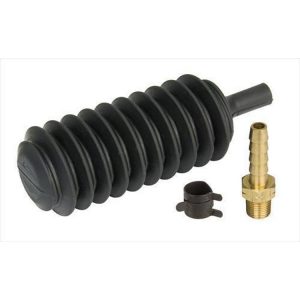
Trail Gear Differential Creeper Breather Kit – 140207-1-KIT
- Trail Gear 140207-1-KIT differential creeper breather kit with housing fitting, clamp and bellows
- Keeps dirt, debris and water out of the axle through the stock housing breather
- Universal fit, not made for one specific vehicle
- UPC 70000621466
SKU: TGI140207-1-KIT -
Dana 44 Differential Covers
Poison Spyder Dana 44 Bombshell Differential Cover – 42-11-044
- Dana 44 differential cover cast from ductile nodular iron
- Bare steel finish with recessed bolt heads
- Ramp profile that helps a Jeep slide over rocks
- Bolt-ring section up to 1 inch thick
- Part number 42-11-044
SKU: PSC42-11-044 -
Dana 44 Differential Covers
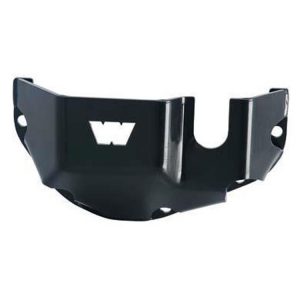
Warn Dana 44 Black Differential Skid Plate – 65447
- Protects the differential cover from rocks and trail debris
- Closed-shape design slides over obstacles without snagging
- Made from 3/16-inch steel, stainless or black powder coat
- Fits Dana 44 and Dana 44 JK front and rear axles
SKU: WAR65447 -
Dana 44 Differential Covers
Warn Dana 30 Black Differential Skid Plate – 65443
- Differential skid plate in 3/16-inch steel, stainless or black powder coat
- Angled for a tight fit, closed design slides over obstacles
- Fits high and standard pinion covers
- Listed by axle type: Dana 25, 27, 30 variants, front and rear
SKU: WAR65443 -
Dana 44 Hubs and Spindles
Warn Premium Manual Locking Hubs (Chrome ) – 20990
- Manual locking hub for 19-spline outer axle shafts
- All metal construction with zinc aluminum alloy dial
- Fits most 1/2 and 3/4 ton Dana 44 and GM 10 bolt axles
- Chrome finish with limited lifetime warranty
- Part number 20990
SKU: WAR20990 -
Dana 44 Ball Joints
TeraFlex Dana 30/Dana 44 JK HD Ball Joint Set With Knurl – 3442022
- Set of four ball joints (two upper, two lower) for JK Dana 30 and Dana 44 axles, with knurl, part number 3442022
- Knurl for loose-fitting inner knuckles
- 4140 chrome moly ball and stud, sintered upper bushing
- Fits 2007–2015 Jeep Wrangler JK models
SKU: TER3442022 -
Dana 44 Ball Joints
TeraFlex Dana 30/Dana 44 JK HD Ball Joint Set Without Knurl – 3442002
- Set of four ball joints (two upper, two lower) for JK Dana 30 and Dana 44 axles, without knurl, part number 3442002
- 4140 chrome moly ball and stud, sintered bushing, high carbon spring
- Without knurl for tight knuckle bores
- Fits 2007–2015 Jeep Wrangler JK models
SKU: TER3442002 -
Dana 44 Ball Joints
TeraFlex Heavy Duty Dana 44/30 Ball Joint Kit with Knurl – 3440020
- Upper and lower ball joint kit with knurl for JK Dana 30 and Dana 44 axles, part number 3440020
- Knurled for loose-fitting knuckles
- Direct replacement for 2007–2011 and most 2012 models
- Late 2012 and newer models need modification before installing
SKU: TER3440020 -
Dana 44 Ball Joints
TeraFlex Dana 30/Dana 44 JK HD Ball Joint Pair Without Knurl – 3440000
- Upper and lower ball joint kit for JK Dana 30 and Dana 44 axles, without knurl, part number 3440000
- Sintered upper bushing and threaded lower top cap for preload
- Direct replacement for 2007–2011 and most 2012 models
- Late 2012 and 2013-and-newer JK models need grinding on the stub shaft
SKU: TER3440000 -
Hub Conversions
TeraFlex Rear 8-Lug Full Float Conversion Kit – 3043200
- Rear full float conversion kit for Dana 44 Rubicon axles, part number 3043200
- Fits 2007–2018 Jeep Wrangler JK, Rubicon and Unlimited models
- Forged 4140 chromoly spindles and 4340 chromoly shafts
- 13.5-inch slotted performance rotor and anchor bracket included
- 8-lug wheel pattern; does not retain the factory bolt pattern
SKU: TER3043200
About the Dana 44
The Dana 44 is a popular medium-duty axle used in Jeeps, Ford trucks and Broncos, and other 4x4s, front or rear, and it is a common base for upgrades. Variants differ by spline count, housing, and mounting, so identify your axle carefully before ordering anything. The tag on the housing, the spline count, and the vehicle application are the starting points.
Parts here span routine maintenance items like seals and bearings through full gear and locker upgrades.
Gearing and differentials
Ring and pinion sets are chosen by ratio, such as 4.10, 4.56, or 5.13, usually to compensate for larger tires. Front and rear ratios must match, and sets should be installed with a master installation kit containing bearings, shims, and seals. Gear setup requires correct pinion depth and backlash measurements.
- Lockers and spools lock both wheels together for maximum traction.
- Limited slip units share torque between wheels while allowing some difference in speed.
- Open differential parts support rebuilds of the stock design.
Shafts, hubs, and wear parts
Axle shafts must match spline count and length, and some models need ABS tone rings or particular flange designs. Hubs, spindles, and ball joints wear with miles and trail use, and seals and bearings should be replaced together to protect the new components. U-joints and yokes need to match the shaft and driveline series.
Check the axle ratio, spline count, and brake configuration before purchasing any internal parts.
Installation guidance
Axle work is safety critical. Gear setup requires special tools and experience, and incorrect setup can cause noise and failure. Use jack stands, torque fasteners to specification, fill with the correct gear oil, and break in new gears gently. Professional installation is recommended for ring and pinion and locker work. Confirm fitment for your exact year, make, and model, and check the manufacturer's specifications.
Preparing for an axle project
Plan the project before tearing anything down. Identify the axle and its ratio, decide which parts to replace, and gather seals, bearings, gear oil, thread locker, and RTV or gaskets. Mark the driveshaft and carrier caps and keep parts organized.
Check axle housing straightness, tube condition, and mounting brackets. Many people upgrade axle shafts, lockers, and gears at the same time, because the housing is already open. Fill with the specified oil and drive gently for the first few hundred miles.
Spline count and axle shaft length are two of the first measurements to confirm. Dana 44 shafts come in different spline counts, and the inner and outer shafts on a front axle are different lengths on each side. Check the U-joint series, hub bolt pattern, and brake rotor mounting before choosing shafts.
Ring gear size, carrier break, and the pinion design also vary. Front and rear ring and pinion sets are not interchangeable, and a standard-rotation unit differs from a reverse-rotation unit found in some Jeep front axles. Carrier bearings and shims must be selected to suit the carrier you use.
Gear oil, additives, and limited slip friction modifiers all matter. Limited slip units often need a friction modifier, and lockers may need a particular type of oil. Check the oil level at each service, look for metal in the drain plug, and replace seals at the first sign of leaks to protect the brakes.
Related guides
- Dana 30 vs Dana 44 vs Dana 60: Which Axle Is Under Your Jeep or Truck, and When to Upgrade
- First SUV: The International Harvester Scout 80 Story
The first SUV wasn't a Jeep. See how the International Harvester Scout 80 came to be, how the Scout 800 and Scout II followed,…
- Is Your Dana 44 Vent Destroying Your Axle?
Learn how a Dana 44 axle vent works, which vent locations let water into the gear oil, and how to add a top-mounted breather…
Popular Dana 44 Axle Parts, Axles, Gears, and Modifications brands
- G2 Axle and Gear (178)
- Dana Spicer (93)
- Crown Automotive (58)
- Omix-Ada (35)
- Alloy USA (33)
- ARB 4x4 Accessories (13)
- TeraFlex (9)
- Auburn Gear (7)
- Detroit Locker (6)
- Rubicon Express (6)
- RCV Axles (4)
- Jeep (4)
Shop Dana 44 Axle Parts, Axles, Gears, and Modifications by type
- Dana 44 Axle Shafts (84)
- Dana 44 Ring and Pinion (68)
- Dana 44 Bearings and Install Kits (63)
- Dana 44 Oil Seals (56)
- Dana 44 Complete Assemblies (38)
- Dana 44 Differential Covers (31)
- Dana 44 Miscellaneous Parts (31)
- Dana 44 Hubs and Spindles (26)
- Dana 44 Lockers and Spools (26)
- Dana 44 Ball Joints (18)
- Dana 44 Drive Yokes and Flanges (13)
- Dana 44 U-Joints (9)
- Dana 44 Limited Slip Differentials and Parts (9)
- Dana 44 Open Differential Parts (7)
Dana 44 Axle Parts, Axles, Gears, and Modifications FAQ
How do I identify a Dana 44?
Look for a tag on the axle housing, a cover shape and bolt count, and the vehicle application. Spline count and ring gear diameter can be measured. Dana 44 variants differ, so verify before ordering parts.
What gear ratio should I choose?
Pick a ratio that restores performance with your tire size. Larger tires often call for numerically higher ratios, like 4.56 or 5.13, and front and rear ratios must match. Engine, transmission, and use all matter.
Do I need a master install kit?
It is strongly recommended with new gears. The kit includes bearings, seals, and shims needed to set pinion depth and backlash correctly. Reusing worn bearings can hurt gear life.
Can I install gears myself?
Only if you have the tools and experience. Setting pinion depth and backlash is precise work, and mistakes damage new gears. Many owners use a professional shop for ring and pinion installations.