
Front and rear drive shafts for Jeeps, including CV and non-CV designs, stock-length and extended versions for lifted vehicles, and 1310 and 1350 series assemblies. This category is for drivetrain repairs and upgrades after a lift. Brands include G2 Axle and Gear, J.E. Reel, Rough Country and Dana Spicer. Open a product page for position and transmission notes, then compare the products below.
Drive Shafts
Showing 1–12 of 23 resultsSorted by popularity
-
Drive Shafts, Drive Shafts & Drive Shaft Components, Drivetrain & Differential

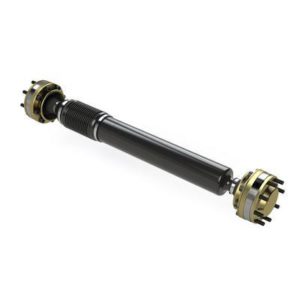
TeraFlex High-Angle Rzeppa CV Rear Drive Shaft – 4612362
 Drive Shafts, Drive Shafts & Drive Shaft Components, Drivetrain & Differential
TeraFlex High-Angle Rzeppa CV Rear Drive Shaft – 4612362
- High-angle Rzeppa CV rear driveshaft for 2012–2018 Jeep Wrangler JK two-door
- Carbon steel tube, laser welded at 2-3/8 inch diameter
- Built for lifts of 3 inches or more
- Extended length, direct fit
- Part number TER4612362
SKU: TER4612362 -
Drive Shafts, Drive Shafts & Drive Shaft Components, Drivetrain & Differential
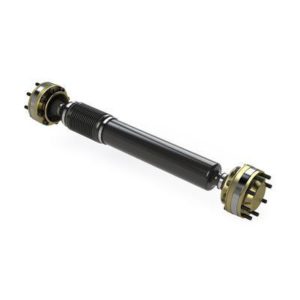
TeraFlex High-Angle Rzeppa CV Rear Drive Shaft – 4612302
 Drive Shafts, Drive Shafts & Drive Shaft Components, Drivetrain & Differential
TeraFlex High-Angle Rzeppa CV Rear Drive Shaft – 4612302
- Rear CV driveshaft with a high-angle Rzeppa joint for lifted JK models
- Laser-welded 2-3/8 inch carbon steel tubing
- Zeroed out at assembly, no balance weights needed
- Designed for lifts of 3 inches or more
- Part number TER4612302
SKU: TER4612302 -
Drive Shafts, Drive Shafts & Drive Shaft Components, Drivetrain & Differential

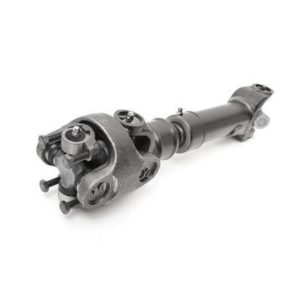
Rough Country Rear CV Drive Shaft (4-6″ Lift) – 5080.1
 Drive Shafts, Drive Shafts & Drive Shaft Components, Drivetrain & Differential
Rough Country Rear CV Drive Shaft (4-6″ Lift) – 5080.1
- Rear double cardan CV driveshaft for TJ and YJ lifts
- Fits 1997–2002 and 2005–2006 Wrangler TJ, 1987–1993 Wrangler YJ
- Slip yoke eliminator required
- Not for Rubicon models
- Part number R/C5080.1
SKU: R/C5080.1 -
Drive Shafts, Drive Shafts & Drive Shaft Components, Drivetrain & Differential
Rough Country Rear CV Drive Shaft (4-6″ Lift) – 5074.1
 Drive Shafts, Drive Shafts & Drive Shaft Components, Drivetrain & Differential
Rough Country Rear CV Drive Shaft (4-6″ Lift) – 5074.1
- Rear double cardan CV driveshaft for 4 to 6 inch lifts
- Jeep Wrangler TJ with Dana 44 rear axle and manual transmission
- Slip yoke eliminator required
- Not for Rubicon or Unlimited models
- Part number R/C5074.1
SKU: R/C5074.1 -
Drive Shafts, Drive Shafts & Drive Shaft Components, Drivetrain & Differential
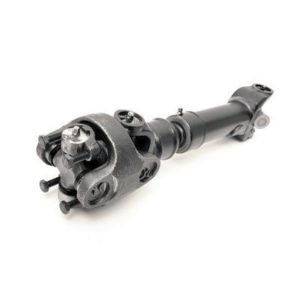
Rough Country Rear CV Drive Shaft (4″ Lift) – 5087.1
 Drive Shafts, Drive Shafts & Drive Shaft Components, Drivetrain & Differential
Rough Country Rear CV Drive Shaft (4″ Lift) – 5087.1
- Rear CV driveshaft for 1994–1995 Jeep Wrangler YJ
- Double cardan style, recommended for 4-inch lifts
- Prevents driveline vibration and rear output shaft breakage
- Extended length, direct fit
- Slip yoke eliminator required
SKU: R/C5087.1 -
Drive Shafts, Drive Shafts & Drive Shaft Components, Drivetrain & Differential
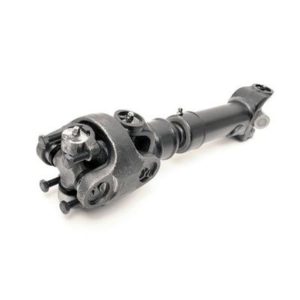
Rough Country Rear CV Drive Shaft – 5084.1
 Drive Shafts, Drive Shafts & Drive Shaft Components, Drivetrain & Differential
Rough Country Rear CV Drive Shaft – 5084.1
- Rear CV driveshaft for 1984–2001 Jeep Cherokee XJ
- Double cardan style, recommended for 4 to 6 inch lifts
- Prevents driveline vibration and rear output shaft breakage
- Automatic transmission models
- Slip yoke eliminator required
SKU: R/C5084.1 -
Drive Shafts, Drive Shafts & Drive Shaft Components, Drivetrain & Differential
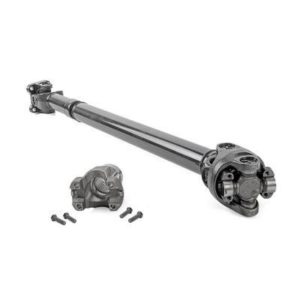
Rough Country Front CV Drive Shaft – 5090.1A
 Drive Shafts, Drive Shafts & Drive Shaft Components, Drivetrain & Differential
Rough Country Front CV Drive Shaft – 5090.1A
- Front CV driveshaft for 2018–2026 Jeep Wrangler JL
- Designed for JL lifts of 3.5 inches or more
- Corrects driveshaft damage at full droop
- Fits Dana 30 front axle models
- Part number R/C5090.1A
SKU: R/C5090.1A -
Drive Shafts, Drive Shafts & Drive Shaft Components, Drivetrain & Differential
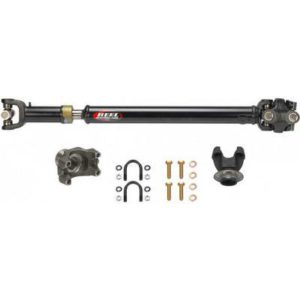
J.E. Reel 1350 Rear Drive Shaft for M220/Dana 44 (8 Speed Automatic Transmission) – 3518JLR-4R
 Drive Shafts, Drive Shafts & Drive Shaft Components, Drivetrain & Differential
J.E. Reel 1350 Rear Drive Shaft for M220/Dana 44 (8 Speed Automatic Transmission) – 3518JLR-4R
- Rear driveshaft for 2019 Jeep Wrangler JL Unlimited, 8-speed automatic
- Built for the M220 and Dana 44 driveline
- 1350 CV joint, maximum angle under 32 degrees
- Direct fit, rear position
- Part number JER3518JLR-4R
SKU: JER3518JLR-4R -
Drive Shafts, Drive Shafts & Drive Shaft Components, Drivetrain & Differential
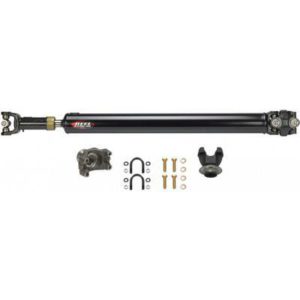
J.E. Reel 1350 OE Replacement Rear Drive Shaft (Automatic Transmission) – 3518JL-4R
 Drive Shafts, Drive Shafts & Drive Shaft Components, Drivetrain & Differential
J.E. Reel 1350 OE Replacement Rear Drive Shaft (Automatic Transmission) – 3518JL-4R
- Rear driveshaft for 2019 Jeep Wrangler JL two-door, automatic transmission
- Stock to 2 1/2-inch lift, tires up to 33 inches for mild use
- 1350 platform, original-equipment design
- Extended length, direct fit
- Part number JER3518JL-4R
SKU: JER3518JL-4R -
Drive Shafts, Drive Shafts & Drive Shaft Components, Drivetrain & Differential
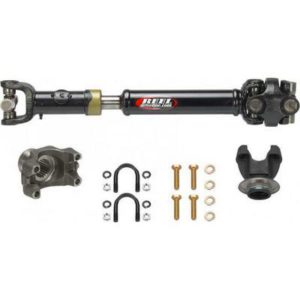
J.E. Reel 1350 Front Drive Shaft for M186/Dana 30 (8 Speed Automatic Transmission) -3518JL-24FFT
 Drive Shafts, Drive Shafts & Drive Shaft Components, Drivetrain & Differential
J.E. Reel 1350 Front Drive Shaft for M186/Dana 30 (8 Speed Automatic Transmission) -3518JL-24FFT
- Front driveshaft for 2019 Jeep Wrangler JL Unlimited, 8-speed automatic
- Built for the M186 and Dana 30 driveline
- 1350 CV joint, maximum angle under 32 degrees
- Direct fit, front position
- Part number JER3518JL-24FFT
SKU: JER3518JL-24FFT -
Drive Shafts, Drive Shafts & Drive Shaft Components, Drivetrain & Differential
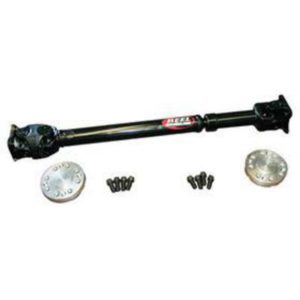
J.E. Reel 1310 Replacement Front Drive Shaft – 31JK-OE-24F
 Drive Shafts, Drive Shafts & Drive Shaft Components, Drivetrain & Differential
J.E. Reel 1310 Replacement Front Drive Shaft – 31JK-OE-24F
- Replacement front shaft for 2007–2011 Jeep Wrangler JK Unlimited
- Heavy-duty 1310 series, designed for tires up to 35 inches
- Stock length, non-CV design
- No slip yoke eliminator required
- Part number JER31JK-OE-24F
SKU: JER31JK-OE-24F -
Drive Shafts, Drive Shafts & Drive Shaft Components, Drivetrain & Differential
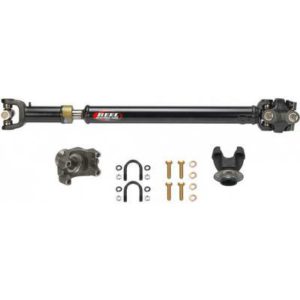
J.E. Reel 1310 Heavy Duty Rear Drive Shaft (Manual Transmission) – 3118JL-2RM
 Drive Shafts, Drive Shafts & Drive Shaft Components, Drivetrain & Differential
J.E. Reel 1310 Heavy Duty Rear Drive Shaft (Manual Transmission) – 3118JL-2RM
- Heavy-duty 1310 rear driveshaft for manual transmission
- Built for mild use with tires up to 35 inches
- Joint angle limits: 1310 CV under 26 degrees, 1350 CV under 32 degrees
- Extended length, rear position
- Part number JER3118JL-2RM
SKU: JER3118JL-2RM
What a drive shaft does
The drive shaft carries engine torque from the transfer case to the front and rear axles. It must tolerate changing angles and length as the suspension moves, which is why it has U-joints or CV joints and a slip section. Lifting a vehicle changes those angles and lengths, so the stock shaft may vibrate or bind.
CV or non-CV
- **Non-CV shafts.** Use standard U-joints at both ends. Simple and sturdy, but sensitive to steep angles.
- **CV shafts.** Use a constant-velocity joint at one end, often the transfer case, to run smoother at higher angles. Many lifted vehicles use CV designs for the rear. A CV shaft can need a slip yoke eliminator at the transfer case, and some listings note whether one is required.
- **High-angle designs.** Some shafts, like Rzeppa types, are made for steep lift angles.
Specs to compare
- **Position.** Front or rear, and on two-door and four-door models the lengths differ.
- **Length.** Stock or extended. Lift kits often list the lift height a shaft suits, for example 4 to 6 inches.
- **U-joint series.** Sizes such as 1310 and 1350 relate to strength. A heavier series suits larger tires and higher torque, but it must match the yoke at each end.
- **Transmission type.** Manual and automatic setups can use different shafts, as listed in many G2 and J.E. Reel titles.
- **Axle.** Shafts are listed for particular front axles, such as Dana 30, Dana 44 or Dana 60 assemblies.
- **Slip yoke eliminator.** Needed with some CV rear shafts, so check whether it is required and included.
Fitment and installation
Fitment is vehicle specific, so confirm your exact year, make, model, wheelbase, transmission, axle and lift height. Many shaft listings mention a model generation, such as JK or JL. Compare against the manufacturer's specifications.
Support the vehicle on jack stands, mark the shaft and flange positions to keep balance, replace worn U-joints, and torque the fasteners to specification. Check pinion angle and driveline phasing after the lift, because incorrect angles cause vibration and early joint wear. A balanced, correctly phased shaft matters, as a failed shaft can be dangerous. If you are unsure about driveline geometry, have a professional installer set it up.
To measure for a replacement, record the length from yoke to yoke (or flange to flange) at normal ride height, the joint series, and the spline count at the slip end. Compare the flange or yoke style with the transfer case and axle. For lifted vehicles, measure at both full droop and full compression to see whether the shaft stays within its slip range.
Related parts include U-joints, yokes, a slip yoke eliminator, a carrier bearing on some models, and shims to correct pinion angle. Common mistakes are mounting the shaft out of phase, ignoring the pinion angle after a lift, and dropping the shaft in a way that dents the tube. Maintenance includes greasing the fittings if the shaft has them, checking for play in the joints, and watching for vibration at speed. Balance matters, so avoid damaging the weights and have shafts balanced if you notice a shake.
Popular Drive Shafts brands
- G2 Axle and Gear (7)
- J.E. Reel (5)
- Rough Country (5)
- Dana Spicer (3)
- TeraFlex (2)
- Point Spring And Drive Shaft Co. (1)
Drive Shafts FAQ
When do I need a new drive shaft after a lift?
When the lift changes the shaft angle or length enough to cause vibration, binding or joint damage. Many lift kits for around 4 inches or more specify a new rear shaft, so check the kit instructions.
What does a CV drive shaft do?
A CV shaft uses a constant-velocity joint to run smoothly at larger angles than a standard U-joint. This reduces vibration on lifted vehicles. Some designs need a slip yoke eliminator at the transfer case.
What is a slip yoke eliminator?
It replaces the sliding yoke at the transfer case with a fixed one, and the shaft itself provides the length change. It reduces driveline angle problems on lifted vehicles and is often paired with a CV rear shaft.
What is the difference between 1310 and 1350 series?
These are U-joint sizes, with 1350 being larger and generally stronger. The shaft, joints and yokes at both ends must match. Choosing a heavier series suits larger tires and higher torque, but check the axle's capacity too.