






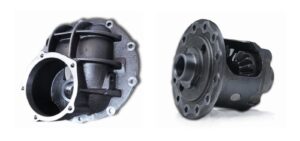
Ford 9-inch vs Ford 8.8: how the two axles differ in gearing, pinion support and shaft retention, and why the 31-spline 8.8 is the…
Differential Parts
Showing 505–516 of 534 resultsSorted by popularity
-
-
-
-
-
Differential Gaskets
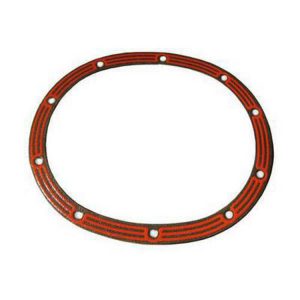
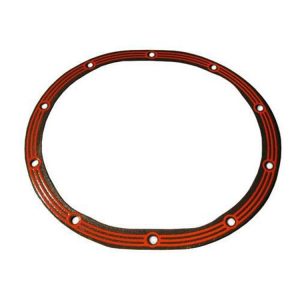
Lube Locker Chrysler 8.25in. Differential Cover Gasket – LLRC825
- Differential cover gasket for the Chrysler 8.25-inch rear axle
- Steel core with rubber coating and elastomer beading on both sides
- Lube Locker says no sealant is needed for installation
- Rear axle location
SKU: LULLLRC825 -
-
Dana 44 Limited Slip Differentials and Parts

Power Trax Dana 44 30 Spline Trac-Loc Case No-Slip – 9204443020
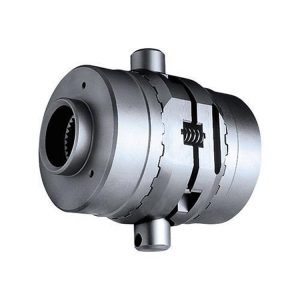 Dana 44 Limited Slip Differentials and Parts
Power Trax Dana 44 30 Spline Trac-Loc Case No-Slip – 9204443020
- Power Trax 9204443020 no-slip Trac-Loc case for Dana 44 30 spline axles
- For Track Lock differentials only
- Reuses existing carrier; no ring and pinion setup needed
- Automatic locker type with synchronization mechanism
SKU: PTX9204443020 -
-
-
What is inside a differential
A differential lets the left and right wheels turn at different speeds in a corner while sending torque to both. The ring gear bolts to a carrier, the pinion gear drives the ring, and bearings support both. Seals keep gear oil in, and gaskets or covers close the housing. Because gears wear as a matched set, the ring and pinion are always replaced together.
Common replacement and upgrade parts
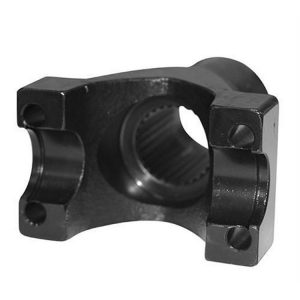
- Pinion seal and yoke: A leaking pinion seal is a frequent repair. A worn yoke surface can cause the new seal to leak again.
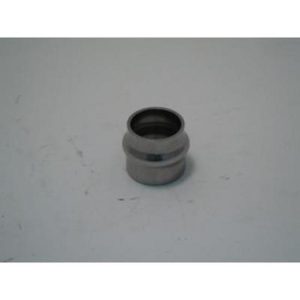
- Crush sleeve: A single-use spacer that sets pinion bearing preload on many axles. It must be replaced when the pinion is removed.
- Bearings and shims: Set gear position and backlash. Bearing wear shows up as whining or rumbling.
- Carriers and locker or open assemblies: Used when swapping to a different gear ratio, repairing damage or changing to a locking or open design.
- Gasket and cover parts: Reseal the housing after service.
Choosing the right part
Differential parts are specific to the axle model, not just the vehicle. Identify the axle first, such as a Dana 30, a GM 14 bolt or a Ford 10.25 inch, along with the spline count, ring gear diameter and ratio. Spline count and carrier bearing size must match your axle shafts. Always compare the part number against the manufacturer's specifications and confirm fitment for your exact year, make and model.
Installation notes
Setting up a ring and pinion requires correct pinion depth, bearing preload and backlash, usually checked with a dial indicator and marking compound. Mistakes cause noise and rapid wear, so many owners have this work done by a qualified shop. Use the gear oil grade and any friction modifier the manufacturer calls for, especially with limited-slip designs, and torque fasteners to specification. Break in new gears with gentle driving and change the oil after the first short interval.
Keep records as you work. Note the ring gear size, ratio, spline count and the lot or part numbers on each component, because future repairs are far easier when you know what is inside the housing. Inspect the gear oil for metal flakes, which can reveal bearing or gear wear before a failure.
How to confirm what you need before ordering
Start by pulling the axle cover or reading the tag, then write down the ring gear diameter, the ratio stamped on the ring gear or tag and the number of cover bolts. Next, decide whether you are repairing, regearing or adding a locker, because each job needs a different parts list.
- Repair: seals, bearings, crush sleeve, gasket or sealant and fresh gear oil.
- Regear: a matched ring and pinion, an installation kit and often a new carrier bearing set.
- Locker or carrier swap: a carrier matched to the ring gear bolt pattern and axle spline count.
Take careful notes on pinion yoke style and U-joint size too, since a worn yoke or a different driveshaft joint changes what you need. Avoid reusing old bearings with new gears, because their wear pattern will not match the new contact surface.
Related guides
- Is the Legendary Ford 9-Inch Overrated? Why Modern 4X4s Are Switching to the 8.8
Popular Differential Parts brands
- G2 Axle and Gear (118)
- Dana Spicer (79)
- ARB 4x4 Accessories (65)
- Crown Automotive (65)
- Detroit Locker (58)
- Omix-Ada (40)
- Auburn Gear (28)
- Power Trax (22)
- Eaton (15)
- Lube Locker (12)
- Trail Gear (11)
- Alloy USA (8)
Shop Differential Parts by type
- Differential Pinion Yoke (57)
- Differential Crush Sleeves (20)
- Differential Gear Kit (28)
- Differential Pinion Seal (27)
- Differential Gaskets (26)
- Differential Switches And Shifters (17)
- Differential Pinion/Carrier Shims (16)
- Differential Pinion Bearing (14)
- Differential Pinion Shaft Nut (12)
- Locking Differential Clutch Pack (9)
- Differential Guards (9)
- Differential Drain Plug (8)
- Differential Ring Gear Bolt (7)
- Differential Pinion Nut Washer (7)
- Differential Pinion Bearing Spacer (5)
- Differential Drop Spacer Kit (5)
- Differential Thrust Washer (5)
- Differential Side Bearing Spacer (3)
- Differential Pinion/Side Bearing Spacer (1)
- Differential Pinion Race (2)
- Differential Disc Kit (1)
- Differential Tools (1)
- Differential Shim Driver Set (0)
Differential Parts FAQ
Do I have to replace the crush sleeve when changing a pinion seal?
On axles that use one, yes. The crush sleeve is designed to be compressed once to set pinion bearing preload. Reusing it can lead to incorrect preload, so follow the service procedure for your axle.
Why must ring and pinion gears be replaced as a set?
The gears are lapped and matched at the factory so their contact pattern is correct. Mixing an old gear with a new one usually causes noise and uneven wear. Buy and install them together.
How do I identify which differential I have?
Check the axle tag, the cover shape and bolt count, and the ring gear diameter. Many axles also have a casting number. Confirm the details against the manufacturer's specifications before ordering any internal part.
Can I install differential parts myself?
Seals, gaskets and fluid changes are within reach for many owners. Ring and pinion setup needs measuring tools and experience, so a qualified shop is the safer choice for gear work.