
Tube Fenders
Showing 61–72 of 80 resultsSorted by popularity
-
Tube Fenders

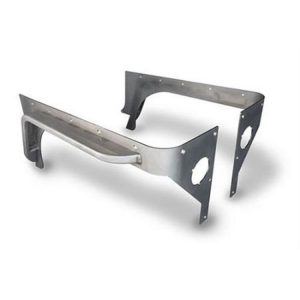
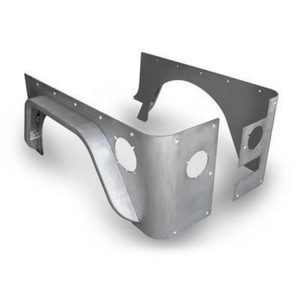
Poison Spyder Standard Crusher Corners with 5 Inch DeFender Flares (Bare Aluminum) – 14-04-075
 Tube Fenders
Poison Spyder Standard Crusher Corners with 5 Inch DeFender Flares (Bare Aluminum) – 14-04-075
- Standard Crusher Corners with integrated 5 inch DeFender flare, part 14-04-075
- Made from 3/16 inch plate steel
- Larger TJ-style wheel opening
- Flat head stainless hardware and countersunk holes
- Provisions for flush-mounted LED taillights, sold separately
SKU: PSC14-04-075 -
-
-
Tube Fenders
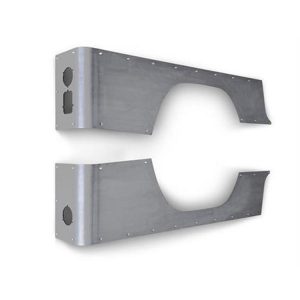
Poison Spyder Crusher Corners (Bare Steel) – 15-04-043
- Crusher corners built for the stretched Jeep LJ Wrangler with a 4-inch rear wheelbase stretch
- Built for the 2004–2006 Jeep Wrangler (LJ)
- 3-inch wide corners from 3/16-inch steel plate, with weld-on flares
- Allows up to a 40-inch tire; bare steel; cutting or drilling required
SKU: PSC15-04-043 -
Tube Fenders
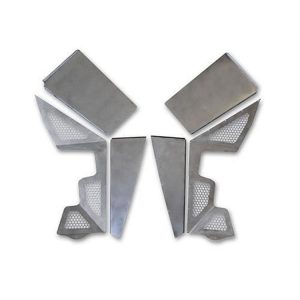
Poison Spyder DeFender Vented Inner Fender Kit (Aluminum) – 14-02-080-V
- Vented aluminum inner fender kit that goes with Poison Spyder DeFender front fenders
- Three-piece bolt-together CNC laser cut aluminum sheet
- Vented for airflow through the engine bay; provides splash protection
- Requires DeFenders to install; UPC 614901724875
SKU: PSC14-02-080-V -
-
-
Tube Fenders
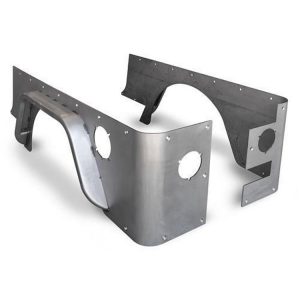
Poison Spyder Stock Crusher Corners (Bare Steel) – 12-04-010
- Stock Crusher Corners in bare 3/16 inch plate steel
- Openings for the factory wheel and fuel filler
- Mounting holes for factory flares, tail light and license plate frame
- Stainless steel flat head cap screws; cutting or drilling required
SKU: PSC12-04-010 -
Tube Fenders
Poison Spyder Standard Crusher Corners (Bare Steel) – 13-04-073
- Standard crusher corners in bare steel with 3/16-inch plate and stainless hardware
- Includes provisions for flush-mounted LED taillights and the factory fuel filler opening
- 3-inch weld-on DeFender flares made from 3/16-inch plate steel
- Countersunk bolt holes and stainless flat head cap screws; UPC 614901724189
SKU: PSC13-04-073 -
Tube Fenders
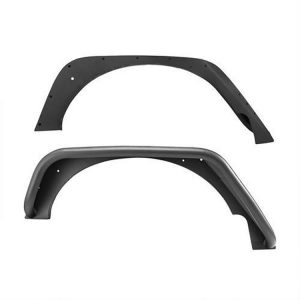
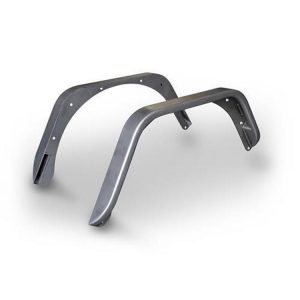
Smittybilt XRC Armor Front Tube Fenders with 3 Inch Flare (Black) – 76873
- Front tube fenders with a 3-inch flare, black powder coat
- Tubular design for strength and durability
- Modifies the front OE fender; cutting or drilling required
- Relocates the factory latch and includes stainless hardware
SKU: S/B76873




Why use tube fenders
Stock plastic and sheet metal fenders are a weak point on a vehicle that goes off-road with larger tires. They crush against rocks, crack when brushed by trees, and limit the room for wheels to move at full flex. Tube and aluminum fenders replace them with narrower, stronger, or more open designs that offer better tire clearance and a better approach and departure profile. Many owners also like the weight savings of aluminum.
Types of fender parts
- Tube fenders: tubular frames that replace the whole fender and allow a wide opening around the tire.
- Inner fenders: aluminum panels that replace the factory inner fender, often with vents for engine bay airflow and a cleaner way to route wiring.
- Flares and armor: steel or aluminum flares that attach to the body edge with a wider, more rugged look.
- Front and rear sets: separately listed for the front corners and the rear quarter panels, sometimes specific to two-door or four-door models.
Materials and finishes
Aluminum is light and does not rust, though it can dent or tear on hard impacts and is sold bare or with a finish. Steel is stronger and cheaper to repair by welding, but heavier and requires paint or powder coat to prevent corrosion. Thicker plate, such as 3/16 inch steel, adds strength where the part may be hit. Bare metal needs sealing if the vehicle sees salt or coastal air, and anodized or powder-coated finishes last longer in harsh conditions.
What to check before buying
Vehicle fitment is the key detail. Listings often specify a Wrangler generation, number of doors, and whether the part is front or rear, left or right. Check whether the part pairs with other products from the same maker, such as a matching flare. Some kits install with bolts alone, while others need minor drilling or trimming of the factory fender and brackets, and a few need welding. Compare coverage, too, because narrower fenders may not satisfy the rules in your state for covering the tires on the road.
Installation and legal notes
Take your time with test fits and mark any cuts carefully. Seal exposed edges and check that the new fender doesn't interfere with the hood, lights, or steering at full lock. Lighting and turn signals may need relocation. Fender coverage rules vary by state, so check local regulations before using these on public roads. Always confirm fitment for your exact year, make, and model with the manufacturer's specifications.
Maintenance and compatibility
After each trail season, check welds, mounting bolts, and any slotted holes for cracks or loosening, especially near the corners that take the most hits. On bare aluminum, wash off salt and mud, and look for pitting at fasteners where dissimilar metals meet, since steel bolts in aluminum can corrode. Use stainless hardware or anti-seize compound where recommended. Think about the other parts of the vehicle, too. Larger tires, a winch bumper, and body armor can all change which fender style fits well. Keep wiring for turn signals and side markers away from sharp tube edges, and use grommets where cables pass through the panel to prevent chafing.
Popular Tube Fenders brands
- Poison Spyder Customs (71)
- Smittybilt (6)
- Rugged Ridge (3)
- Pro Comp Suspension (2)
- Warrior (1)
- Westin (1)
- Blue Torch Fabworks (1)
- GenRight (1)
- JcrOffroad (1)
Tube Fenders FAQ
What is the difference between tube fenders and fender flares?
Flares attach to the existing body panel and extend its edge. Tube fenders replace the fender itself with a stripped-down, tubular or aluminum design that opens up tire clearance and drops weight.
Are aluminum tube fenders better than steel?
They suit different needs. Aluminum is lighter and does not rust but can dent or tear. Steel is stronger and easier to weld but heavier and needs paint. Consider your terrain, budget, and corrosion exposure.
Do tube fenders require cutting or drilling?
Some kits bolt on with minimal drilling, and others need trimming of the factory fender or brackets. Check the product page notes and instructions to see what installation involves for your vehicle.
Are tube fenders street legal?
It depends on your state. Many places require bodywork to cover the tire tread on the road, and open tube designs may not meet that. Check local regulations and consider this before choosing a style.