
Complete axles and third members are for drivetrain builds that replace the whole axle assembly, not just individual shafts. This category lists assembled Dana 44 and Dana 60 front and rear axles, housings and axle shafts for Jeeps and trucks, from G2 Axle and Gear, Dana Spicer and Currie.See each product page for ratio, locker, bolt pattern and part number, then compare the products below.
Complete Axles & Third Members
Showing 1–12 of 32 resultsSorted by popularity
Shop Complete Axles & Third Members by type

-
-
Complete Axle Assemblies

G2 CORE 44 Rear Axle Assembly with 5.13 Ratio and ARB Air Locker Ratio and Disc Brake Kit – C4YSR513AC0D
 Complete Axle Assemblies
G2 CORE 44 Rear Axle Assembly with 5.13 Ratio and ARB Air Locker Ratio and Disc Brake Kit – C4YSR513AC0D
- G2 Axle and Gear CORE 44 rear axle assembly, part number G/2C4YSR513AC0D
- Fits 1987-1995 Jeep YJ Wrangler and 1984-2001 Jeep XJ Cherokee
- Features a 5.13 ratio, ARB Air Locker and disc brake kit
- Housing accepts Dana 44 ring and pinions, axle shafts and aftermarket lockers
SKU: G/2C4YSR513AC0D -
Complete Axle Assemblies
G2 CORE 44 Rear Axle Assembly with 4.88 Ratio and Detroit True Trac Ratio and Disc Brake Kit – C4YSR488TC0D
 Complete Axle Assemblies
G2 CORE 44 Rear Axle Assembly with 4.88 Ratio and Detroit True Trac Ratio and Disc Brake Kit – C4YSR488TC0D
- Complete rear axle with a 4.88 ratio, Detroit True Trac and disc brake kit
- Made for 1987-1995 Jeep YJ Wranglers and 1984-2001 Jeep XJ Cherokees
- Housing accepts stock Dana 44 ring and pinions and axle shafts
SKU: G/2C4YSR488TC0D -
Complete Axle Assemblies
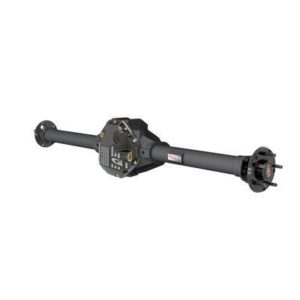
G2 CORE 44 Rear Axle Assembly with 4.56 Ratio and ARB Air Locker Ratio and Disc Brake Kit – C4YSR456AC0D
 Complete Axle Assemblies
G2 CORE 44 Rear Axle Assembly with 4.56 Ratio and ARB Air Locker Ratio and Disc Brake Kit – C4YSR456AC0D
- Complete rear axle with a 4.56 ratio, ARB Air Locker and disc brake kit
- Made for 1987-1995 Jeep YJ Wranglers and 1984-2001 Jeep XJ Cherokees
- Housing accepts stock Dana 44 ring and pinions and axle shafts
SKU: G/2C4YSR456AC0D -
Complete Axle Assemblies
G2 CORE 44 Rear Axle Assembly with 4.10 Ratio and Detroit True Trac – C4YSR410TC0
 Complete Axle Assemblies
G2 CORE 44 Rear Axle Assembly with 4.10 Ratio and Detroit True Trac – C4YSR410TC0
- G2 CORE 44 rear axle assembly with a 4.10 ratio and Detroit True Trac
- Built for 1987–1995 Jeep Wrangler YJ and 1984–2001 Jeep Cherokee XJ
- Accepts stock Dana 44 ring and pinions, axle shafts and aftermarket lockers
- Disc brake option on 1987–1990 with the D part number; factory-style brakes for 1991–1995
- Part number G/2C4YSR410TC0
SKU: G/2C4YSR410TC0 -
Complete Axle Assemblies
G2 Axle and Gear CORE 44 Rear Axle Assembly, 5.13 Ratio and ARB Air Locker – C4TSR513AC0
 Complete Axle Assemblies
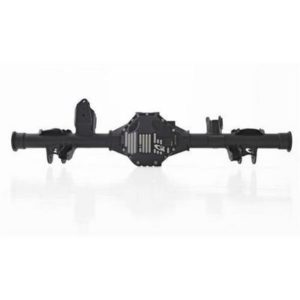
G2 Axle and Gear CORE 44 Rear Axle Assembly, 5.13 Ratio and ARB Air Locker – C4TSR513AC0
- G2 CORE 44 rear axle assembly with a 5.13 ratio and ARB Air Locker
- Built for 1997–2006 Jeep TJ and LJ Wranglers
- Accepts stock Dana 44 ring and pinions, axle shafts and aftermarket lockers
- Brakes reused from the vehicle; no brake kit
- Part number G/2C4TSR513AC0
SKU: G/2C4TSR513AC0 -
Complete Axle Assemblies
G2 Axle and Gear CORE 44 Rear Axle Assembly, 4.88 Ratio and Detroit Locker and Disc Brake Kit – C4TSR488LC0D
 Complete Axle Assemblies
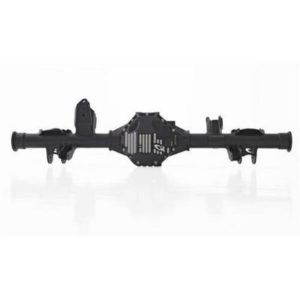
G2 Axle and Gear CORE 44 Rear Axle Assembly, 4.88 Ratio and Detroit Locker and Disc Brake Kit – C4TSR488LC0D
- G2 CORE 44 rear axle assembly with a 4.88 ratio and Detroit Locker
- Includes a disc brake kit for the rear
- Built for 1997–2006 Jeep TJ and LJ Wranglers
- Accepts stock Dana 44 ring and pinions, axle shafts and aftermarket lockers
- Part number G/2C4TSR488LC0D
SKU: G/2C4TSR488LC0D -
Complete Axle Assemblies
G2 Axle and Gear CORE 44 Rear Axle Assembly, 4.56 Ratio and Detroit True Trac Locker and Disc Brake Kit – C4TSR456TC0D
 Complete Axle Assemblies
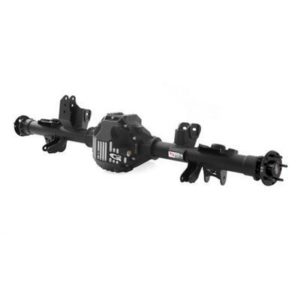
G2 Axle and Gear CORE 44 Rear Axle Assembly, 4.56 Ratio and Detroit True Trac Locker and Disc Brake Kit – C4TSR456TC0D
- G2 CORE 44 rear axle assembly with a 4.56 ratio and Detroit True Trac
- Includes a disc brake kit for the rear
- Built for 1997–2006 Jeep TJ and LJ Wranglers
- Accepts stock Dana 44 ring and pinions, axle shafts and aftermarket lockers
- Part number G/2C4TSR456TC0D
SKU: G/2C4TSR456TC0D -
Complete Axle Assemblies
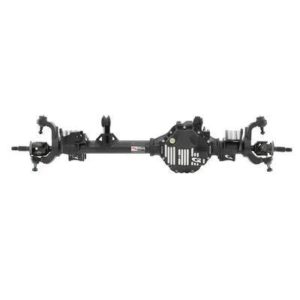
G2 Axle and Gear CORE 44 Front Axle Assembly, 5.13 Ratio and Eaton E-Locker – C4TSFS513EC0
 Complete Axle Assemblies
G2 Axle and Gear CORE 44 Front Axle Assembly, 5.13 Ratio and Eaton E-Locker – C4TSFS513EC0
- G2 CORE 44 front axle assembly with a 5.13 ratio and an Eaton E-Locker
- Built for 1997–2006 Jeep TJ/LJ Wranglers and 1984–2001 Jeep XJ Cherokee
- High pinion Dana 44 gear design in a new CORE 44 housing
- Accepts stock Dana 44 ring and pinions, axle shafts and aftermarket lockers
- Part number G/2C4TSFS513EC0
SKU: G/2C4TSFS513EC0 -
Complete Axle Assemblies
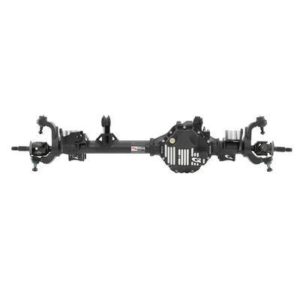
G2 Axle and Gear CORE 44 Front Axle Assembly 4.88 Ratio and Eaton E-Locker – C4TSFS488EC0
 Complete Axle Assemblies
G2 Axle and Gear CORE 44 Front Axle Assembly 4.88 Ratio and Eaton E-Locker – C4TSFS488EC0
- G2 CORE 44 front axle assembly with a 4.88 ratio and an Eaton E-Locker
- Built for 1997–2006 Jeep TJ/LJ Wranglers and 1984–2001 Jeep XJ Cherokee
- High pinion Dana 44 gear design in a new CORE 44 housing
- Accepts stock Dana 44 ring and pinions, axle shafts and aftermarket lockers
- Part number G/2C4TSFS488EC0
SKU: G/2C4TSFS488EC0 -
Complete Axle Assemblies

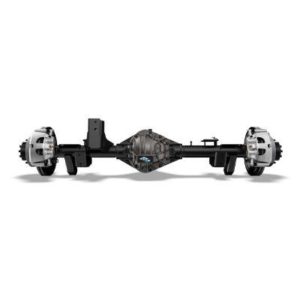
Dana Spicer Ultimate Dana 60 Rear Crate Axle Assembly with 5.38 Gear Ratio & Eaton E-Locker for Gladiator JT – 10128137
 Complete Axle Assemblies
Dana Spicer Ultimate Dana 60 Rear Crate Axle Assembly with 5.38 Gear Ratio & Eaton E-Locker for Gladiator JT – 10128137
- Ultimate Dana 60 rear crate axle assembly with a 5.38 ratio and Eaton E-Locker
- Complete rear axle assembly supplied as a crate unit
- Fits 2020–2026 Jeep Gladiator
- Part number D/S10128137
SKU: D/S10128137 -
Complete Axle Assemblies
Dana Spicer Jeep JL/JT Ultimate Dana 60 Front Axle Assembly 5.38 Ratio – 10056030
 Complete Axle Assemblies
Dana Spicer Jeep JL/JT Ultimate Dana 60 Front Axle Assembly 5.38 Ratio – 10056030
- Ultimate Dana 60 front axle assembly with a 5.38 ratio and an Eaton E-Locker
- Disc brake upgrade with an 8 on 6.5 inch wheel bolt pattern
- 35 spline axle shafts for the front of the Jeep Wrangler JL and Gladiator
- Fits 2018–2026 Jeep Wrangler JL and 2020–2026 Jeep Gladiator.
SKU: D/S10056030

What a complete axle includes
A complete axle assembly arrives with the housing, axle shafts, differential, gears and often a locker or limited-slip unit, so it can replace a worn or undersized axle as a unit. Some listings include a disc brake kit, while others say to reuse factory brakes.
A third member is the removable differential assembly itself, with ring and pinion gears and the carrier. This category also lists a few housings and shaft items.
Specifications to compare
The listings show the main details:
- Axle type, such as Dana 44, Dana 60 or HD60, and whether it is front or rear.
- Gear ratio, such as 4.10, 4.56, 4.88, 5.13 or 5.38. A numerically higher ratio gives better low-speed torque with larger tires, but higher engine rpm at highway speed.
- Traction device, such as an Eaton E-Locker, ARB Air Locker, Detroit Locker or Detroit True Trac.
- Wheel bolt pattern, such as 5 on 4.5, 5 on 5 or 8 on 6.5.
- Axle spline count, with 30 and 35 spline examples here.
- Brakes, including factory reuse or a disc brake kit.
Choosing ratio and locker
Pick the ratio for your tire size and use. Bigger tires effectively raise the gearing, so the ratio needs to go lower in number, or higher in value, to restore performance. Front and rear ratios must match, or the transfer case and tires will fight each other.
Lockers differ in behavior. Selectable air and electric lockers let you stay open for street driving, while automatic lockers are always on to some degree. A True Trac type unit is a gear-driven limited slip that works without driver input.
Fitment and installation
Swapping an axle changes track width, spring perch location, brake lines, track bar mounts and driveshaft angles. The housing may need brackets welded on, which should be done by a qualified fabricator. Confirm fitment for your exact year, make, model and suspension, including the original axle width and wheel offset, and check the manufacturer's specifications.
Axles are safety critical and heavy. Professional installation and alignment are recommended. Torque all suspension, steering and brake fasteners to specification, fill the axle with the specified gear oil and check driveline angles after installation.
Pairing parts and mistakes to avoid
An axle swap is a project, not a part swap. Plan the whole setup before you start: wheels with the correct bolt pattern and backspacing, matching front and rear gear ratios, brake components, a driveshaft of the proper length and the right U-joint size, and any required steering linkage changes.
- Measure the width of the original axle from flange to flange and compare it with the new one so the tires stay centered.
- Check the pinion angle and the position of the spring perches before welding any brackets.
- Do not forget the vent, the breather line and the electrical connections for an electric locker or compressor for an air locker.
- Break in new gears gently, with a first oil change after a few hundred miles to clear metal from the break-in period.
Popular Complete Axles & Third Members brands
Complete Axles & Third Members FAQ
What does gear ratio mean?
It is the number of times the pinion turns for each turn of the ring gear, such as 4.88 to 1. A higher number multiplies torque more but raises engine speed at a given road speed. Pairing the ratio with tire size is important.
Do front and rear gear ratios have to match?
Yes, for a four-wheel-drive vehicle. Mismatched ratios cause driveline binding and damage because the axles must turn at the same effective speed. Gear ratios should also be set up by a qualified shop so the pattern and backlash are correct.
Is a Dana 60 stronger than a Dana 44?
Generally yes, since the Dana 60 has a larger ring gear, housing and shafts. It is also heavier, and the right choice depends on tire size, vehicle weight and use.
Are complete axles bolt-in?
Rarely fully. Mounts, brackets, brake lines and track bars often need modification or fabrication. Check the product details and have a qualified shop do the work.