


Dana 30 vs Dana 44 vs Dana 60: how to identify the axle under your Jeep or truck, what each one handles, and when…
Axle Truss covers the weld-on steel structures that stiffen an axle housing against bending under big tires and hard landings: trusses and complete swap kits with link brackets from Artec Industries for Dana 30, 44 and 60 axles in the Wrangler TJ, JK and JL, G2 Axle and Gear trusses and link mounts, Trail Gear Rock Assault trusses for Toyota pickups, 4Runners and Tacomas, and Rock Krawler and TeraFlex pieces.All of these require welding, so confirm the axle and tube diameter before comparing the products below.
Axle Truss
Showing 1–12 of 42 resultsSorted by popularity
-
-
Axle Truss, Brackets, Gussets & Tabs, Fabrication & Tools

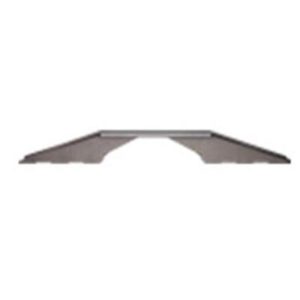
Trail Gear Rock Assault Nine Axle Truss – 302552-KIT
 Axle Truss, Brackets, Gussets & Tabs, Fabrication & Tools
Trail Gear Rock Assault Nine Axle Truss – 302552-KIT
- Rock Assault Nine axle truss, part number TGI302552-KIT, from Trail Gear
- Short specifications list the truss as rear
- Fits 1985 to 1995 Toyota 4Runner, 1979 to 1995 Toyota Pickup and 1995 to 2004 Toyota Tacoma
- Direct fit for the Toyota vehicles covered
SKU: TGI302552-KIT -
Axle Truss, Brackets, Gussets & Tabs, Fabrication & Tools
Trail Gear Rock Assault Axle Truss – 302549-1-KIT
 Axle Truss, Brackets, Gussets & Tabs, Fabrication & Tools
Trail Gear Rock Assault Axle Truss – 302549-1-KIT
- Rock Assault axle truss, part number TGI302549-1-KIT, for axle housing protection
- Fits 1985 to 1995 Toyota 4Runner, 1979 to 1995 Toyota Pickup and 1995 to 2004 Toyota Tacoma
- Confirm front or rear axle position before ordering
- Built for use with an OEM axle
SKU: TGI302549-1-KIT -
Axle Truss, Brackets, Gussets & Tabs, Fabrication & Tools

Rock Krawler JK/JL/JT Dynatrac XD 60 Rear Axle Truss – RK07702
 Axle Truss, Brackets, Gussets & Tabs, Fabrication & Tools
Rock Krawler JK/JL/JT Dynatrac XD 60 Rear Axle Truss – RK07702
- Rock Krawler RK07702 rear axle truss, with Dana 60 axle type and Dynatrac XD 60 named in the title
- Rear axle location; no steering ram mount
- Fits 2007 to 2018 Jeep Wrangler JK, 2018 to 2026 JL and 2020 to 2026 Gladiator JT
- Made in the U.S.A.
SKU: RKSRK07702 -
Axle Truss, Brackets, Gussets & Tabs, Fabrication & Tools
G2 Truss Upper Link Mount – 68-2052-2
- Rear Dana 44 upper link mount for the G2 rear axle truss
- Manufacturer fitment lists 2007-2018 Jeep Wrangler JK
- Heavy-duty steel, unpainted; welding required
- Part number 68-2052-2; pairs with truss 68-2052-1
SKU: G/268-2052-2 -
Axle Truss, Brackets, Gussets & Tabs, Fabrication & Tools

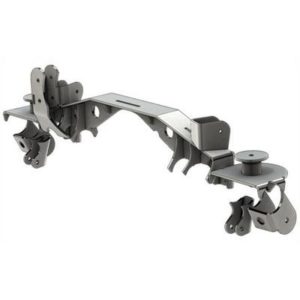
Artec Industries Rear Axle Swap Kit – TJ4418
 Axle Truss, Brackets, Gussets & Tabs, Fabrication & Tools
Artec Industries Rear Axle Swap Kit – TJ4418
- Rear Dana 44 axle swap kit with 1/4 inch thick truss and built-in link brackets
- Part number A/ITJ4418, fits 1997 to 2006 Jeep Wrangler TJ and 2004 to 2006 LJ
- Brackets for factory link, anti-sway bar and shock locations
- Steering ram mount not included
SKU: A/ITJ4418 -
Axle Truss, Brackets, Gussets & Tabs, Fabrication & Tools
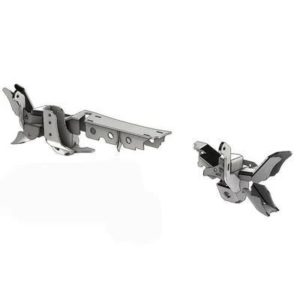
Artec Industries JK2TJ Front Axle Swap Kit with Truss – TJ3022
 Axle Truss, Brackets, Gussets & Tabs, Fabrication & Tools
Artec Industries JK2TJ Front Axle Swap Kit with Truss – TJ3022
- Front swap kit for Dana 30 axles with 1/4 inch thick truss and built-in link brackets
- Part number A/ITJ3022; fits 1997 to 2006 Jeep Wrangler TJ and 2004 to 2006 Wrangler LJ Unlimited
- Brackets for factory link, anti-sway bar, tracbar and shock locations
- Steering ram mount not included
SKU: A/ITJ3022 -
Axle Truss, Brackets, Gussets & Tabs, Fabrication & Tools
Artec Industries JK 1 Ton – Superduty (99-04) Front Dana 60 Swap Kit with Currie Johnny Joints – JK6042
 Axle Truss, Brackets, Gussets & Tabs, Fabrication & Tools
Artec Industries JK 1 Ton – Superduty (99-04) Front Dana 60 Swap Kit with Currie Johnny Joints – JK6042
- Front Dana 60 axle swap kit with 1/4 inch truss and built-in link brackets, part number A/IJK6042
- Artec lists fitment for 2007 to 2018 Jeep Wrangler JK models
- Dana 60 axles need new wheels because the bolt pattern differs from factory JK 5 lug
- Brake and steering components are not included
- Check axle tube lengths of 3.0 inch and 24.5 inch before welding
SKU: A/IJK6042 -
Axle Truss, Brackets, Gussets & Tabs, Fabrication & Tools
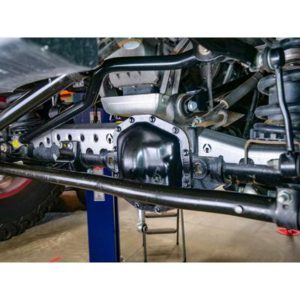
Artec Industries APEX Front Axel Truss – JL4501
 Axle Truss, Brackets, Gussets & Tabs, Fabrication & Tools
Artec Industries APEX Front Axel Truss – JL4501
- Fits JL Rubicon Dana 44 M210 front axles and all JT front axles
- APEX peaked top adds rigidity and removes long weld seams
- 1/8 inch mild steel, listed at 6 lbs
- Built for tires up to 40 inch on stock JL axles
- Minimum 1.5 inch lift recommended; welding required
SKU: A/IJL4501 -
Axle Truss, Brackets, Gussets & Tabs, Fabrication & Tools
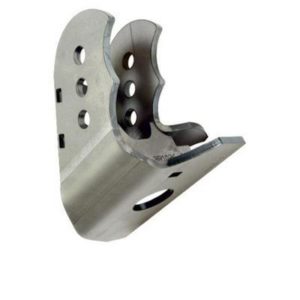
Artec Industries Adjustable Panhard Mount for D60 Truss – BR1026
 Axle Truss, Brackets, Gussets & Tabs, Fabrication & Tools
Artec Industries Adjustable Panhard Mount for D60 Truss – BR1026
- Artec Industries Panhard mount, part number A/IBR1026, for Dana 60 axles with Artec truss
- Three holes at 7, 8 and 9 inches from axle centerline
- Fits joints with a 1.75 inch mounting width
- Tube diameter 3 inches; sold as a single mount
- Welding required; the truss is not part of this item
SKU: A/IBR1026 -
Axle Truss, Brackets, Gussets & Tabs, Fabrication & Tools
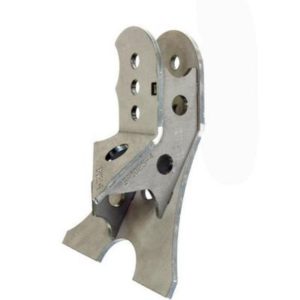
Artec Industries Adjustable Panhard Mount for D60 Truss – BR1025
 Axle Truss, Brackets, Gussets & Tabs, Fabrication & Tools
Artec Industries Adjustable Panhard Mount for D60 Truss – BR1025
- Artec Industries A/IBR1025 adjustable panhard mount for Dana 60 axles with Artec truss
- 3 inch tube diameter, single mount
- Holes at 7, 8 and 9 inches from axle centerline
- Designed for joints with a 1.75 inch mounting width
- Welding required for installation
SKU: A/IBR1025 -
Axle Truss, Brackets, Gussets & Tabs, Fabrication & Tools
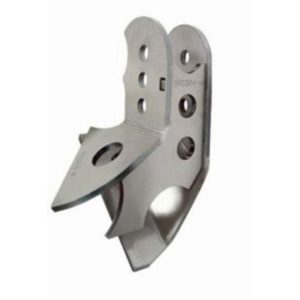
Artec Industries Adjustable Panhard Mount for D60 Truss – BR1024
 Axle Truss, Brackets, Gussets & Tabs, Fabrication & Tools
Artec Industries Adjustable Panhard Mount for D60 Truss – BR1024
- Adjustable panhard mount for Artec truss on Dana 60 axles
- 3 inch tube diameter and 1.75 inch joint mounting width
- Holes at 7, 8 and 9 inches from axle centerline
- Requires welding
SKU: A/IBR1024
Why truss an axle
An axle housing is a steel tube with a cast or fabricated center section, and under enough load it bends. Big tires add leverage, lockers and low gears add torque, and a hard landing can put the whole weight of the vehicle through one wheel. The result is tubes that bow upward at the ends, which puts the pinion out of alignment, chews axle seals and bearings, and in bad cases cracks the center section welds. A truss welded along the top of the housing adds a tall section that resists that bending. It also happens to be the right place to put new link, track bar and shock brackets, which is why so many trusses here are sold as swap kits with brackets built in.
Trusses, swap kits and brackets
- Plain truss: a 1/8 or 1/4 inch steel structure cut to the housing profile. Examples are the Artec APEX truss for the JL Rubicon Dana 44 front and the Trail Gear Rock Assault trusses for Toyota rear axles. These reinforce a stock or built axle that keeps its factory brackets.
- Swap kit: a truss with link, anti-sway bar, track bar and shock brackets attached, so a donor axle such as a JK Dana 44 or a Ford Dana 60 can be installed under a TJ or JK. Steering ram mounts are usually not included.
- Add-on brackets: upper link mounts and adjustable panhard mounts that bolt or weld to a specific truss, with multiple hole positions for tuning geometry. These are sold for one truss and one tube diameter.
Getting the fit right
Trusses are cut for one axle type and tube diameter. A Dana 44 has 3 1/8 inch tubes on a JK, a Dana 35 has 2.625 inch tubes, a Dana 60 commonly 3 or 3.5 inch, and Toyota housings have their own profile. Front and rear trusses differ because of the differential offset and the steering. Check the axle model, the tube diameter and whether the truss is for the high pinion or low pinion version. Dana 60 swaps also change the wheel bolt pattern to 8 lug and require new brakes and steering, which the kits do not include. Thickness matters too: 1/4 inch trusses are heavier and stiffer for one-ton builds, while a 1/8 inch APEX style truss adds rigidity to a stock JL axle with less weight.
Welding a truss without warping the housing
Welding puts a lot of heat into one side of the tube, and the tube pulls toward the weld as it cools. A truss welded in one long pass will bend the housing. Fixture the housing so the ends are held in alignment, or install the axle shafts and check that they turn freely as you go. Weld in short stitches, alternating ends and sides, and let the housing cool between passes. Many fabricators preheat cast center sections and use a nickel rod or a MIG process suited to cast iron where the truss meets a cast housing. Grind paint and scale to bare steel first. When the truss is done, check pinion alignment and axle shaft runout before putting the axle under weight.
If you have not welded structural steel on a vehicle before, this is a job for a fabrication shop. A poorly welded truss can crack at the welds, which is worse than no truss.
Other details
Trusses raise the top of the housing, so check clearance to the fuel tank, floor, exhaust and upper links at full bump; Artec notes a minimum 1.5 inch lift and extended bump stops for its JL truss. Trusses arrive bare and must be painted or coated after welding. Plan the link bracket positions with your lift and tire size in mind, since cutting a bracket off later is far harder than placing it right once.
Related guides
- Dana 30 vs Dana 44 vs Dana 60: Which Axle Is Under Your Jeep or Truck, and When to Upgrade
- Is the Legendary Ford 9-Inch Overrated? Why Modern 4x4s Are Switching to the 8.8
Ford 9-inch vs Ford 8.8: how the two axles differ in gearing, pinion support and shaft retention, and why the 31-spline 8.8 is the…
Popular Axle Truss brands
- Artec Industries (27)
- G2 Axle and Gear (9)
- Trail Gear (2)
- Rubicon Express (2)
- TeraFlex (1)
- Rock Krawler (1)
Axle Truss FAQ
Do I need an axle truss on a stock Jeep?
Usually not on factory tire sizes. Trusses become worthwhile when running 35 inch or larger tires, a locker and hard trail use, where tube bending and seal failures start to appear. Artec's JL truss, for example, is built for tires up to 40 inches on the stock axle.
Can I bolt on an axle truss?
No. Every truss and swap kit in this category welds to the housing, and the brackets weld to the truss. Welding on an axle housing takes fixturing and care to avoid warping the tubes, so most owners have a fabrication shop do it.
What is included in an axle swap kit?
A swap kit combines a truss with the brackets a donor axle needs to fit the vehicle, such as control arm, anti-sway bar, track bar and shock mounts. Steering ram mounts, brakes, wheels and steering components are generally not included, and the brackets arrive bare steel.
Will a truss warp my axle housing?
It can if welded carelessly. Weld in short alternating stitches, let the housing cool between passes, and keep the housing fixtured or check shaft rotation as you go. Done correctly, the housing stays straight and the truss makes it far stiffer than stock.