
Inner Axle Seals
Showing 13–24 of 32 resultsSorted by popularity
-
-
-
-
-
Dana 44 Oil Seals, Inner Axle Seals
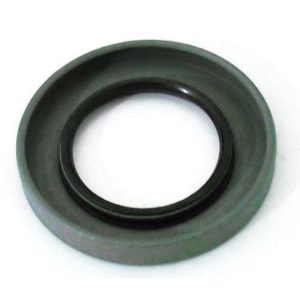
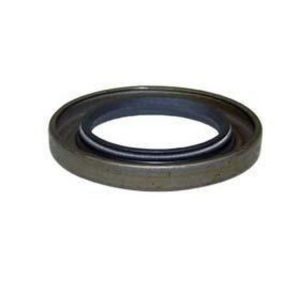
Crown Automotive Dana 44 Axle Shaft Inner Seal – 83501009
- Dana 44 axle shaft inner seal, 2-5/8 inch outside diameter, for the front inner position.
- Fits 1977 to 1983 Cherokee SJ, 1977 to 1990 Wagoneer SJ and related SJ-era models
- Part number 83501009, UPC 848399024203.
SKU: CRO83501009 -




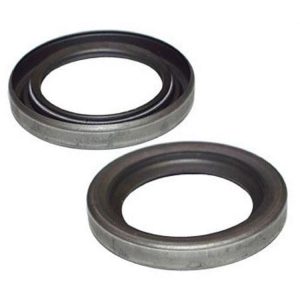
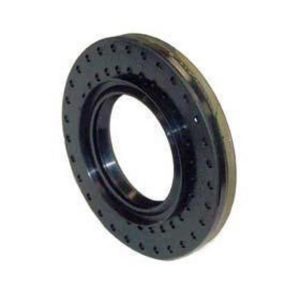
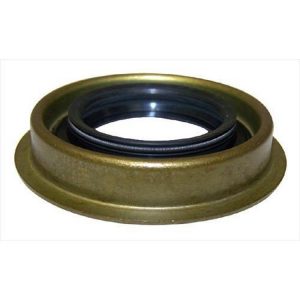
What an inner axle seal does
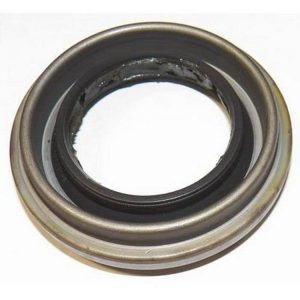
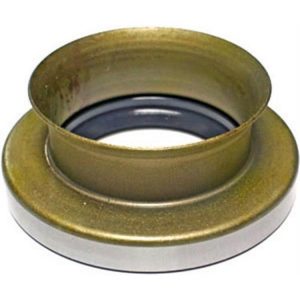
On a front axle, the differential sits in the center section and the axle shafts run out through the tubes to the knuckles. The gear oil that lubricates the differential would run down the tubes into the knuckles and out past the hubs if nothing stopped it, so a seal is pressed into the tube near the center section with its lip riding on the axle shaft. That is the inner axle seal, as distinct from the outer seal at the spindle or hub. On semi-floating rear axles the inner seal does the same job near the differential; on full floating rears such as the early Dana 27 it keeps oil in the housing while the hub runs on its own bearings. Dana 44 rear housings use an inner seal as well.
Symptoms of a failed seal
A leaking inner seal shows up as gear oil weeping from the front hub or spindle area, a wet inner knuckle, and a differential that keeps needing a top-up with no visible leak at the cover or pinion. On a Dana 30 with a vacuum disconnect, oil in the disconnect housing or dripping from its vent is a sign the intermediate shaft seal is gone. Any of these also means the knuckle bearings and spindle bearings have been running in gear oil rather than grease, so inspect them when you do the seal.
Identifying the right seal
- Know the axle model: Dana 25, 27, 30, 35, 44, 50 or 53. The tag on the cover bolt or the casting number on the housing confirms it, and the bill of materials number ties it to a vehicle.
- Know the position: front or rear, and left or right when the listing specifies a side. The Dana 30 disconnect axle uses a different seal on the passenger side intermediate shaft than on the driver side.
- Know the shaft diameter where the seal rides. Dana 44 fronts used more than one shaft size over the decades, and the JK Dana 44 uses its own tube seal and guide.
- Match the Jeep: a Dana 30 seal for a 1984 to 2001 XJ, ZJ and TJ also fits CJs with the Dana 30, but Willys Dana 25 and 27 seals are a different part.
Replacing an inner axle seal
The job is easier than it sounds but requires pulling the axle shaft. With the vehicle supported on stands and the wheel off, remove the brake caliper and rotor, the hub or unit bearing and the shaft. The old seal usually comes out with a long seal puller or a length of pipe from the differential side, with the carrier removed on some axles. Clean the tube bore, check it for scoring, and drive the new seal in squarely with a seal driver or a suitable pipe until it seats. Lube the lip with gear oil, then slide the shaft back through carefully so the splines do not nick the lip; a plastic bag over the spline helps. Install a guide, where supplied, to center the shaft on the way in. Refill the differential to the fill plug and check for leaks after the first drive.
The Spidertrax Seals-It insert is a different idea: a stretchy secondary seal that fits over the shaft inside the tube to add a second barrier on built axles with aftermarket shafts of 27 to 40 splines. It is designed for the Spidertrax oil seal kit and helps on rigs that see deep water or run with the vent submerged.
While you are in there
Check the axle shaft for a wear groove where the old seal ran; a grooved shaft will leak past a new seal and may need a repair sleeve or replacement. Replace the outer spindle or hub seals and repack the bearings on older Jeeps, and check the differential vent hose, because a plugged vent pressurizes the housing and pushes oil past good seals.
Popular Inner Axle Seals brands
Inner Axle Seals FAQ
How do I know if my inner axle seal is leaking?
Gear oil appearing at the inner side of the knuckle, a wet spindle or hub area, and a differential that needs topping up with no leak at the cover or pinion all point to the inner seal. On a vacuum disconnect Dana 30, oil in the disconnect housing means the intermediate seal.
Do I need to remove the differential carrier to replace the seal?
It depends on the axle. Many inner seals can be pulled and driven from the tube side once the shaft is out, using a long driver. On some housings the carrier must come out to reach the seal. A seal driver or pipe of the right diameter prevents a cocked seal.
Are inner axle seals side specific?
Sometimes. The Dana 30 with a vacuum disconnect uses a dedicated intermediate shaft seal on the passenger side, and some listings name a front left or rear position. Standard Dana 44 and Dana 35 inner seals are generally the same for both sides. Check the listing.
Why does a new inner axle seal keep leaking?
The common causes are a groove worn into the shaft where the lip rides, a seal lip nicked by the splines during installation, a seal driven in crooked, or a plugged differential vent that pressurizes the housing. Inspect the shaft and the vent before fitting another seal.