
Replacement Parts
Showing 289–300 of 578 resultsSorted by popularity
-
-
-
CJ T170 Series Transmissions
Crown Automotive Rear Cluster Shaft Bearing – 83506080
- Crown Automotive rear cluster shaft bearing, part number 83506080
- Made for AX15 transmissions
- Roller-style bearing supplied with its snap ring
- Fitment covers Cherokee XJ, Grand Cherokee ZJ, Wrangler TJ and Wrangler YJ
SKU: CRO83506080 -
-
-
-
-
-
-
CJ Replacement Suspension
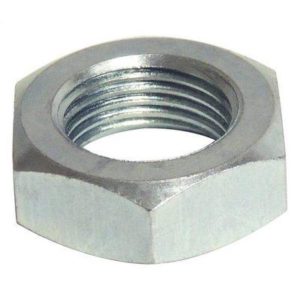
Crown Automotive Pitman Arm Nut – J3200501
- Crown Automotive pitman arm nut, part number J3200501
- Fits Jeep CJ, YJ, TJ, JK, XJ, MJ, ZJ, SJ and J-Series vehicles
- Manufacturer fitment list includes Jeep and Dodge models from 1972 to 2018
- Alternate code CROJ3200501
SKU: CROJ3200501 -
CJ Replacement Lighting
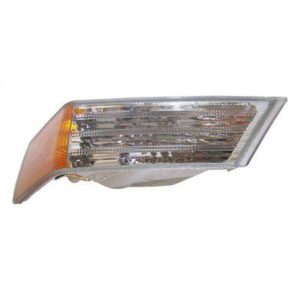
Crown Automotive Parking/Turn Signal Light Assembly – 68004181AB
- Crown Automotive driver side parking and turn signal light assembly, part number CRO68004181AB
- Front left position, without hatchback note
- Fits 2007–2017 Jeep Patriot in several trims
- Direct-fit listing
SKU: CRO68004181AB




What this category covers
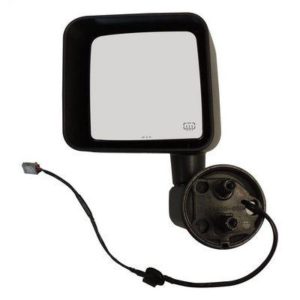
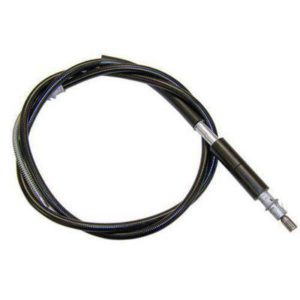
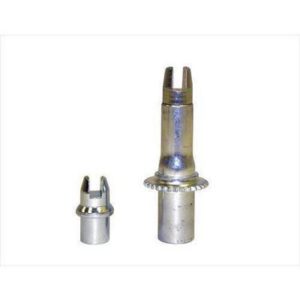
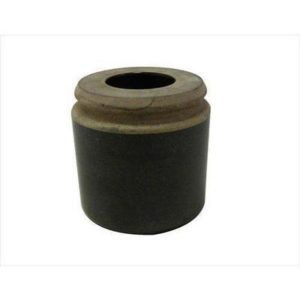
Replacement parts are the components that restore a vehicle to working order, as opposed to upgrades that change how it performs. This branch of the catalog spans nearly every system on an older Jeep or similar 4x4: engine gaskets and seals, cooling hoses and radiators, brake hardware, axle and differential parts, steering components, electrical and lighting parts, mirrors, doors, tailgates and frame repair pieces.
The sample listings show how wide the range is, from a thermostat gasket and a fuel tank strap to a Dana 35 differential carrier and a TJ torque box repair piece. Most are sold by part number, so the subcategories are the fastest way to narrow things down.
Finding the right part
Start with the system that is failing, then identify the exact vehicle: model year, body style, engine size, transmission and axle type. Many parts differ between a 2.5L four-cylinder and a 4.0L six, or between a Dana 30 and a Dana 44, even within the same model year.
Useful details to gather before you shop:
- Engine displacement and cylinder count, often stamped on the valve cover or listed on the emissions label
- Transmission and transfer case model
- Front and rear axle model, found on the axle tag or by measuring the differential cover
- Left or right side, driver or passenger, and whether the part is sold individually
OEM-style versus upgraded parts
Many listings are direct replacements built to match the original part, which is the right choice for a stock rebuild or a restoration. Where a part has a known weak point, such as a worn track bar or a rusted torque box, a heavier-duty or reinforced version may be worth considering. Compare material, included hardware and what the listing says about fitment.
Some items, like the torque box repair, ship as raw steel and require welding and paint, so read the full description before deciding.
Installation and safety notes
Replace related wear items together when it makes sense: a water pump with the thermostat and hoses, or both tie rod ends on an axle. Steering, brake, suspension and axle parts are safety-critical. Follow the factory service manual for torque specifications, use new cotter pins and fasteners where specified, and have the work done by a qualified shop if you are not equipped to do it. Have the alignment checked after steering or suspension work.
Inspection habits and common mistakes
Many replacement jobs go wrong because of a small oversight rather than a bad part. Before removing anything, take photos and lay the old part beside the new one to compare mounting holes, connector shapes, hose diameters and overall length. A mismatch found on the bench costs minutes, while one found halfway through an installation can leave a vehicle immobile.
- Replace fasteners, clips and gaskets that are corroded, stretched or single-use rather than reusing them
- Penetrating oil applied the day before makes rusted bolts on older frames and exhaust studs far less likely to snap
- Keep a list of part numbers you have installed, with the date and mileage, so future repairs are easier to match
- Fluids drained during a repair, such as coolant or gear oil, should be replaced with the type the manufacturer specifies
- After any brake, steering or suspension repair, test the vehicle at low speed in a safe area before driving normally
Older Jeep platforms often changed small details during a production run, so a part that fits an early model of a given year may not fit a late one. Treat the year range in any listing as a starting point and confirm with your vehicle's identification number or the factory parts diagram.
Popular Replacement Parts brands
- Crown Automotive (317)
- Omix-Ada (197)
- RT Off-Road (15)
- Jeep (8)
- Dana Spicer (8)
- Kentrol (8)
- Key Parts (7)
- Rugged Ridge (5)
- MTS Company (4)
- Classic Tube (1)
- Mishimoto (1)
- Griffin Thermal Products (1)
Shop Replacement Parts by type
- Replacement Body Parts (84)
- Engine Parts (77)
- Brake Parts (35)
- Suspension Parts (26)
- Clutch Parts (90)
- Electrical Parts (25)
- Cooling Parts (24)
- Mirror Parts (21)
- Steering Parts (19)
- Lighting Parts (16)
- Door Parts (15)
- Fuel Parts (13)
- Dash Parts (12)
- Exhaust (10)
- Drive Shafts and Parts (7)
- Replacement Liftgate Parts (9)
- Heating Parts (5)
- Windshield Frame Parts (5)
- Frames & Related Parts (8)
- Wiper Parts (3)
- Replacement Tailgate Parts (1)
- Steering Column Parts (1)
Replacement Parts FAQ
How do I know a replacement part fits my vehicle?
Match the part number to your factory number when you have it, and confirm year, model, engine, transmission and axle on the product page. When in doubt, check the manufacturer's specifications or the factory parts diagram before you choose a part.
What does a cross-referenced OEM part number mean?
Many aftermarket parts are listed with the original equipment number, such as a Mopar-style part number. It lets you compare a listing to your original part, but you should still verify application notes for engine size and model year.
Should I replace parts in pairs?
For wear items on the same axle, such as tie rod ends, brake hardware or mirror arms, replacing both sides keeps handling and appearance consistent. For one-off failures like a sending unit or gasket, a single part is usually enough.
Can I install these parts myself?
Many gaskets, hoses, mirrors and trim pieces are manageable with hand tools. Brake, steering, axle and suspension parts affect safety, so use proper torque specs and consider professional installation if you lack the tools or experience.