CJ Replacement Suspension lists service parts for classic Jeep CJ models, including shackle bushings, sway bar links, U-bolt nuts, pitman arm nuts, upper shock mounts and complete suspension rebuild kits. Crown Automotive and Omix-Ada supply most of the items here, with RT Off-Road also listed. Check product pages for part numbers and application notes, then compare the products below.
CJ Replacement Suspension
Showing 1–12 of 21 resultsSorted by popularity
-
CJ Replacement Suspension, Replacement Parts, Suspension Parts

Omix-ADA Sway Bar End Link – 18271.08
 CJ Replacement Suspension, Replacement Parts, Suspension Parts
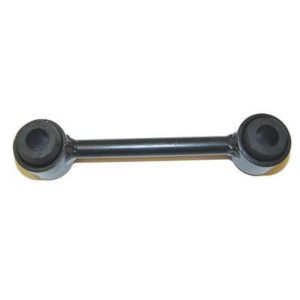
Omix-ADA Sway Bar End Link – 18271.08
- Omix-Ada non-adjustable sway bar end link, part OAI18271.08
- Front left position; driver or passenger side per short description
- Fits 1976–1983 CJ5, 1976–1986 CJ7 and 1981–1985 Scrambler
- Quantity single
SKU: OAI18271.08 -
CJ Replacement Suspension, Replacement Parts, Suspension Parts
Omix-ADA Suspension Master Rebuild Kit – 18290.03
 CJ Replacement Suspension, Replacement Parts, Suspension Parts
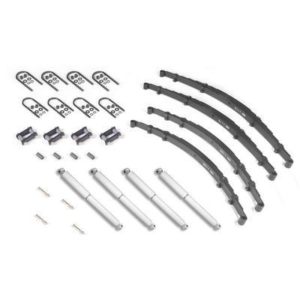
Omix-ADA Suspension Master Rebuild Kit – 18290.03
- Omix-ADA Suspension Master Rebuild Kit, part number OAI18290.03, a direct OE replacement for Jeep CJ suspension
- Manufacturer fitment list covers the 1959–1960 and 1966–1975 Jeep CJ5 (Base, Renegade) and 1959–1960 and 1966–1975 Jeep CJ6 (Base)
- Built to the original specifications, per Omix-ADA
- Limited five year manufacturer warranty
SKU: OAI18290.03 -
CJ Replacement Suspension, Replacement Parts, Suspension Parts
Omix-ADA Front Sway Bar Bushing (Black) – 18283.09
 CJ Replacement Suspension, Replacement Parts, Suspension Parts
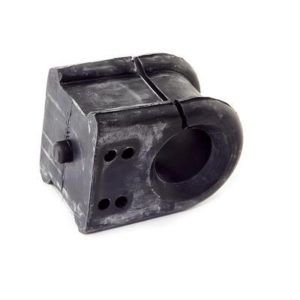
Omix-ADA Front Sway Bar Bushing (Black) – 18283.09
- Omix-Ada front sway bar bushing, black polyurethane, part OAI18283.09
- Fits 1999–2004 Jeep Grand Cherokee (WJ) Laredo, Limited, Overland, Special Edition and Sport
- Direct OE replacement with a limited five year warranty from Omix-Ada
SKU: OAI18283.09 -
CJ Replacement Suspension, Replacement Parts, Suspension Parts
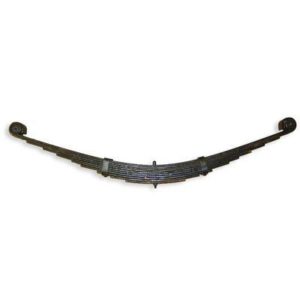
Omix-ADA Front Replacement Leaf Spring – 18201.04
 CJ Replacement Suspension, Replacement Parts, Suspension Parts
Omix-ADA Front Replacement Leaf Spring – 18201.04
- Omix-Ada front leaf spring, part OAI18201.04, for listed Jeep CJ5 and CJ6 years
- 10-leaf factory-style spring pack, single spring, stock height direct replacement
- Position: front; bushings not included
- Covers 1955–1958 Willys CJ-5 and CJ-6 plus 1959–1960 and 1966–1975 CJ5 and CJ6 models
SKU: OAI18201.04 -
-
CJ Replacement Suspension, Replacement Parts, Suspension Parts

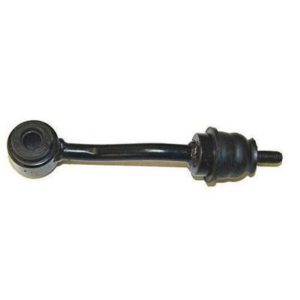
Crown Automotive Sway Bar Link – J5355594
 CJ Replacement Suspension, Replacement Parts, Suspension Parts
Crown Automotive Sway Bar Link – J5355594
- Front sway bar link, non-adjustable
- Notes cover 76-91 SJ full-size and J-series trucks
- Reuses the hardware already on the truck
- Fitment list shows 1976–1988 Jeep J10 and J20 (Base)
- Part number CROJ5355594
SKU: CROJ5355594


About CJ suspension
Jeep CJ models use leaf springs front and rear with shackles, solid axles and, on many versions, a sway bar. Decades of use mean bushings, mounts and fasteners are among the first things to wear out, causing wandering steering, clunks and uneven handling.
This category covers the small and mid-sized wear items that return an older CJ suspension to sound condition.
Common parts
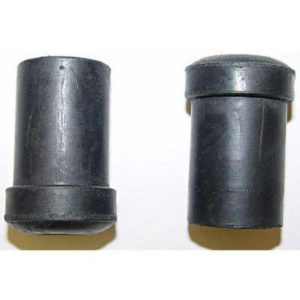
- Spring shackle bushings and rebuild kits restore leaf spring pivots.
- Sway bar links and end links reduce body lean and replace worn rubber.
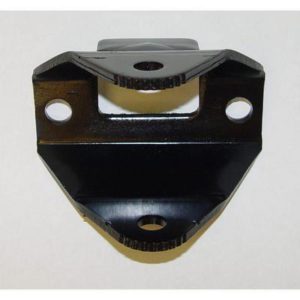
- Upper shock mounts hold the shock to the frame and fail with rust and fatigue.
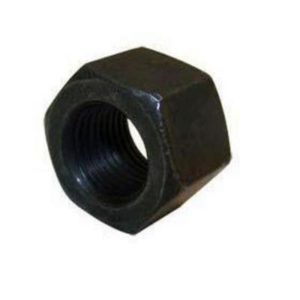
- U-bolt nuts and pitman arm nuts are critical fasteners that clamp the axle or steering arm.
- Master rebuild kits combine bushings and hardware for a full refresh.
Choosing the right parts
CJ models differ by year and wheelbase, including CJ-5, CJ-7 and CJ-8 versions, and parts may vary by axle and by early or late production. Confirm fitment for your exact year, make and model, and check the manufacturer's specifications. Compare your old part with the new one before installation.
Decide between rubber and polyurethane bushings if both are available. Rubber gives a softer ride, while polyurethane is firmer and lasts longer in some conditions but can transmit more noise.
Installation notes
Support the vehicle on jack stands rated for the weight, and unload the suspension carefully before you disconnect components. Soak rusted bolts with penetrating oil, and replace hardware that is stretched or corroded. Use the factory torque specifications, and tighten bushing bolts with the vehicle at normal ride height so they do not bind.
Steering and axle fasteners such as pitman arm nuts and U-bolt nuts are safety critical. Use the correct grade, and use new cotter pins or locking hardware where specified. A professional alignment and inspection after the work is a good idea.
Further checks and care
Questions to ask before you choose
Think about the condition of the whole suspension. Replacing one worn bushing in a tired system may expose the next weak point. Inspect springs for sag or cracks, check shackle plates for wear and look at frame mounts for rust. Decide whether a complete rebuild kit makes more sense than buying individual parts, and plan an alignment check when the work is done.
Measuring and confirming fitment
Identify the model first, since CJ-5, CJ-7 and CJ-8 parts are not always interchangeable. Measure the bushing outside diameter, inside diameter and length, and note the bolt size on shackles, shocks and links. Check the part numbers on old components, if legible, and compare with the listing. Wheelbase, spring type and axle brand can all affect the correct part.
Materials and inspection
Rebuild parts include rubber and polyurethane bushings, steel sleeves, zinc-plated hardware and stamped brackets. Grease fittings, where used, need regular lubrication. Inspect the springs, shackles and frame mounts for cracks and elongated holes every season, and look at shocks for leaks. Replace rusted U-bolts as a set, because they stretch with age. Keep records of what was replaced so that you know where to look when noises develop.
Popular CJ Replacement Suspension brands
CJ Replacement Suspension FAQ
What wears out first on a CJ suspension?
Bushings, shackle hardware and shock mounts are common wear items, and rubber parts crack with age. Clunking, wandering and uneven tire wear can indicate worn suspension components.
Should I use polyurethane or rubber bushings?
Rubber gives a quieter ride and is closer to original, while polyurethane lasts longer and feels firmer. Choose according to how you use the vehicle and whether you mind some extra noise.
Do I need an alignment after replacing suspension parts?
Often yes, particularly if you replaced steering or axle-related parts. Have the alignment checked afterward to avoid tire wear and make sure the vehicle tracks straight.