
Brake parts here are replacement components for older and current Jeeps: rotors, wheel cylinders, parking brake cables and adjusters, master cylinder and booster pieces, and small hardware like bleeder caps. Most items come from Crown Automotive and Omix-Ada, with some Jeep-branded parts. Use the model subcategories (CJ, YJ, ZJ, SJ and JK) and each product page’s part number and year range, then compare the products below.
Brake Parts
Showing 1–12 of 35 resultsSorted by popularity
Shop Brake Parts by type




-
-
-
TJ Wrangler Brake Parts
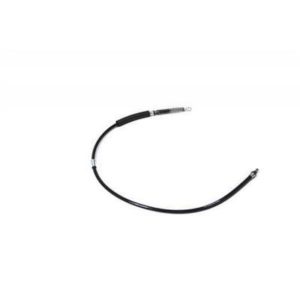
Omix-ADA Emergency Brake Cable – 16730.53
- Rear left emergency brake cable with ABS, Omix-ADA part OAI16730.53
- Fits 2004–2006 Jeep Wrangler (LJ) Unlimited and Unlimited Rubicon
- Direct replacement built to original Jeep specifications
- Covers the driver side rear position
SKU: OAI16730.53 -
-
CJ Brake Parts
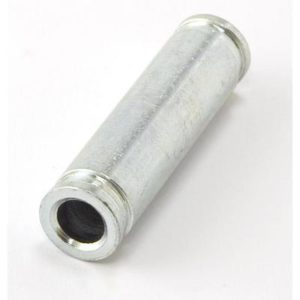
Omix-ADA Brake Caliper Sleeve – 16749.08
- Omix-Ada OAI16749.08 front brake caliper sleeve, a direct OE replacement part number OAI16749.08
- Fits the 1990–2001 Jeep Cherokee (XJ) and 1993–1998 Jeep Grand Cherokee (ZJ)
- Also fits the 1990–1995 and 1997–2006 Jeep Wrangler (YJ and TJ) and 2004–2006 Jeep Wrangler (LJ)
- Backed by a limited five year warranty from Omix-Ada
SKU: OAI16749.08 -




What is in this category
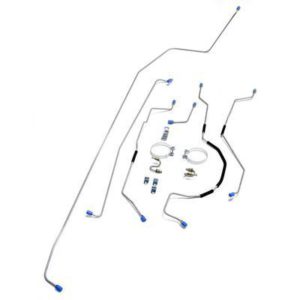
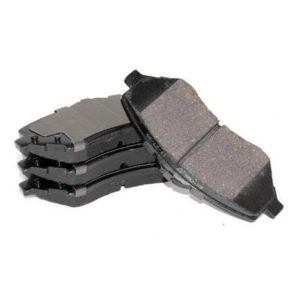
These are replacement parts for the braking system of specific Jeep models, from vintage CJ and SJ vehicles to the YJ, ZJ and JK generations. You will find friction-system parts such as rotors and wheel cylinders, hydraulic parts like master cylinder components, and the hardware that keeps a parking brake working, including cables and adjuster kits. Subcategories sort parts by model so that you can start with the vehicle you own.
Common wear items
- Rotors: listings give details like the front or rear position and diameter, such as a 330 mm rotor made for 17 inch wheels. Replace rotors that are thin, warped, cracked or deeply grooved.
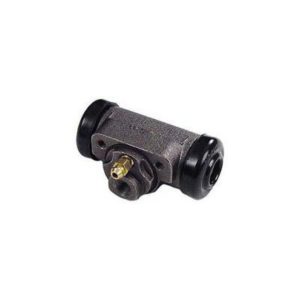
- Wheel cylinders: found on drum brakes, they push the shoes outward. Bore size must match, and leaking cylinders should be replaced.
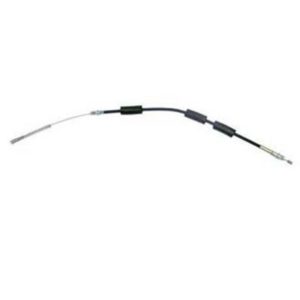
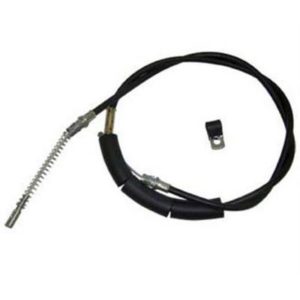
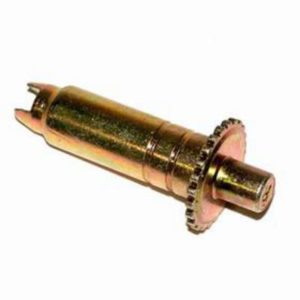
- Parking brake cables and adjusters: stretched or seized cables cause a weak or uneven hold. Some cables are side specific, driver or passenger.
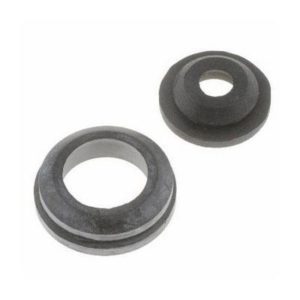
- Booster and check valve parts: a failed check valve or grommet can leak vacuum and make the pedal hard.
- Bleeder caps and small hardware: inexpensive items that keep dirt out of bleed screws.
Matching parts to your Jeep
Brake components vary by year, axle, wheel size, drum or disc layout and trim. Even within a single model, a mid-year change can alter the part. Use the year range on the product page, then confirm fitment for your exact year, make and model, with attention to rotor diameter, bore size and axle type. Compare the part number against your existing component when possible.
Installation and safety
Brakes are a safety system, so professional installation is recommended unless you have the experience and tools. Replace parts in axle sets, so both sides stay balanced. Use new hardware where recommended, torque wheel and caliper fasteners to specification, and bleed the system after opening any hydraulic line. Use fresh brake fluid of the type your vehicle specifies, and never reuse contaminated fluid.
After the work, bed in pads and rotors as the manufacturer directs, and test the pedal and parking brake in a safe area before regular driving. If the pedal feels soft, pulls to one side or makes grinding noises, have the system inspected.
Inspection and common mistakes
Older Jeeps often have brake parts that have aged more than they have worn. Rubber hoses crack, steel lines rust, and fluid absorbs moisture over time, so a brake job on a vintage or high-mileage Jeep should include a look at the whole system, not just the part you bought.
- Inspect hoses and lines. Replace bulging, cracked or leaking hoses and heavily rusted steel lines.
- Do not mix drum and disc parts. Different model years and axles used different layouts, so double-check what is on your vehicle.
- Do not contaminate friction surfaces. Keep grease and brake fluid off rotors, pads and shoes, and clean new rotors of their protective coating if directed.
- Flush old fluid. Fresh fluid protects the master cylinder, wheel cylinders and calipers.
- Check the booster. A hard pedal with the engine running often points to vacuum leaks, a failing check valve or the booster itself.
Popular Brake Parts brands
Brake Parts FAQ
How do I find the right brake part for my Jeep model?
Start with the model subcategory, then match the year range, axle, wheel size and brake type. Confirm fitment for your exact year, make and model, and compare part numbers or dimensions with your existing part.
When should I replace brake rotors?
Replace them when they are below the minimum thickness stamped on the rotor, cracked, warped, or deeply scored. A mechanic can measure thickness and runout. Pads are commonly replaced with rotors for even wear.
Why is my parking brake weak?
Possible causes include stretched or seized cables, worn shoes, a missing adjustment or contaminated friction surfaces. Inspect the cable and adjuster, and have the system checked if it does not hold on a slope.
Do I need to bleed brakes after replacing a wheel cylinder?
Yes. Opening a hydraulic line lets air into the system, so bleed it afterward with the fluid type specified for your vehicle. Air makes the pedal soft and can reduce braking performance.