Replacement brake components for classic Jeep CJ models, including caliper sleeves, bleeder caps and rear rotors. Parts from Crown Automotive, Omix-Ada, RT Off-Road and Jeep help keep older brakes working as designed. Because CJ production spans decades with several axle and brake layouts, check the year and axle before choosing. Review part numbers on each product page, then compare the products below.
CJ Brake Parts
Showing 1–12 of 21 resultsSorted by popularity
-
-
-
-
Brake Parts, CJ Brake Parts, Replacement Parts
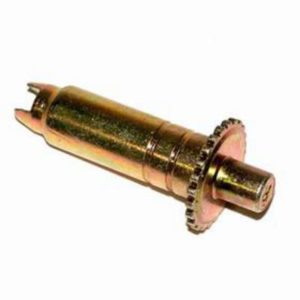
Omix-ADA Brake Shoe Self Adjusting Screw – 16752.10
- Rear right brake shoe self adjusting screw, Omix-ADA part OAI16752.10
- Fits 1982–1989 Jeep CJ5, CJ7, Scrambler, Cherokee XJ and Wrangler YJ
- Direct replacement built to original Jeep specifications
- Sold individually
SKU: OAI16752.10 -
Brake Parts, CJ Brake Parts, Replacement Parts
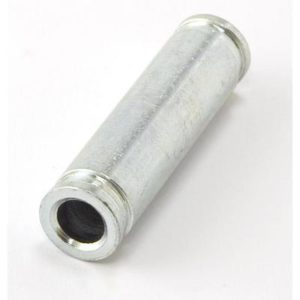
Omix-ADA Brake Caliper Sleeve – 16749.08
- Omix-Ada OAI16749.08 front brake caliper sleeve, a direct OE replacement part number OAI16749.08
- Fits the 1990–2001 Jeep Cherokee (XJ) and 1993–1998 Jeep Grand Cherokee (ZJ)
- Also fits the 1990–1995 and 1997–2006 Jeep Wrangler (YJ and TJ) and 2004–2006 Jeep Wrangler (LJ)
- Backed by a limited five year warranty from Omix-Ada
SKU: OAI16749.08 -
-
-
-
-
Brake Parts, CJ Brake Parts, Replacement Parts

Crown Automotive Parking Brake Hardware Kit – 5093390HK
 Brake Parts, CJ Brake Parts, Replacement Parts
Crown Automotive Parking Brake Hardware Kit – 5093390HK
- Fits 2003–2007 Jeep Liberty (KJ), 2004–2006 Wrangler (LJ) and 2003–2006 Wrangler (TJ)
- Parking brake hardware kit for rear disc brakes
- Includes springs, adjusters, clips and pins
- Part number CRO5093390HK
SKU: CRO5093390HK -
Brake Parts, CJ Brake Parts, Replacement Parts
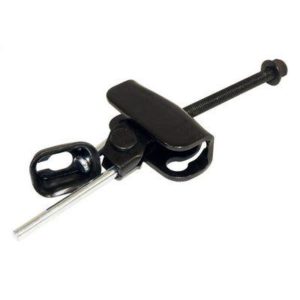
Crown Automotive Parking Brake Adjuster Kit – 52007532
 Brake Parts, CJ Brake Parts, Replacement Parts
Crown Automotive Parking Brake Adjuster Kit – 52007532
- Parking brake adjuster kit, part number 52007532
- Fits the 1998 Jeep Grand Cherokee (ZJ) in 5.9 Limited, Laredo, Limited and TSi trims
- Fits the 1998–2006 Jeep Wrangler (TJ) in several trims
SKU: CRO52009527




CJ brake systems vary
The CJ series was built over several decades, and its brake hardware changed with the years, axles and models. Some use drum brakes at all four corners, while later models have front discs. Axle makers such as Dana and AMC also differ, which affects hub, rotor and caliper dimensions. For that reason, matching the part to your specific CJ model and axle matters more than matching the name.
Parts covered
- Rotors for disc brake conversions or original discs
- Caliper sleeves, bushings and slide hardware
- Bleeder screws and caps, needed to remove air from the system
- Other small hardware and seals that wear with age
Small items such as rubber caliper sleeves and bleeder caps are inexpensive but important. A seized or torn sleeve can cause a caliper to hang, wear pads unevenly or overheat.
Choosing parts for an older Jeep
Check the model year and the axle tag or identification, if present. Compare the rotor diameter, thickness and bolt pattern with what is on the vehicle. Look at whether the Jeep uses a single or dual master cylinder, since this can influence what brake parts it needs. Many CJs have been converted or modified over the years, so inspect what is actually on yours before ordering parts based on the original build sheet.
Service and safety
Brakes are critical to safety. Replace rotors and pads in axle sets for even braking, and inspect brake hoses, lines, wheel cylinders or calipers and fluid at the same time. Old brake fluid absorbs moisture and corrodes parts, so flush it on a regular schedule. Bleed the system after opening any hydraulic part, and test the pedal firmness and stopping at low speed before regular use. If you are not experienced with brakes, have a qualified mechanic do the work.
Fitment
Confirm fitment for your exact year, model, axle and brake type, and check the manufacturer's specifications. Where a part is no longer a direct match, compare dimensions such as rotor diameter and thickness, bolt circle, and hub bore on the old part before accepting a substitute, and keep the removed parts until the replacement is verified. Photograph the setup before disassembly, because drum and disc layouts hold many small springs and clips.
Inspection and common mistakes
Old Jeeps often have problems beyond a single worn part. Check wheel cylinders or calipers for leaks, hoses for cracks and hard lines for rust. Inspect the parking brake cables and linkages, which seize with age. Check the master cylinder for fluid contamination, and replace the fluid if it looks dark. Do not mix parts from different brake systems, and do not reuse hardware that is rusted or distorted. After installation, bed in the new pads and rotors by following the manufacturer's instructions, and check the fluid level after a week of use. If the pedal sinks or feels soft, stop and find the cause before driving further.
Photos and notes taken during disassembly help a great deal on older vehicles, because the order of springs, clips and washers is easy to forget, and different production years do not always arrange them the same way.
Popular CJ Brake Parts brands
CJ Brake Parts FAQ
Do all CJ Jeeps use the same brake parts?
No. CJ models span many years, axle makers and brake designs, from drums to front discs. Parts differ, so confirm the model year, axle and brake type against the listing.
What does a caliper sleeve do?
Caliper sleeves, or slide bushings, let a floating caliper move freely so the pads wear evenly. Torn or dried-out sleeves can cause sticking, noise or uneven pad wear, so replace them with the pads.
Should I replace brake rotors in pairs?
Yes. Replace rotors on both sides of an axle together so braking stays balanced. Pads should be replaced at the same time, and the hardware and fluid checked.