







Crown Automotive vs Omix-Ada: who makes them, how to read their part numbers, where 2,451 and 1,660 catalog parts overlap, and which to buy…
Cooling parts replace worn components of the engine cooling system, including radiators, water pumps and serpentine belts, mostly for older Jeep models. Listings come mainly from Crown Automotive and Omix-Ada, with Mishimoto and Be Cool also represented. The CJ and JK Wrangler branches narrow things further. Compare engine and options, then compare the products below.
Cooling Parts
Showing 1–12 of 24 resultsSorted by popularity
Shop Cooling Parts by type
-
CJ Cooling

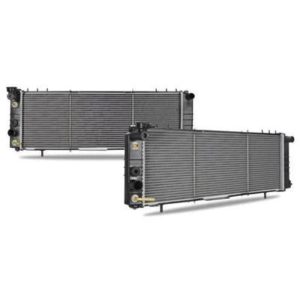
Omix-ADA Replacement Single Core Radiator for 4.0L 6 Cylinder Engine with Automatic Transmission – 17101.21
 CJ Cooling
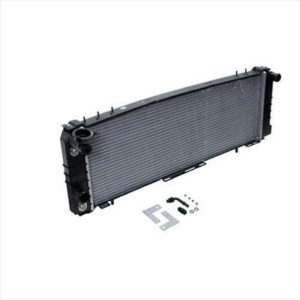
Omix-ADA Replacement Single Core Radiator for 4.0L 6 Cylinder Engine with Automatic Transmission – 17101.21
- Replacement radiator for 4.0L 6 cylinder engines with automatic transmission
- Part number 17101.21, Omix-Ada
- Fits 1991–2000 Jeep Cherokee (XJ)
- Two-core radiator design.
SKU: OAI17101.21 -
-
-
-
-
-
The parts that keep an engine cool
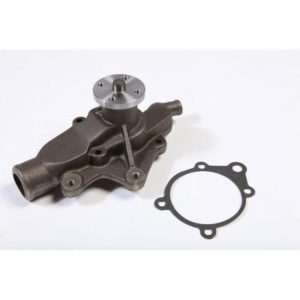
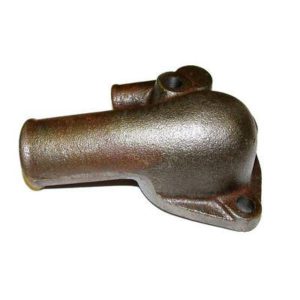
The cooling system moves coolant between the engine and radiator. The water pump circulates it, the radiator sheds heat to the air, the thermostat regulates temperature, hoses carry coolant, and the fan pulls air through the radiator when the vehicle is slow. A serpentine belt usually drives the pump and other accessories, so a failed belt can cause overheating quickly.
Signs of a failing part
- Temperature gauge climbing, especially in traffic or when towing.
- Coolant leaks, drips, or a sweet smell.
- Squealing, chirping or visible cracks on a belt.
- A grinding or whining noise from the front of the engine, or coolant weeping from a pump.
- Radiator with rust, sludge or damaged fins.
Choosing the right replacement
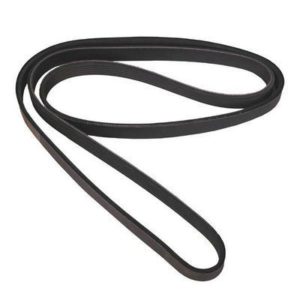
Cooling parts depend on engine size, transmission type and options. For example, radiators are often specific to a 4.0L six-cylinder with an automatic, and belts depend on the engine, whether the vehicle has air conditioning and whether it has power steering. Belt length and rib count must match exactly. Water pumps differ by engine and by serpentine versus V-belt drive. Confirm fitment for your exact year, make and model, and check the manufacturer's specifications and part numbers before ordering anything.
Installation notes
Never open a hot cooling system, since pressurized coolant can cause severe burns. Let the engine cool, drain the coolant into a container and dispose of it properly, because coolant is toxic to pets and wildlife. Replace the thermostat and hoses when you replace a radiator or pump if they are old. After installation, refill with the specified coolant type and mixture, then bleed air from the system according to the service manual. Check for leaks and monitor the temperature on the first drives. If overheating continues, have the system pressure tested by a professional.
Carry basic spares and tools for older vehicles, such as a spare belt, a gallon of the correct coolant, and hose clamps, since cooling failures can strand you far from help. Inspect hoses and clamps at each service, squeezing hoses to look for soft or bulging spots, and keep the radiator fins clear of mud and bent debris.
Inspection and maintenance
Cooling problems are best caught early. Check the coolant level only when the engine is cold, and look at the color and clarity of the fluid. Rusty or oily coolant suggests a deeper problem. Inspect hoses for swelling or cracking, and check the radiator cap seal, since a weak cap lowers the system's pressure and boiling point.
- Follow the recommended flush interval for your coolant type.
- Replace the belt tensioner and idler pulleys if they are noisy, because a bad pulley can destroy a new belt.
- Verify that fan clutches or electric fans engage at the correct temperature.
Match the new radiator's core size, inlet and outlet positions and transmission cooler connections to the old one. If you tow or climb steep trails, a larger capacity radiator may help, but check that it fits the shroud and fan.
Related guides
- Crown vs Omix-Ada: The Jeep Parts Showdown Nobody Explains
Popular Cooling Parts brands
Cooling Parts FAQ
How often should a serpentine belt be replaced?
Intervals vary by vehicle and belt material, so follow the owner's manual. Replace it sooner if it shows cracks, fraying, glazing or squealing, since a failed belt can stop the water pump.
Should I replace the thermostat with a new radiator?
It is a sensible precaution, especially if the old one is aged or the vehicle has overheated. The thermostat is inexpensive relative to the labor, and new coolant flow is easier to confirm.
Can I mix coolant types?
Do not mix coolants unless the label says they are compatible. Use the type and mix ratio specified in your owner's manual, and flush the system when changing types.
Why does my engine overheat after a new radiator?
Common causes are trapped air, a stuck thermostat, a weak fan, or a failing pump. Bleed the system properly and check these items. A shop can pressure test if the problem remains.