
LED Replacement Bulbs
Showing 73–84 of 85 resultsSorted by popularity
-
-
-
LED Replacement Bulbs
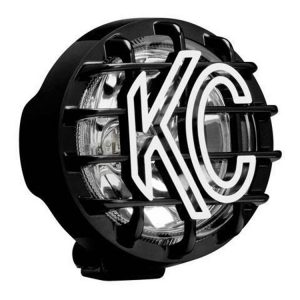
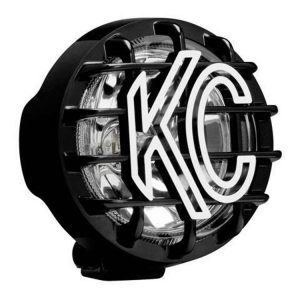
KC HiLites 4 Inch Driving Light 55w – 1490
- KC HiLites 4-inch round driving light, model 1490
- Universal fit, mounts through bumper openings with a bracket
- Replaceable 55w halogen bulb with clear glass lens
- Removable black ABS stone guard included
- Sold as a single light
SKU: K/C1490 -
-
LED Replacement Bulbs
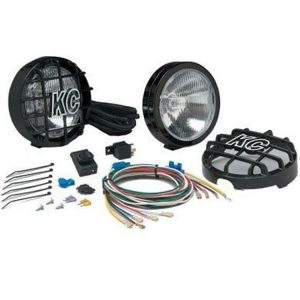
KC HiLites 4 Inch Driving Light System 55w – 490
- KC HiLites 4 inch round driving light system, 55w halogen
- Black housing with glass lens and computer designed reflector optics
- Includes plug-n-play relay wiring harness and removable stone guard
- Universal fit, part 490
SKU: K/C490 -
-
-
-
-
LED Replacement Bulbs
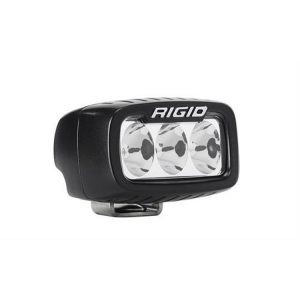
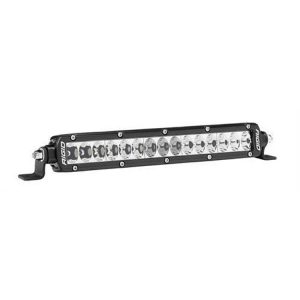
SR2-Series Single Row Driving LED Light
- Universal fit driving light, not tied to a specific vehicle
- 10 in. surface mount housing with 15 white LEDs
- 7-36 VDC input, IP68 rating, 50000 hour rated life
- Plug and play wiring harness, switch and cast bracket listed with the light
- UPC 849774029837
SKU: RIG910613





What an LED replacement is
An LED replacement bulb or lamp swaps halogen or incandescent lighting for light-emitting diodes. LEDs draw less current for a given brightness, run on low voltage and typically last far longer than a filament. The category includes direct plug-in bulbs for stock sockets and complete LED lights that replace a fog or driving lamp, since several listings are lamp units rather than just bulbs.
Check the bulb or lamp size
Automotive bulbs use standard designations such as H4, H11, 9006 or 3157, and the base style has to match the socket. Look up your vehicle's bulb size in the owner's manual or the housing, for the specific position (low beam, high beam, fog, turn signal or reverse). For lamp replacements, compare the mounting pattern and diameter of the existing housing with the new unit.
Key points to compare
- Beam pattern: halogen reflectors and projectors are designed around a filament in a specific place. An LED that does not mimic that position can scatter light and glare other drivers.
- Color temperature: measured in Kelvin, warm white is roughly 3000K to 4000K and cool white is 5000K to 6500K. Very blue light looks bright but does not usually improve visibility in rain or fog.
- Cooling: LEDs need heat sinks or fans, and the housing must have room behind the bulb for them.
- Amber and white options: amber is common for fog and some trail use.
Electrical considerations
Some vehicles monitor bulb current and show a bulb-out warning or cause hyper-flashing on turn signals when an LED draws less power. Resistors or CANbus-compatible products can address that. Check the connector, and make sure the bulb wattage and voltage rating fit your wiring.
Installation and legality
Many bulbs plug in without tools, though some need the headlight assembly or dust cap removed. Aim the headlights after installing and follow the manufacturer's instructions. Rules on headlight color, brightness and the use of non-original bulbs in housings differ by state, so check local regulations, and confirm fitment for your exact year, make and model.
Heat and moisture management determine how long an LED swap lasts. Although LEDs run cooler in front than halogens, the electronics behind the emitter generate heat and need airflow, so make sure the dust cap or boot can still seal without crushing the heat sink. A cap that no longer seals lets moisture into the housing and fogs the lens. Check the bulb for a locking tab or collar designed to keep the emitter at the correct rotation, since many LED bulbs can be turned to adjust the beam.
After installing, test the lamps at night against a wall or garage door at a fixed distance and compare them with the opposite side. A sharp, even cutoff means the beam is working with the housing, while patchy light or glare above the cutoff suggests that the bulb is not suited to that reflector. If the result is poor, return to the stock bulb type or choose a complete lamp made for LED. Remember that some auxiliary lamps in this category are complete units that bolt in place of the old lamp, and need correct wiring and a mounting bracket.
Popular LED Replacement Bulbs brands
- Putco (25)
- Rigid Industries (16)
- Oracle Lighting (16)
- KC HiLites (12)
- Recon (8)
- Pro Comp Suspension (4)
- Hella (2)
- Trail Gear (2)
- Jeep (1)
- Anzo (1)
- Smittybilt (1)
- Piaa Lighting (1)
LED Replacement Bulbs FAQ
Can I put an LED bulb in a halogen headlight housing?
Physically often yes, but the beam pattern may suffer because the housing is designed around a halogen filament. Look for bulbs engineered to mimic the filament position, aim the lights and check local rules.
Why do my turn signals blink fast after an LED swap?
LEDs draw less current, and the flasher interprets this as a burned-out bulb. Load resistors or an LED-compatible flasher fix it. Check the manufacturer's instructions for your vehicle.
What Kelvin rating should I choose?
Many drivers prefer 4000K to 6000K, which looks white. Higher ratings appear bluer and typically do not improve visibility in bad weather. Warmer or amber light can reduce glare in fog or dust.
How do I find my bulb size?
Check the owner's manual, look at the stamped number on the old bulb, or use the manufacturer's application guide. Bulb size depends on the position, such as low beam or fog, so verify each one.