
This category gathers auxiliary off-road lighting: LED light bars, cube pods, round driving lights, fog lamp bulb kits and the mounts that go with them. It suits trail drivers, desert runners and UTV owners who want more usable light after dark. Rigid Industries, KC HiLites, Hella and Vision X are among the brands listed. Open a product page for features and part numbers, then compare the products below.
Offroad Racing
Showing 1–12 of 328 resultsSorted by popularity
-
Offroad Racing
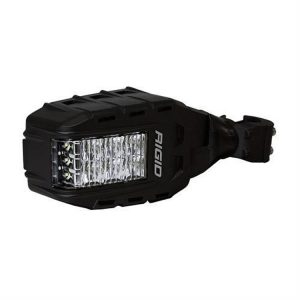
Rigid Industries – Reflect Mirrors – Black – 64011
- Rigid Industries Reflect combines an LED light with a fully adjustable side mirror in one black unit.
- Part number 64011, universal fit.
- Side-Shooter optics give a wide beam suited to cornering.
- Built-in amber LEDs can work as turn signals, flashers or auxiliary running lights.
- Tube mounting clamps are included.
SKU: RIG64011 -
Offroad Racing
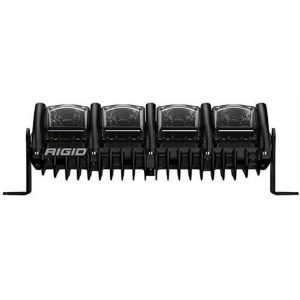
Rigid 10″ Adapt LED Light Bar – 210413
- Rigid Industries 10 inch Adapt LED light bar, part 210413
- Eight selectable beam patterns, 90 degree broad to 15 degree spot
- Active View Technology adjusts the beam as vehicle speed changes
- Includes an Under Dash Module and wiring harness
- Universal fit, LED light source, clear lens, bracket mount
SKU: RIG210413 -
Offroad Racing
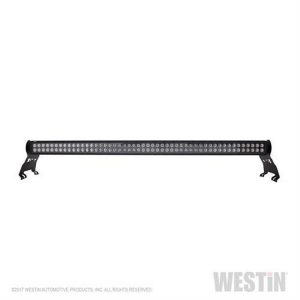
Westin B-Force Roof Mount 50″ LED Light Bar Kit – 09-40015
- Fits 2014–2018 and 2019 Chevrolet Silverado and GMC Sierra 1500, plus 2015–2019 2500 HD and 3500 HD models
- 50-inch double row LED light bar with 300 Watt power output and 27,000 raw lumens
- Combo beam with spot and flood reflectors
- Kit includes laser-cut mounting brackets, wiring harness and mounting hardware
- Drilling required; foam gaskets help protect the vehicle finish
SKU: WES09-40015 -
-
-
-
-
-
Offroad Racing
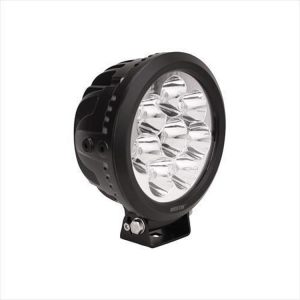
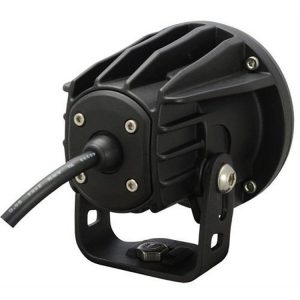
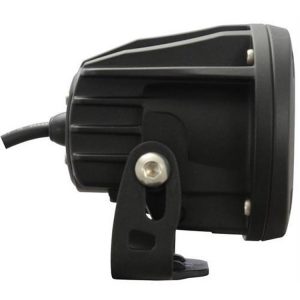
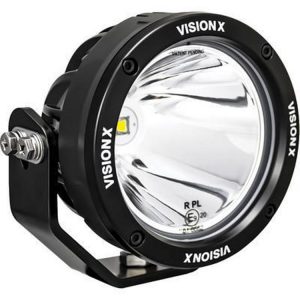
Vision X 4.7″ CG2 Single LED Light Cannon – 9907574
- Vision X 4.7 inch CG2 Single LED Light Cannon, part number 9907574
- Big Chip LED with Iris Reflector; Vision X states reach up to 3,500 feet
- Round clear lens, bracket mounting, universal fit
- Sold as a single unit; UPC 887009907574
SKU: V/X9907574



What belongs in this category
Off-road racing lighting covers auxiliary lamps added to a vehicle beyond its factory headlights. The listings here include long LED light bars in single-row and double-row designs, compact cube and round pods, flush-mount and surface-mount lamps, windshield and roof bracket kits, and a few bulb kits for fog lamps. Many pieces are sized for Jeeps, trucks and side-by-sides.
Choosing a beam pattern
Beam pattern matters as much as raw output. A spot beam throws a narrow, long-reaching column of light that helps at higher speeds on open terrain. A flood beam spreads light wide and close, which suits slow rock crawling and wooded trails. Driving and combo patterns mix the two. Diffusion optics soften and widen the light to reduce glare near the vehicle. Many drivers pair a combo bar up high with flood pods low or on the corners.
Specs worth comparing
- Lumens and, more usefully, how the maker rates the beam distance and spread.
- Housing material, lens material and the ingress rating (IP67 or higher is common for dust and water resistance).
- Operating voltage and current draw, so you can size wiring, fuse and relay correctly.
- Mount style: surface, flush, bumper, roof, A-pillar or windshield bracket.
- Whether a wiring harness, switch and hardware come in the box.
Wiring and installation
Use a relay-driven harness with an inline fuse rated for the lights' draw rather than wiring lamps directly through a dash switch. Keep connections sealed, route wires away from heat and moving parts, and avoid drilling roof or body panels without a plan for sealing the holes. Aim lamps after mounting and tighten brackets securely, since vibration on trails loosens hardware.
Think about how the lights will be used before comparing sizes. A trail rig that crawls slowly benefits from wide flood coverage at the bumper or A-pillar, while a truck that runs fast gravel roads or desert washes wants a long-throw bar. Pods mounted low reduce the glare that bounces back off dust, fog and rain, and a bar mounted high throws light farther over the hood. Do not mount lamps where they block the radiator airflow or where the brackets could be struck by brush.
Heat is another point to consider. LED housings use fins or a solid aluminum body to shed heat, and good thermal design is part of why a quality LED lamp keeps its brightness. Make sure the mounting surface gives the housing some air, and check that lenses are polycarbonate or similarly impact resistant, since rocks and branches are a fact of life off-road. A clear cover can protect lenses from stone chips when the lamps are not in use.
Legal and fitment notes
Auxiliary lights are often intended for off-highway use. Rules on lamp color, number of lamps and use on public roads vary by state, so check local regulations and cover lights when on pavement if required. Confirm mounting points and bracket compatibility for your exact year, make and model, and read the manufacturer's specifications before choosing a product below.
Popular Offroad Racing brands
- Rigid Industries (218)
- KC HiLites (49)
- Hella (35)
- Rugged Ridge (26)
- Vision X Lighting (25)
- ARB 4x4 Accessories (20)
- Piaa Lighting (15)
- Pro Comp Suspension (11)
- Spyder Auto Group (11)
- JW Speaker (10)
- Westin (9)
- RT Off-Road (5)
Offroad Racing FAQ
What is the difference between spot and flood LED lights?
A spot beam is narrow and reaches far down the trail, while a flood beam spreads wide and lights the area close to the vehicle. Combo lights blend both patterns. Many off-roaders mix them, using spot for distance and flood for slow technical terrain.
Can I use off-road LED lights on the street?
In most states, auxiliary off-road lights are meant for off-highway use only and may need to be covered or switched off on public roads. Rules differ by state, so check your local regulations and the manufacturer's guidance before driving on pavement with them on.
Do I need a relay for an LED light bar?
A relay is strongly recommended. It lets a small switch control the load while power flows through a fused wire straight from the battery. This protects the switch and wiring and gives the lights consistent voltage, especially with longer bars or several pods.
What does an IP67 rating mean on a light?
IP67 means the housing is sealed against dust and can survive temporary immersion in water, typically up to one meter for 30 minutes. It is a common benchmark for off-road lights that see rain, mud and creek crossings. Check the maker's listed rating for each model.