
Suspension Block and U-Bolt Kit
Showing 25–35 of 35 resultsSorted by popularity
-
Lift Kits, Suspension & Shocks, Suspension Accessories, Suspension Block and U-Bolt Kit

Pro Comp 5.5 Inch Rear Lift Block – 95-551SD
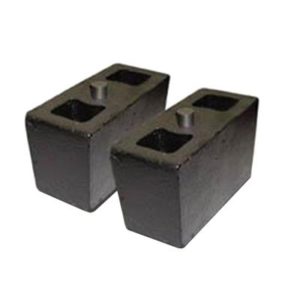 Lift Kits, Suspension & Shocks, Suspension Accessories, Suspension Block and U-Bolt Kit
Pro Comp 5.5 Inch Rear Lift Block – 95-551SD
- 5.5-inch and up rear lift block for leaf spring trucks
- Universal fit, no vehicle listed
- Part number 95-551SD
- Engineered for steering and suspension geometry
SKU: EXP95-551SD -
Lift Kits, Suspension & Shocks, Suspension Accessories, Suspension Block and U-Bolt Kit
Pro Comp 3.5 Inch Rear Lift Block – 95-351
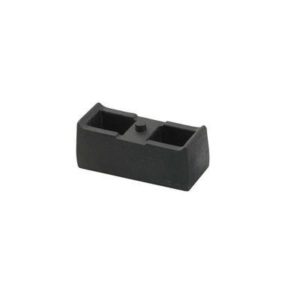 Lift Kits, Suspension & Shocks, Suspension Accessories, Suspension Block and U-Bolt Kit
Pro Comp 3.5 Inch Rear Lift Block – 95-351
- Pro Comp 3.5 inch rear lift block, part 95-351
- Tapered cast iron riser with 9/16 inch pin size
- Fits 1999 to 2013 Chevrolet Silverado 1500 and GMC Sierra 1500
- Sold as each
SKU: EXP95-351 -
Lift Kits, Suspension & Shocks, Suspension Accessories, Suspension Block and U-Bolt Kit
Pro Comp 3 Inch Rear Lift Block – 95-308
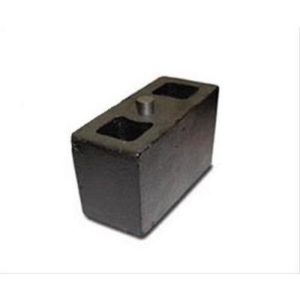 Lift Kits, Suspension & Shocks, Suspension Accessories, Suspension Block and U-Bolt Kit
Pro Comp 3 Inch Rear Lift Block – 95-308
- Pro Comp 3 inch rear lift block, part 95-308
- Tapered cast iron riser block, sold individually
- Fits 2011 to 2016 Chevrolet Silverado 2500 HD and GMC Sierra 2500 HD and 3500 HD
SKU: EXP95-308 -
Lift Kits, Suspension & Shocks, Suspension Accessories, Suspension Block and U-Bolt Kit
Pro Comp 2.5 Inch Rear Lift Block – 95-254F
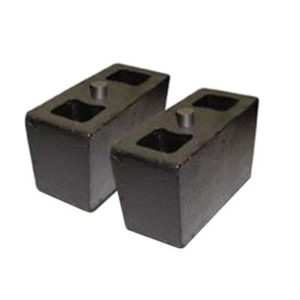 Lift Kits, Suspension & Shocks, Suspension Accessories, Suspension Block and U-Bolt Kit
Pro Comp 2.5 Inch Rear Lift Block – 95-254F
- 2.5-inch rear lift block for leaf spring trucks
- Sold in pairs, one set for both rear springs
- Tapered for driveshaft angles
- Universal fit, no vehicle listed
- Part number 95-254F
SKU: EXP95-254F -
Lift Kits, Suspension & Shocks, Suspension Accessories, Suspension Block and U-Bolt Kit
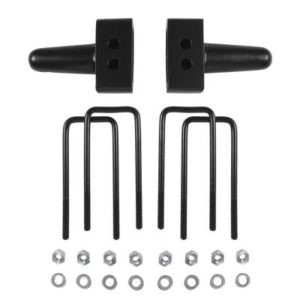
Pro Comp 1.5″ Rear Block and U-bolt Kit – 62208
 Lift Kits, Suspension & Shocks, Suspension Accessories, Suspension Block and U-Bolt Kit
Pro Comp 1.5″ Rear Block and U-bolt Kit – 62208
- Pro Comp 1.5-inch rear lift using lift blocks and u-bolts
- Part number 62208
- For 4WD Ford F-150 trucks; not for Raptor models
- Includes all necessary hardware and installation instructions
- Wheel alignment required after installation
SKU: EXP62208
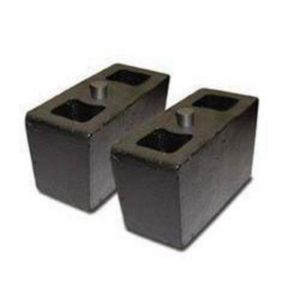
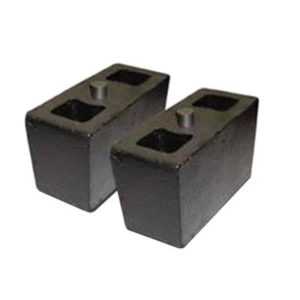

How lift blocks work
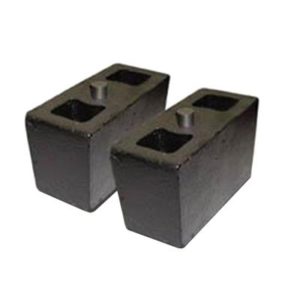
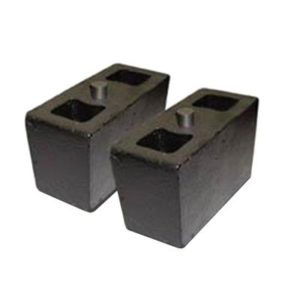
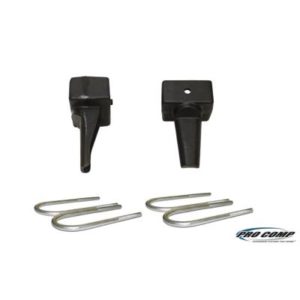
On a leaf-spring truck, the axle normally sits against the spring pack. A lift block is a spacer placed between the two, which raises the rear of the vehicle by the block height. Longer U-bolts hold the axle, block and spring together. Block kits are a simple, widely used way to level a truck that sits nose-low or to add rear lift to match a front lift.
Cast, fabricated, flat and tapered
- Cast iron blocks: OEM-style and common, often with an integrated pin and in some cases a bump stop.
- Fabricated steel blocks: made from steel plate and sometimes powder coated.
- Flat blocks: keep the axle angle as it is.
- Tapered blocks: angled so the axle pinion can be tilted back to reduce driveshaft angle.
Listed heights here run from 1 inch to 6.5 inches. Note that taller blocks increase leverage on the spring and axle, and tall blocks can cause axle wrap, so many people prefer new springs for larger lifts.
What to check
- Block height and taper angle.
- Spring width and U-bolt thread size and length: examples include 9/16 inch and 5/8 inch threads.
- Center pin style: single or double pin and size.
- Driveshaft type: some listings mention they are only for trucks with two-piece driveshafts, which may require a carrier bearing spacer.
- Air spring compatibility: some blocks do not suit factory or add-on air springs.
Installation and safety
Support the frame on jack stands and the axle on a separate jack. Replace the U-bolts with the longer ones provided, tighten them evenly in a crisscross sequence to specification, and recheck after driving. A lift changes driveline angles, brake line length and headlight aim, and may need shock extensions, so plan for those items and an alignment. A rear lift that is too large without the matching front lift can upset handling, and suspension modifications are safety related, so use a professional installer when in doubt. Check state regulations on vehicle height.
Consider how a lift affects the rest of the truck. Raising the rear without changing the front can create a rake, which alters headlight aim, steering feel and the way the truck handles under load. Many owners pair rear blocks with front leveling to keep the stance even. After installing blocks, check the driveshaft angles at the transfer case and axle, since a higher axle can cause vibration, and confirm brake lines and the parking brake cable are long enough for full droop.
Blocks also change how the axle responds to torque. Because the spring now sits farther below the axle, hard acceleration can cause axle wrap, where the housing twists and the spring becomes S-shaped. Traction bars or similar parts can help control this. Always use the supplied U-bolts and nuts and never reuse old ones, and recheck torque after the first few miles, because spring packs settle. Rust on the spring perch and the block seat should be cleaned off before installation so the surfaces sit flat.
Fitment
Match your exact year, make, model, cab and axle width to the product listing and manufacturer's specifications before choosing a product below.
Popular Suspension Block and U-Bolt Kit brands
Suspension Block and U-Bolt Kit FAQ
How much will a block kit lift my truck?
A block lifts the rear by about its height, so a 3 inch block adds roughly 3 inches at the axle. Final ride height depends on load and spring condition. Always match the rear lift to your front lift or leveling plan.
What is the difference between flat and tapered lift blocks?
Flat blocks raise the axle without changing its angle. Tapered blocks are angled so the pinion can be tilted upward to reduce driveshaft angle, which helps vibration on taller lifts.
Are lift blocks safe for towing or hauling?
Blocks can be used on trucks that haul, but taller blocks increase stress on springs and axle mounting and can cause axle wrap. Use correct U-bolts, follow torque specifications and have the installation checked.
Do I need longer U-bolts with lift blocks?
Yes. The block adds height, so the original U-bolts are too short. Kits include extended U-bolts and hardware, and they should be tightened evenly in a crisscross pattern to specification.