



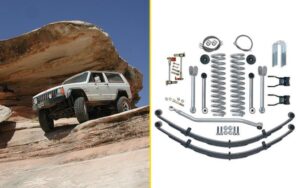
A complete XJ 4.5 lift needs coils, leaf springs, control arms, a track bar, shocks and brake lines. See the parts, axle limits and…
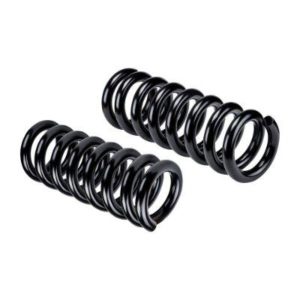
These coil springs replace or upgrade the factory springs on lifted and trail-built vehicles. The range includes lift springs from about 2 to 5.5 inches, stock-height replacements, dual and triple rate designs, and spring isolators. Brands include ARB 4×4 Accessories, Rock Krawler, Fabtech, and Skyjacker. Each product page lists part numbers, location, and height.
Coil Springs
Showing 1–12 of 338 resultsSorted by popularity
-
Coil Springs
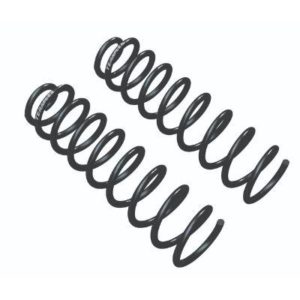
Rock Krawler 3.5 Inch Lift Heavy-Duty Coil Springs
- Rock Krawler 3.5 inch heavy-duty rear coil spring, part number RK02002
- Fits 2007–2016 Jeep Wrangler JK, two- and four-door models
- Preset to minimize settling, shot peened and powder coated black
- Actual lift varies with vehicle accessories and axle positioning
SKU: RKSRK02002 -
Coil Springs
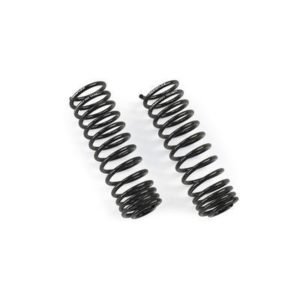
Rock Krawler 3.5 Inch Lift Heavy-Duty Coil Springs
- Rock Krawler 3.5 inch heavy-duty front coil spring, part number RK02001
- Fits 2007–2016 Jeep Wrangler JK, two- and four-door models
- Preset to minimize settling, shot peened and powder coated black
- Actual lift varies with vehicle accessories and axle positioning
SKU: RKSRK02001 -
Coil Springs
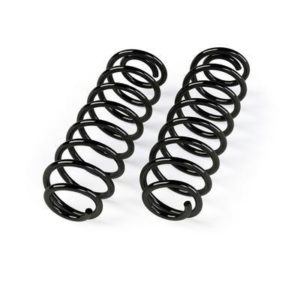
ARB Old Man Emu Coil Spring – 2936
- Heavy load Old Man Emu coil spring for the 1999–2001 Jeep Cherokee XJ and 1999–2004 Jeep Grand Cherokee WJ
- Part number 2936, UPC 9319092023516
- Cherokee covers Classic, Limited, SE and Sport; Grand Cherokee covers Laredo, Limited, Overland, Special Edition and Sport
- Designed for control under a heavier load
SKU: ARB2936 -
-
-
Coil Springs
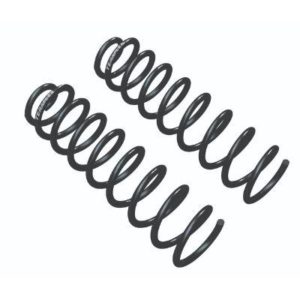
ARB Old Man Emu Coil Spring – 2922
- Medium duty Old Man Emu coil spring for R50 generation Nissan Pathfinder and 2004 Pathfinder Armada
- Part number 2922, UPC 9319092023370
- Fits Pathfinder LE, SE and XE trims, plus Armada LE and SE trims.
- Designed for control and ride comfort under a load
SKU: ARB2922
What coil springs do
Coil springs carry the vehicle's weight and set its ride height, while shocks control how fast the springs move. A replacement spring changes ride height, load capacity, and how the suspension feels over rough ground. Lift springs are taller or have a different rate to raise the vehicle, while heavier springs help with winch bumpers-bumpers-tire-carriers-winch-mounts-2, roof racks, and gear.
Many products here are sold front or rear, as a pair or a set, and are matched to a specific lift height.
Rates and ride quality
- Single rate springs have a constant stiffness.
- Dual rate and triple rate designs start soft for ride comfort and firm up deeper in travel to resist bottoming.
- Progressive and heavy-duty springs are meant to carry added weight without sagging.
- Stock to mild lift springs restore or modestly raise height after sag.
A taller spring does not automatically ride better. Shock length, travel, and control arms should be matched to the spring height.
Choosing the right spring
Match the vehicle, axle position, and cab or door configuration. Weight matters, so a vehicle with a front winch bumper often needs a different spring than a bare stock one. Compare the stated lift range, because actual height depends on your accessories and the vehicle's condition.
Consider the rest of the system. Larger lifts may need longer shocks, a track bar, adjustable control arms, brake line extensions, and driveline checks. Springs should be replaced in axle pairs to keep height even.
Installation and safety
Compressed coil springs store a lot of energy. Use proper spring compressors or follow the instructions for unloading the suspension, and support the vehicle on jack stands rather than a jack alone. Torque hardware to specification and have the alignment checked afterward. Because suspension affects handling and braking, professional installation is advisable. Lift rules vary by state, so check local regulations, and confirm fitment for your exact year, make, and model.
Checklist before you order
Write down your vehicle, front or rear position, door count, engine, and the accessories you carry. Decide whether you want a true lift or only a restoration of stock height. Note the shock length and travel you have or plan to buy, and the tire size you intend to run.
Measure ride height from the center of the wheel to the fender lip on each corner before and after the swap. Springs settle over the first few hundred miles, so wait before judging final height. Keep old springs until the job is complete and confirmed.
Coil spring height and rate are only part of the picture. Springs interact with bump stops, shocks, and sway bars, so replacing only one piece can leave the suspension out of balance. A spring that is too stiff for the shock valving can feel harsh, while one that is too soft can bottom out.
Spring isolators and bump stop spacers also appear in this category. Isolators cushion the spring seat and cut noise, and should be replaced when old rubber hardens or cracks. Take note of the spring seat design on the axle, since some springs have squared ends and others have tapered ones.
Finally, sagging springs on an older vehicle often wear out together, so replacing the pair on each axle, and checking shocks and control arm bushings, usually gives a better result than replacing a single failing spring.
Related guides
- The XJ Cherokee 4.5-Inch Lift: What a Complete Kit Needs
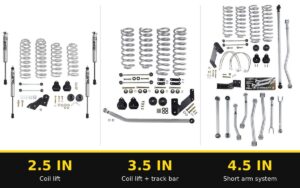
- Jeep JK Lift Heights: 2.5 vs 3.5 vs 4.5 Inch Compared
Jeep JK lift heights compared: the tires 2.5, 3.5 and 4.5-inch lifts clear, the track bars, arms, lines and driveshafts each needs, and which…
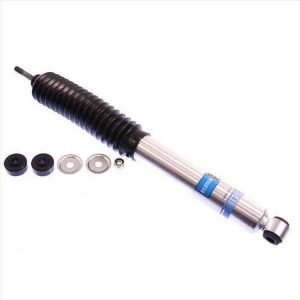
- Bilstein 5100 vs Fox 2.0 Performance: Which Shock for Your Lifted Truck or Jeep
Bilstein 5100 vs Fox 2.0 Performance: body, shaft, reservoir, travel and lift ratings across 417 part numbers, which trucks and Jeeps both fit, how…
Popular Coil Springs brands
- ARB 4x4 Accessories (145)
- Pro Comp Suspension (47)
- Rubicon Express (34)
- Skyjacker (29)
- Fabtech (16)
- TeraFlex (14)
- Rock Krawler (13)
- Icon Suspension (9)
- Omix-Ada (5)
- King Shocks (5)
- Crown Automotive (4)
- RockJock 4x4 (4)
Coil Springs FAQ
Should I replace coil springs in pairs?
Yes, replace both springs on an axle together. Mixing a new spring with an old one can produce uneven ride height and handling. Matching the front and rear set to each other also helps keep the vehicle level.
What is a dual rate spring?
A dual rate spring has two stiffness zones. The softer section absorbs small bumps for comfort, and the firmer section engages as the suspension compresses, which helps resist bottoming out. Triple rate designs add another transition.
Will new springs fix a sagging vehicle?
Often yes, if worn springs are the cause. A stock-height replacement can restore ride height, while a mild lift spring adds some on top. Check shocks and bushings as well, since they wear too.
Do I need other parts with a lift spring?
Often. Taller springs can require longer shocks, brake line extensions, track bar or control arm adjustment, and an alignment. The amount of lift decides what is needed, so read the maker's instructions.