
Driveline Parts
Showing 109–120 of 182 resultsSorted by popularity
-
-
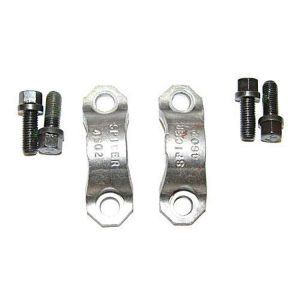
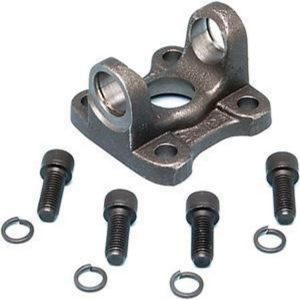
Universal Joint Strap Kit
Dana Spicer GM 3R U-Joint Strap Kit By Dana Spicer – 2-70-48x
- U-joint strap kit for Dana GM 3R and S44 series driveshafts
- Fits a 1.125 in bearing cap, with bolt centers 1.812 in apart
- Part number 2-70-48X, UPC 23913123079
- Includes 2 high strength steel straps and 4 grade 8 bolts
SKU: D/S2-70-48X -
-
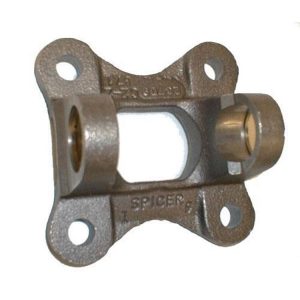
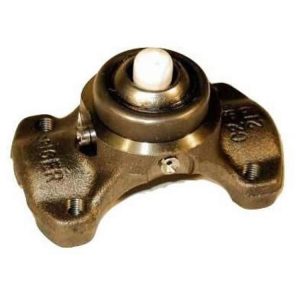
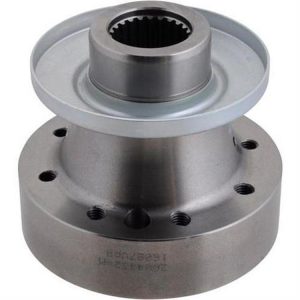
Driveshaft CV Socket Yoke Assembly
Dana Spicer 1310 Drive Shaft CV Socket Yoke Assembly – 211355X
- CV socket yoke assembly for the front driveshaft at the transfer case
- 3.218 bolt circle diameter
- Greasable
- Fits Chevrolet, GMC, Dodge, Ford, Jeep and Plymouth trucks from the 1960s to the 1990s
SKU: D/S211355X -
-
-
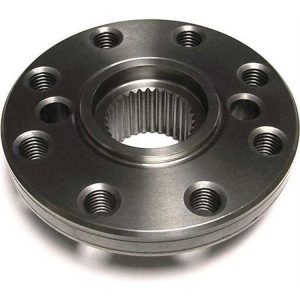
Driveshaft Flange Yoke
Currie 8.8 Inch Ford 1310 Pinion Flange – 88-CF10
- Currie 88-CF10 is a 1310 series companion flange style pinion yoke for stock 8.8 inch Ford car and truck rear-ends
- Eight threaded holes on an 8 on 3 1/2 inch bolt circle, 12mm x 1.75 pitch
- Confirm vehicle years, models and trims before ordering.
SKU: CUR88-CF10 -
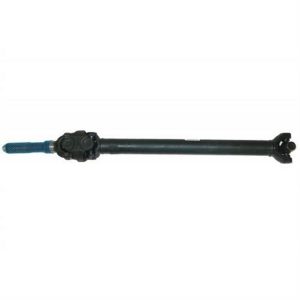
Drive Shaft Spacer
California Super Trucks High Angle CV Style Front Drive Shaft – CSP-C28-6
- High angle CV style front driveshaft for 2017–2018 Silverado and Sierra 2500 HD and 3500 HD
- Dual universal joint cage at the transfer case end
- Designed for the CST 6-8 inch suspension lift and the Duramax and Allison combination
- Requires the CSS-C22-13 shift linkage bracket, sold separately
SKU: CSTCSP-C28-6 -







What the driveline includes
The driveline carries power from the transmission and transfer case to the axles. Drive shafts connect the sections, universal joints let them flex as the suspension moves, and slip yokes let the length change. This catalog branch also includes speedometer gears, flange and pinion yokes, strap and bolt kits, boots, shims and support bearings.
Parts and when you need them
Common reasons to shop this category include the following.
- Vibration or clunking at speed, often from worn universal joints or a bent shaft
- Lift kits that change driveshaft angles and call for a CV-style shaft or a spacer or shim
- Torn boots or a worn slip yoke that lets in dirt and loses grease
- Conversion of a pinion yoke from straps to a U-bolt design
- Broken strap or bolt hardware at a transfer case or axle yoke
Choosing the right part
U-joint series such as 1310 and 1410 refer to the size of the cap and yoke, so confirm the series before ordering. Shaft listings note front or rear, vehicle model, engine, transmission and axle, and the length. Package sets list dimensions and whether yokes and flanges are included.
After a lift, check driveshaft angles. CV or double-cardan shafts, such as the CVF-style shafts in the sample listings, handle larger operating angles, but they still need correct pinion angle. Heavier-duty parts matter if you run big tires or add a locker.
Installation and balance
Mark the drive shaft position before removal so it returns in phase, and support it so it does not hang from a joint. Torque bolts and straps to the manufacturer's specifications. Use threadlocker only where specified.
Grease any serviceable joints and slip yokes at the interval in your manual. A vibration after installation can come from a wrong angle or an unbalanced shaft, and drivelines are safety-critical rotating assemblies, so consider professional installation and balancing if you have any doubt.
Keep an eye on your service intervals. Drive shaft joints, slip yokes and support bearings that are greased on schedule last far longer, and a quick look for dried grease, rust-colored dust at the cap or play in a joint can catch problems before a breakdown on the trail.
Inspection, angles and avoiding vibration
Driveline vibration is one of the most common complaints on modified 4x4s, and it is usually caused by angles rather than by a defective part. For a standard two-joint shaft, the angles at both ends should be close to equal and opposite, and ideally small. A lift, a transfer case drop or a change in axle position can change them. Measuring with an angle finder at ride height gives a good baseline.
- Inspect U-joints for play by twisting the shaft, and replace any that feel notchy or loose
- Look for rust-colored dust at the caps, which signals dry or failing joints
- Check that the slip yoke has enough engagement in the transmission or transfer case at full droop
- Make sure the shaft is not rubbing on the skid plate, crossmember or exhaust at full compression
- Verify the flange yokes and companion flanges are clean and flat, and use the correct bolts
Mistakes to avoid include running worn joints on a new shaft, reusing damaged strap bolts and ignoring a small vibration. A shaft that has been dented, or that has lost a balance weight, can shake the whole vehicle. If a vibration appears only at a certain speed, note it and have the shaft balanced, since driveline failures at highway speed can be dangerous.
Popular Driveline Parts brands
- Crown Automotive (32)
- Rubicon Express (27)
- Rugged Ridge (24)
- Dana Spicer (17)
- Pro Comp Suspension (14)
- G2 Axle and Gear (13)
- Trail Gear (12)
- Omix-Ada (10)
- J.E. Reel (7)
- Fabtech (5)
- TeraFlex (5)
- Rough Country (5)
Shop Driveline Parts by type
- Drive Shafts (85)
- Speedometer Drive Gear (34)
- Drive Shaft Spacer (12)
- Universal Joint U-Bolt Kit (10)
- Drive Shaft Shim Kit (6)
- Drive Shaft Boot (6)
- Driveshaft Flange Yoke (6)
- Universal Joint Strap Kit (5)
- Drive Shaft Slip Yoke (5)
- Driveshaft Bolt (3)
- Drive Shaft CV Joint Repair Kit (3)
- Driveshaft CV Socket Yoke Assembly (2)
- Drive Line Bearings (2)
- Drive Shaft Pinion Yoke Conversion Kit (2)
- Drive Shaft Slip Yoke Felt (1)
Driveline Parts FAQ
How can I tell if my U-joints are worn?
Symptoms include clunking when shifting between drive and reverse, vibration that rises with speed and visible play when you twist the shaft by hand. Replace them in sets for even wear.
Do I need a new drive shaft after a lift?
Often an adjustment is enough, but larger lifts can push angles beyond what a standard shaft handles. A CV or double-cardan design, spacers or shims may be needed, so check the manufacturer's guidance.
What do 1310 and 1350 mean for U-joints?
They are series numbers that describe the joint's size and strength. Match the series to the yoke on your shaft, since different series are not interchangeable.
Why does my driveshaft vibrate?
Common causes are worn U-joints, a bent or unbalanced shaft, wrong pinion angle after a lift and worn slip yokes. Inspect each in turn, then have balance checked if it persists.