
Lighting for UTVs, including LED whips, light bars and cubes, mounts, and the wiring and harnesses that connect them. Whips raise a flag and a light above the dunes or trail, while bars and cubes light up the path ahead. Brands include Buggy Whip, Rigid Industries, Pro Armor, Axia Alloys and Quick Light. Each product page lists part numbers and details, so you can compare the products below.
UTV Lighting & Whips
Showing 1–12 of 44 resultsSorted by popularity
Shop UTV Lighting & Whips by type


-
UTV Light Mounts,Wires and Harnesses
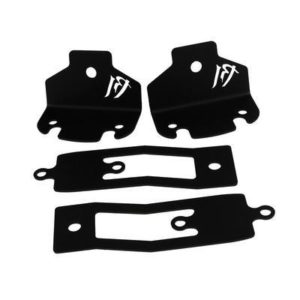
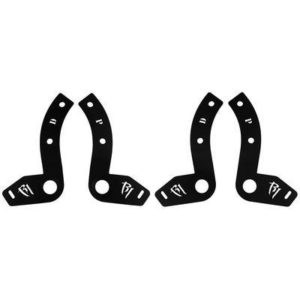
Rigid Industries Rock Light Kit – 46539
- Rigid Industries rock light mounts, part number 46539, for the 2014-2016 Polaris RZR XP 1000
- Bolt into each fender well on the 2014-2016 Polaris RZR XP 1000
- Pairs with any colored Rock Light Kit Rigid offers, sold separately
- Stainless steel with black powder coat and all necessary hardware
SKU: RIG46539 -
UTV Light Mounts,Wires and Harnesses
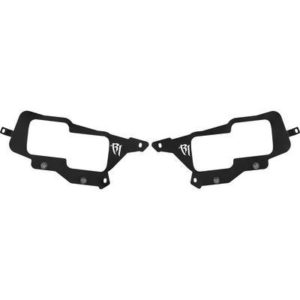
Rigid Industries Headlight Mount – 46554
- Rigid Industries headlight mount kit, part number 46554
- Holds four Rigid D-Series lights, two per side, on the 2014-2016 Polaris RZR XP 1000
- Two plug-and-play wire harness adaptors and all mounting hardware
- Stainless steel mounts with a powder coat that matches Rigid lights
- Professional installation recommended; lights sold separately
SKU: RIG46554 -
UTV Light Mounts,Wires and Harnesses
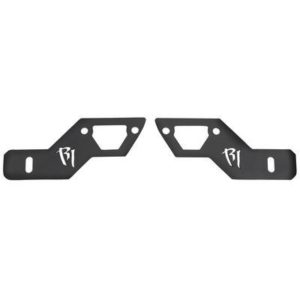
Rigid Industries B-Pillar Light Mount – 46533
- Rigid Industries B-Pillar light mount, part number 46533
- Stainless steel bracket for D-Series lights, fits the 2014-2016 Polaris RZR XP 1000
- Up to 3096 raw lumens for back-up or area lighting
- Lights sold separately
SKU: RIG46533 -
-
UTV Light Bars and Cubes
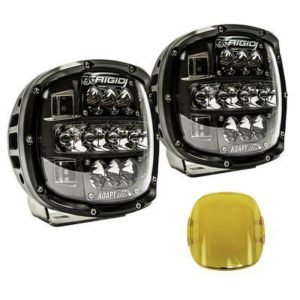
Rigid Industries Adapt XP LED Lights – 300415
- Rigid Industries Adapt XP LED light, part number RIG300415
- Active Power Management and three optic zones for adaptive output
- 40 watts with the power clip in place, 90 watts with it removed (single light)
- Wire harness and switch sold separately
SKU: RIG300415 -
UTV Light Mounts,Wires and Harnesses
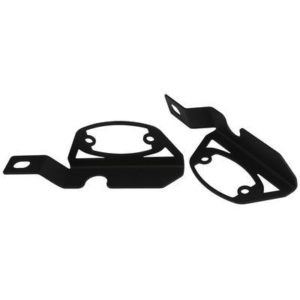
Rigid Industries 30″ E/SR-Series Roof Mount – 46532
- Rigid Industries 30-inch E/SR-Series roof mount, part number 46532
- Bolt-in stainless steel mount that works only with the factory cage
- Includes all necessary hardware, with a limited lifetime warranty
- Lights sold separately
SKU: RIG46532 -
-
-
-
-





Why UTV lighting is its own category
UTVs often come with modest headlights, and they run in dust, dunes, woods and darkness where being seen matters as much as seeing. The parts here fall into three groups: whips for visibility, light bars and cubes for illumination, and mounts and wiring to install them.
LED whips
A whip is a flexible, tall antenna-style pole with an LED strip or lit tip. It lifts a light above the vehicle so others can spot you over dunes and brush, and many carry a flag as well. Listings give the length in feet, such as four or six feet, and the connector type. Common mounting options are threaded bases and quick-release bases that let you remove the whip. Colors vary, and some use several light modes.
Light bars and cubes
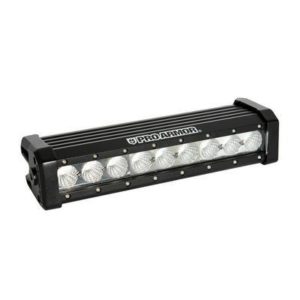
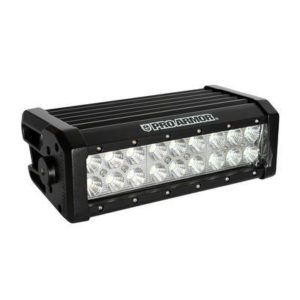
Bars and cubes are LED lamps used for forward lighting. Beam pattern is the main choice. Spot beams reach far down the trail, flood beams spread wide light at short range, and combination patterns mix the two. Dual-row bars and compact cubes also differ in size, power draw and where they fit on a roll cage, windshield frame or bumper.
- Beam pattern: spot, flood or combo.
- Output and power draw: check amperage against your wiring.
- Ingress protection rating for dust and water.
- Mount style and whether hardware is included.
Mounts, wires and harnesses
A mount has to hold the light firmly against vibration, and many are vehicle- or cage-specific. Harnesses typically include a relay, a fuse and a switch, which is the right way to power high-draw lights. Using properly sized wire, a fused circuit and sealed connectors prevents shorts and voltage drop.
Installation notes
Plan the cable route away from heat and moving parts, and use grommets where wires pass through metal. Disconnect the battery before wiring, and cover any exposed splice with heat-shrink. Aim lights so they do not blind riders or drivers ahead, and switch off auxiliary lighting around others. Rules on lighting for off-highway vehicles vary, so check local regulations and any trail-system requirements.
Fitment
Confirm that mounts and harnesses suit your exact UTV model and year, and review the manufacturer's specifications for the power draw of each light.
Choosing wisely and avoiding mistakes
Match the whip length to where you ride. Longer whips are easier to spot over dunes, but they can catch on low branches and overhead obstacles, so choose shorter ones for wooded trails. Pick a mount with the right thread, and check the flag or lens for UV resistance.
- Do not exceed the amperage rating of the switch or the harness.
- Do not aim bars at eye level of oncoming riders.
- Do not rely on one wire connection without a fuse.
Maintenance
Check wiring and mounts after rides because vibration loosens connectors. Wash dust from lenses with water and a soft cloth. Seal exposed connectors with dielectric grease. Inspect the whip's base for cracking, particularly after a rollover or a branch strike.
If you ride in groups, agree on whip and light colors in advance, since consistent signals make it easier to keep track of one another at dusk or in dust.
Popular UTV Lighting & Whips brands
- Gorilla Whips (14)
- Buggy Whip (12)
- Rigid Industries (6)
- Quick Light (3)
- Pro Armor (3)
- Axia Alloys (3)
- Baja Designs (1)
- Oracle Lighting (1)
- Assault Industries (1)
- Rugged Ridge (1)
UTV Lighting & Whips FAQ
What is a UTV whip light for?
A whip raises a lit pole and often a flag above the vehicle so others can see you over dunes, brush or terrain crests. It is a visibility aid rather than a main light for seeing the trail.
Do I need a relay for a UTV light bar?
A relay is strongly recommended for higher-draw lights. It lets a small switch control the load and protects the switch and wiring. A harness with a fuse and relay is the safest approach.
What is the difference between spot and flood beams?
Spot beams are focused and reach farther, which suits fast trail driving. Flood beams spread wide at short range, useful for slow, technical areas. Combination bars mix both patterns.
Are UTV lights street legal?
Not necessarily. UTV lighting rules vary by state and by whether you are on a trail or a public road. Check local regulations and trail rules before using auxiliary lights on public roads.