
Towing
Showing 37–48 of 1114 resultsSorted by popularity
-
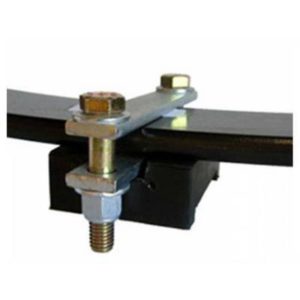
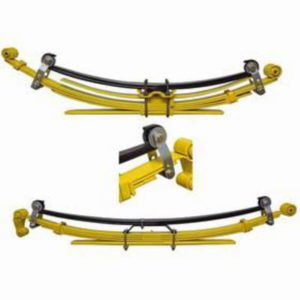
Leaf Spring Helper /Load Leveler Mounting Kits
Supersprings Support Bracket Assembly – P3KT
- Supersprings support bracket assembly, part number P3KT
- Includes poly spring pads and hardware
- Fits 2011–2013 Ford F-250 and F-350 Super Duty in King Ranch, Lariat, Platinum, XL and XLT trims
- Suited to rough road use as an optional upgrade
SKU: SPRP3KT -
Leaf Spring Helper
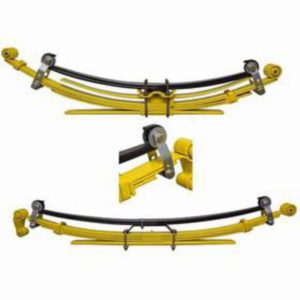
Supersprings SuperSprings – SSA7
- SuperSprings SSA7 leaf helper spring, part number SPRSSA7, for rear leaf springs
- Fits 1971–1998 Dodge B-series vans, 1987–2010 Dodge Dakota and 1993–1998 Toyota T100
- Adjustable, with an 800-6000 lbs capacity range
- Mounts above the rear leaf springs, with the anti-sway design described
SKU: SPRSSA7 -
Leaf Spring Helper
Supersprings SuperSprings – SSA20
- SuperSprings SSA20 leaf helper spring, part number SPRSSA20, for rear leaf springs
- Fits 2004–2015 Nissan Titan and 2016 Nissan Titan XD trims
- Adjustable, with a capacity range of 800-6000 lbs
- Installs directly over the rear leaf springs
SKU: SPRSSA20 -
Leaf Spring Helper
Supersprings SuperSprings – SSA19
- SuperSprings SSA19 leaf helper spring, part number SPRSSA19, for rear leaf springs
- Fits 2005–2013 Toyota Tacoma Base and Pre Runner trims
- Adjustable, with an 800-6000 lbs capacity range
- Installs above the rear leaf springs and works with the factory suspension
SKU: SPRSSA19 -
Suspension Air Helper Spring Kit

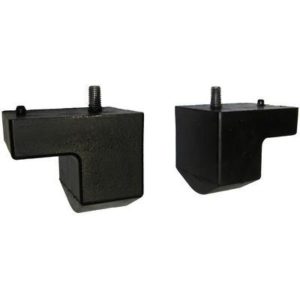
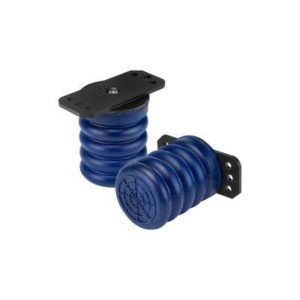
Supersprings SumoSprings Load Leveling Air Bag Springs – SSF-201-47
 Suspension Air Helper Spring Kit
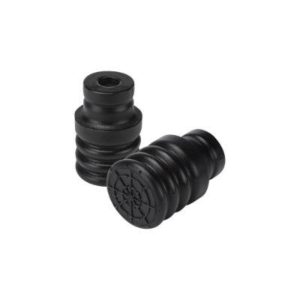
Supersprings SumoSprings Load Leveling Air Bag Springs – SSF-201-47
- Front load leveling springs for selected 2001–2010 Chevrolet Silverado and GMC Sierra trucks
- Maximum load 3000 lbs at 50 percent compression per pair or set
- No drill required; hardware included
- Part number SPRSSF-201-47
SKU: SPRSSF-201-47 -
Coil Spring Helper
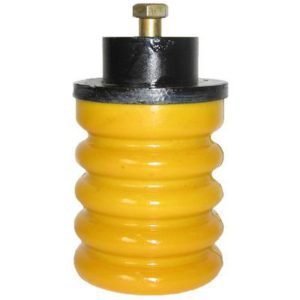
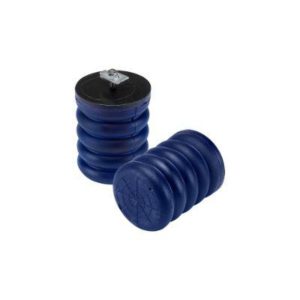
Supersprings SumoSprings Coil Springs Spacers – CSS-1195
- Supersprings SumoSprings coil spring spacers that work in parallel with the existing suspension
- Increased spring rate is said to reduce rear-end sag and improve towing
- Anti-sway properties are said to reduce body roll
- Direct fit for many makes and models
- Part number SPRCSS-1195
SKU: SPRCSS-1195 -
-
Suspension Air Helper Spring Kit
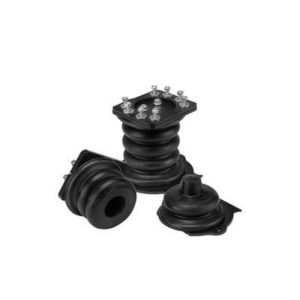
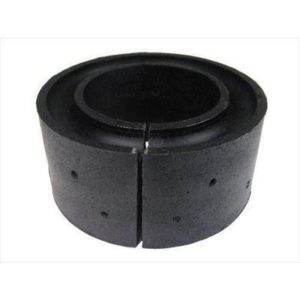
SuperSprings SumoSpring Air Helper Spring Set – SSR-406-47
- Fits the 1997–2006 Jeep Wrangler TJ and 2004–2006 Jeep Wrangler LJ per the manufacturer fitment list
- Sold as a left and right pair of rear SumoSprings
- Patented micro-cellular urethane, maintenance-free, with no air lines or compressors required
- 2500 lb capacity at 50% compression
- Compresses up to 80% of original height with full memory rebound
SKU: SPRSSR-406-47 -
Suspension Air Helper Spring Kit
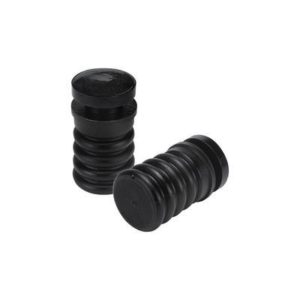
SuperSprings SumoSpring Air Helper Spring Set – SSR-205-40
- SuperSprings SumoSpring air helper spring set, part number SPRSSR-205-40
- Rear position urethane helper springs with no airlines or compressors
- Compresses up to 80% of original height with full memory rebound
- Fitment list covers 1996–2021 Chevrolet Express and GMC Savana 2500 and 3500 models
SKU: SPRSSR-205-40
What belongs in a towing setup
A complete tow setup has several links: a hitch mounted to the vehicle, a ball mount or head, a coupler-compatible ball, wiring, and, for heavier trailers, a brake controller and some form of suspension support. Weak or mismatched parts in any link limit the whole system, so it helps to think of the setup as a chain rather than a shopping list of separate items.
This category spans bolt-on receiver hitches, drop and adjustable ball mounts, gooseneck and fifth wheel mounting hardware, hitch pins and locks, trailer wiring connectors, mud flaps, and air or leaf-spring helpers that firm up the rear of a loaded truck.
Know your ratings first
Start with the numbers on your vehicle's door-jamb label and in the owner's manual: gross vehicle weight rating, gross combined weight rating, and the maximum tow rating. Every component, including the hitch class, ball mount, ball, pin, and trailer coupler, has its own rating, and your usable capacity is the lowest of them all.
Tongue weight matters as much as total weight. A trailer that is too light on the tongue can sway, while one that is too heavy overloads the rear axle and lifts weight off the front wheels. Many tow guides suggest roughly 10 to 15 percent of trailer weight on conventional trailers, but follow the manufacturer's numbers.
Matching hitch type to the job
- Receiver hitches come in classes, commonly I through V, with larger classes using 2-inch or 2.5-inch receiver openings and higher ratings.
- Gooseneck and fifth wheel hitches mount in the truck bed and suit heavy livestock, equipment, and RV trailers.
- Weight-distributing hitches and sway control spread tongue weight across the axles of the tow vehicle and trailer.
- Drop and rise ball mounts level the trailer so the coupler sits at the right height.
Measure from the ground to the top of the receiver and to the coupler of a level trailer before choosing a drop or rise.
Supporting the load and installing safely
Air springs, helper leaf springs, and similar load-leveling kits reduce rear sag when the truck is loaded. They do not raise the vehicle's rated capacity, so never treat them as a way to exceed the ratings on the label.
Many hitches bolt to existing frame holes, but some require drilling, trimming plastic, or removing exhaust parts. Use a torque wrench, follow the specified bolt torque, and recheck after the first few trips. Confirm fitment for your exact year, make, and model, and check the manufacturer's specifications before installing. Professional installation is sensible for gooseneck, fifth wheel, and brake controller wiring.
Common mistakes to avoid
Towing problems usually come from mismatched parts rather than a single bad component. Typical errors include using a ball that is rated below the trailer, ignoring tongue weight, skipping safety chains, and forgetting to confirm that the wiring connector matches the trailer plug.
Before every trip, walk around the rig: check the coupler latch and pin, chain crossing, light function, tire pressure on both vehicles, and brake controller gain. Lock the hitch pin when parked to deter theft.
Popular Towing brands
- Curt Manufacturing (269)
- AirLift (123)
- B&W Hitch (117)
- Firestone Ride-Rite (99)
- DrawTite (67)
- BOLT Lock (58)
- Weigh Safe Hitches (38)
- Smittybilt (37)
- Supersprings (31)
- Fastway Trailer Products (31)
- Husky Liners (26)
- Trimax Locks (22)
Shop Towing by type
- Suspension Load Leveling Kit (190)
- Hitches (200)
- Trailer Hitch Ball Mount (90)
- Brake Controllers & Electrical (118)
- Drop Hitches & Ball Mounts (86)
- Load Leveling Kits & Components (78)
- Trailer Hitch Pin Lock (47)
- Mud Flaps (43)
- Towing Accessories (49)
- Gooseneck Trailer Hitch (34)
- Leaf Spring Helper (26)
- Cargo Management (79)
- Gooseneck Trailer Hitch Mount Kit (16)
- Trailer Hitch Pin (14)
- Fifth Wheel Trailer Hitch Mount Kit (12)
- Truck Bed Cargo Organizer (9)
- Padlock (11)
- Trailer Wire Adapter (10)
- Trailer Hitch Covers (15)
- Fifth Wheel Trailer Hitch Bracket (7)
- Truck Tool Box Lock (8)
- Tow Bar Mounting Hardware (7)
- Fifth Wheel Trailer Hitch Slider (7)
- Trailer Wire Connector (5)
- Tie Down Anchors (6)
- Flasher (7)
- Trailer Brake Control (6)
- Tow Bar (5)
- Safety Chain (2)
- Leaf Spring Helper /Load Leveler Mounting Kits (4)
Towing FAQ
What hitch class do I need?
Match the class to the heavier of your trailer's loaded weight and tongue weight, using the lowest rating in the whole system. Class III and IV 2-inch receivers handle many campers and utility trailers, while heavy trailers may need Class V or a gooseneck. Confirm against your owner's manual.
Do I need a brake controller?
Many states require trailer brakes above a certain trailer weight, and the threshold varies by state. If your trailer has electric brakes, you need an in-cab controller wired to the vehicle. Check local regulations and the trailer manufacturer's guidance.
Can air springs increase my towing capacity?
No. Air springs and helper springs reduce sag and improve stability under load, but your towing and payload limits are set by the manufacturer. Staying within the ratings on the vehicle's label is still required for safe towing.
How do I choose a ball mount drop?
Park the loaded trailer level, then measure from the ground to the top of the receiver opening and to the underside of the coupler. The difference, adjusted for ball height, tells you the drop or rise needed to keep the trailer level.