
Overview
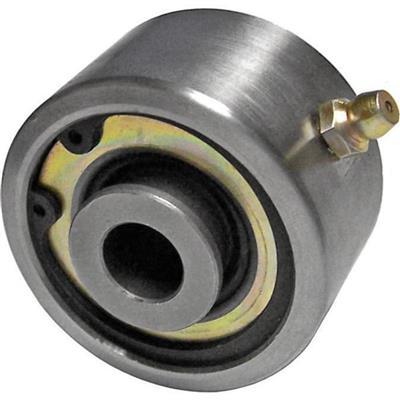
The RockJock 4×4 Narrow Johnny Joint Rod End, part number R/JCE-9112NP-13, is a narrow Johnny joint rod end. A Johnny joint gives 30 degrees of unrestricted movement in any direction, compared with 22 degrees on a common heim joint.
Its high density polyurethane bushing encases a spherical ball, and a zerk fitting is included for lubrication. No year, make or model is named, so the rod end is not matched to a specific vehicle.
Key features
- 30 degrees of unrestricted movement in any direction
- High density polyurethane bushing encasing a spherical ball
- Zerk fitting for easy lubrication
- Part number R/JCE-9112NP-13
Lubrication and joint wear
Polyurethane bushings handle a lot of movement while keeping the ball captive, but they still wear. Grease the zerk after installation and after washing the vehicle, since fresh grease pushes out grit and water. Watch how the joint moves over time, because a bushing that has begun to crack or flatten lets the ball shift inside the housing.
Heim joints and Johnny joints wear differently, so a link swap is worth checking closely. A heim joint tends to show play at the ball and threads, while the bushing in a Johnny joint shows its wear as softness or gaps. Keep spare grease on hand and inspect the rod end at each service interval you set for the vehicle.
- Wipe the zerk clean before greasing
- Look for cracks or flattening in the bushing
- Recheck the jam nut after adjusting length
Specifications
| Brand | RockJock 4×4 |
|---|---|
| Part number | R/JCE-9112NP-13 |
| Model | CE-9112NP-13 |
| Product type | Narrow Johnny Joint rod end |
| Movement | 30 degrees unrestricted, any direction |
| Comparison | 22 degrees on a common heim joint |
| Bushing | High density polyurethane |
| Lubrication | Zerk fitting included |
| Fitment | Universal fit; no vehicle named |
Vehicle fitment
No vehicle is named for this rod end, and universal fit does not confirm a year, make or model. Check the joint size and mounting against your own links before fitting it.
Confirm your vehicle’s year, model and trim before ordering.
Installation notes
The zerk fitting makes the joint easy to grease once installed. No grease interval is given, so follow your own maintenance schedule.
What’s included
The rod end and its zerk fitting are the included items. Plan for jam nuts or other hardware your installation needs.