
Drive Shafts & Drive Shaft Components
Showing 49–60 of 78 resultsSorted by popularity

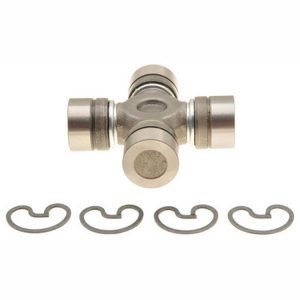


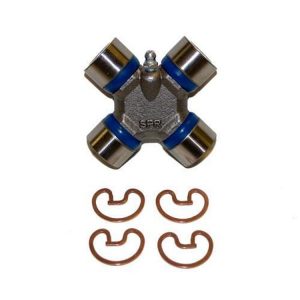

What this category includes
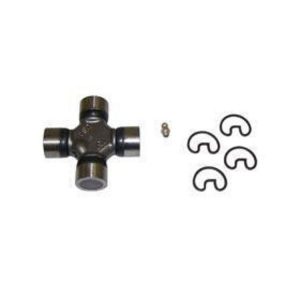
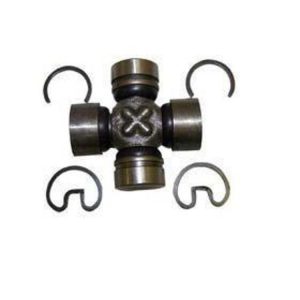
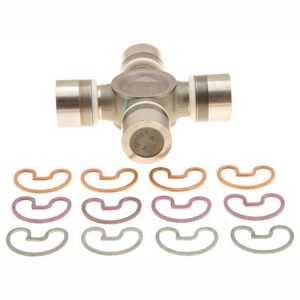
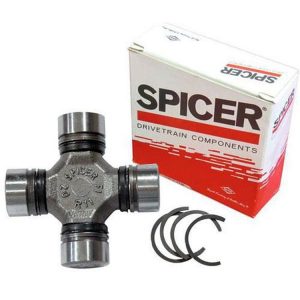
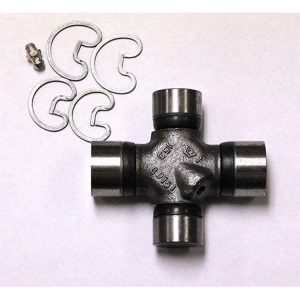
A drive shaft is a rotating tube with a joint at each end that transmits torque while the suspension moves. On a 4x4 you have a front and a rear shaft. This category lists complete shafts as well as the pieces that wear out or that change when you lift the vehicle: universal joints, CV boots, slip yokes, pinion yokes, strap kits, bolts and yoke conversion kits.
When to replace or upgrade
Common triggers are a vibration at highway speed, a clunk when shifting between drive and reverse, or grease slung from a torn boot. Worn U-joints can often be replaced alone, but a bent shaft or damaged tube needs replacement. After a lift, factory shafts may run at steep angles or lack the length to handle extra travel, so a longer or CV-style shaft is a common upgrade.
- Stock-length replacement: For worn shafts on unmodified or mildly modified vehicles.
- Extended or high-angle CV shafts: Built for lifted vehicles with greater angles.
- Heavy-duty U-joint series: Larger joints for stronger axles and hard use.
Specs to compare
Match the position, front or rear, and the transmission type, since manual and automatic builds often use different lengths. Check the joint series, such as 1310 or 1350, which refers to the U-joint size and must suit the axle and transfer case yokes. Look at whether the shaft is a CV (constant velocity) design and whether a slip yoke eliminator is required, because some rear CV shafts need a conversion. Note the lift range listed on the product if one is given.
Installation and balance notes
Mark the shaft and flange positions before disconnecting so the phasing returns to the same orientation. Torque the yoke bolts and straps to the manufacturer's specification, and grease serviceable U-joints if they have fittings. Drive shafts spin at high speed, so an unbalanced or poorly installed unit causes vibration and can fail dangerously. Professional installation is wise if you are changing yokes or a conversion kit.
Check driveline angles after any lift, since matching angles at each joint reduces vibration. Confirm fitment for your exact year, make, model, axle and transmission, and verify against the manufacturer's specifications. Inspect boots, joints and bolts regularly, especially after water crossings.
Maintenance and common mistakes
Inspect the drive shafts at each oil change. Grab each shaft and try to move it at the joints, and any play or clunk suggests a worn U-joint. Check CV boots for tears, since a torn boot lets out grease and lets in dirt, and replace it promptly. Serviceable U-joints with grease fittings should be greased on the schedule given by the manufacturer, using the grease they recommend.
A very common mistake is replacing a shaft and ignoring the cause of the damage, such as a worn transfer case output bushing or steep driveline angles after a lift. Another is installing yokes or shafts without aligning the phasing marks, which causes vibration. Also avoid mixing joint series, because a 1310 joint will not fit a yoke made for a 1350 or 1480.
After water crossings, check for water contamination in joints, and re-grease where possible. Before a trip, look at the bolts and straps, since vibration can loosen them. If a vibration appears after an install, stop and diagnose it rather than driving on it.
Popular Drive Shafts & Drive Shaft Components brands
- Dana Spicer (37)
- Crown Automotive (8)
- G2 Axle and Gear (7)
- TeraFlex (5)
- J.E. Reel (5)
- Rough Country (5)
- Trail Gear (3)
- Omix-Ada (3)
- All German Motorsports (3)
- Point Spring And Drive Shaft Co. (1)
- Rubicon Express (1)
Shop Drive Shafts & Drive Shaft Components by type
Drive Shafts & Drive Shaft Components FAQ
What causes drive shaft vibration?
Common causes are worn U-joints, a bent or unbalanced shaft, a lift that creates steep angles, or loose hardware. Inspect joints for play, check angles and bolts, and replace damaged parts rather than ignoring the vibration.
What is a slip yoke eliminator?
It replaces the sliding yoke on the transfer case output with a fixed yoke, which pairs with a CV rear shaft that handles length changes. Some CV shafts require it, as listed in the product notes.
Can I replace just the U-joints?
Often yes, if the shaft tube and yokes are straight and undamaged. U-joints are pressed in or held with clips, so some tools are needed. A bent or out-of-balance shaft should be replaced.
Do I need a new drive shaft after a lift?
Not always on mild lifts, but taller lifts often change length and angle enough to need a longer or CV shaft. Check the manufacturer's recommendations for your lift height and driveline.