
Clutch & Bellhousing Components
Showing 61–72 of 98 resultsSorted by popularity
-
-
-
-
Clutch
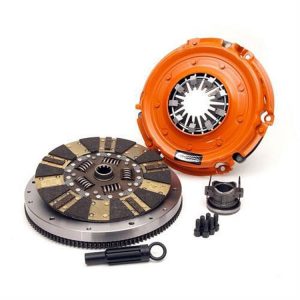
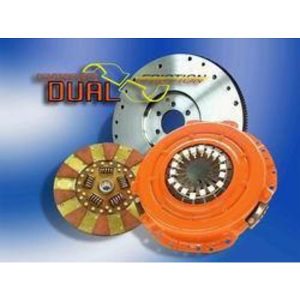
Centerforce Dual Friction Clutch Pressure Plate And Disc Set – KDF379176
- Centerforce KDF379176 dual friction clutch pressure plate and disc set
- Includes pressure plate and clutch disc; throwout bearing not included
- Full facing pressure plate side with a segmented carbon composite flywheel side facing
- Confirm fit for your vehicle before ordering.
SKU: CENKDF379176 -
-
Clutch
Centerforce Dual Friction Clutch Disc and Pressure Plate – DF517010
- Centerforce Dual Friction clutch disc and pressure plate, part number DF517010
- Up to 90% increase in holding capacity over OEM, per Centerforce
- Suited to engines with high horsepower or high torque output
- Smooth engagement and light pedal pressure
- 90 day warranty coverage; UPC 78844201772
SKU: CENDF517010



How the clutch system works
In a manual-transmission vehicle the clutch sits between the engine and the gearbox. A disc with friction material is clamped to the flywheel by a pressure plate to transmit torque, and the release bearing and hydraulic or mechanical linkage withdraw the plate when you press the pedal. The bellhousing encloses the assembly and bolts the transmission to the engine. Wear in any of these parts shows up as slipping, chatter, a hard pedal or trouble getting into gear.
Parts in this category
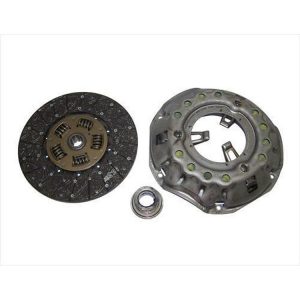
- Clutch kits: typically a disc, pressure plate and release bearing, sometimes with an alignment tool.
- Disc and pressure plate sets: including dual-friction designs for added grip.
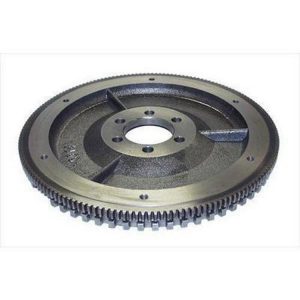
- Flywheels: steel or lightweight units that the disc rubs against.
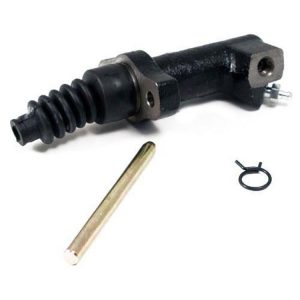
- Hydraulics: slave and master cylinders, plus hardware such as stud nuts.
- Bellhousings and adapters: used when pairing a different engine and transmission.
Choosing a clutch
Match the clutch to the engine's torque and how you drive. A stock-style kit is quiet and has a light pedal, which suits a street-driven vehicle. Higher-clamp or dual-friction clutches hold more torque and are favored by heavily modified or towing vehicles, but they usually have a stiffer pedal and can be noisier or grabbier. Off-roaders often want smooth engagement for low-speed crawling, so consider the engagement feel as well as capacity. Check the flywheel and pilot bearing at the same time.
Replace related parts together
Because a transmission must be removed to reach the clutch, it makes sense to replace the release bearing, pilot bearing, rear main seal if it leaks and the slave cylinder if it is worn. Inspect and resurface or replace the flywheel, since a glazed or scored surface will ruin a new disc.
Installation and fitment
Use an alignment tool to center the disc, and torque the pressure plate bolts evenly in a star pattern to the specified value. Bleed hydraulic systems according to the service manual. Confirm fitment for your exact engine, transmission and bellhousing type, and compare the part number to the manufacturer's specifications. This is a heavy, labor-intensive job and professional installation is a reasonable choice.
Break-in and driving habits determine how long a new clutch lasts. Follow the manufacturer's break-in guidance, which often calls for a few hundred miles of gentle driving with no heavy towing or hard launches, so the friction surfaces seat properly. Avoid riding the clutch pedal or holding the vehicle on a hill with the clutch, because slipping generates heat that glazes the disc and warps the flywheel. Off-road, avoid slow slipping at high throttle when a lower gear would do the job.
Check the pedal and hydraulic system after installation. The pedal should have a firm engagement point and return smoothly. A spongy pedal means air in the hydraulic line, and a pedal that sinks suggests a leaking master or slave cylinder. Make sure the pedal free play meets the specification where the system uses a cable or adjustable linkage. If you are changing the transmission or engine pairing, confirm the bellhousing bolt pattern, the pilot bearing size, the input shaft spline count and the flywheel bolt pattern, since these vary widely between engines and transmissions. Torque specifications are essential for safe, vibration-free operation.
Popular Clutch & Bellhousing Components brands
Shop Clutch & Bellhousing Components by type
- Clutch (40)
- Clutch Flywheels (12)
- Clutch Kits (11)
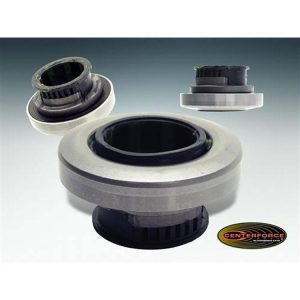
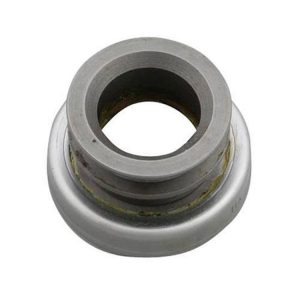
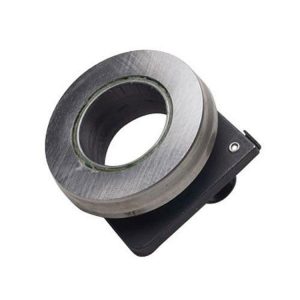
- Clutch Release Bearings (8)
- Clutch Pedal Bushing (8)
- Clutch Bellcrank Kit (7)
- Clutch Slave Cylinder (5)
- Bellhousing (4)
- Clutch Covers (Pressure Plates) (3)
Clutch & Bellhousing Components FAQ
How do I know my clutch is worn?
Common signs include slipping under load, a pedal that engages very high or low, chatter, a burning smell and difficulty shifting. A shop can measure wear and check hydraulics to confirm the cause.
Should I replace the flywheel with the clutch?
It is wise to inspect it every time. A flywheel that is glazed, scored or heat-cracked should be resurfaced or replaced, because a new disc will not last on a damaged surface.
What is the difference between a clutch kit and a disc and plate set?
A kit usually includes the release bearing and often an alignment tool in addition to the disc and plate. A plate and disc set omits some of those parts. Check the contents on the product page.
Will a stronger clutch make my pedal stiffer?
Generally yes. Higher clamp load increases pedal effort and can make engagement more abrupt. Choose a capacity that matches your engine power and use rather than the strongest available.