
Overview
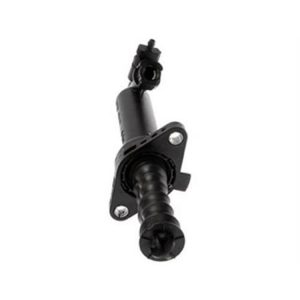
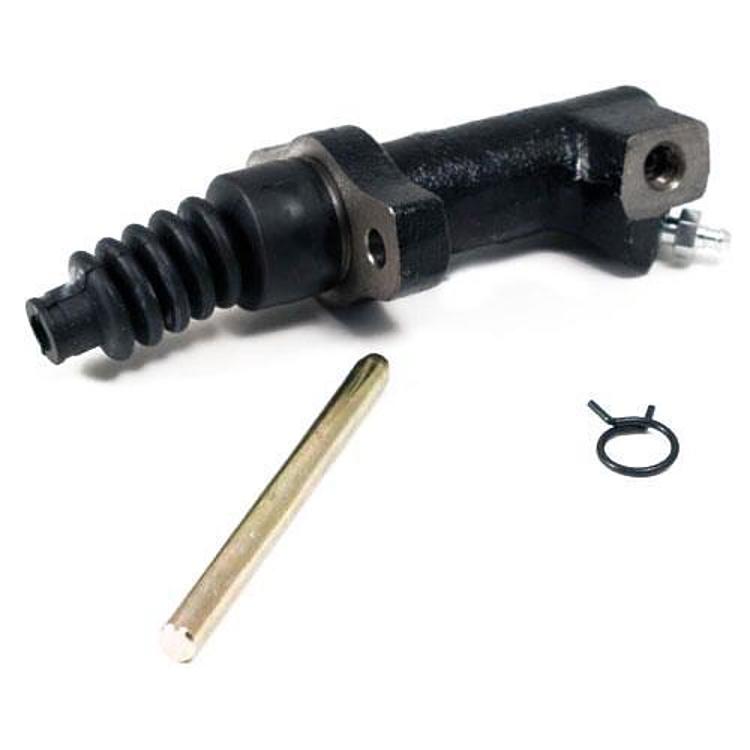
The Crown Automotive clutch slave cylinder, part 52000070, fits the 1984–1986 Jeep Cherokee (XJ), the 1983 Jeep CJ5, the 1983–1986 Jeep CJ7 and the 1983–1985 Jeep Scrambler.
The slave cylinder is the hydraulic unit that pushes the clutch release mechanism when the pedal is pressed. A slave cylinder that leaks or loses pressure can make the clutch hard to disengage.
Key features
- Clutch slave cylinder
- It fits the 1983 CJ5 and 1983–1986 CJ7.
- It fits the 1984–1986 Cherokee (XJ) and 1983–1985 Scrambler.
- Crown Automotive part number 52000070
Clutch hydraulics basics
The clutch on these Jeeps is hydraulic. The master cylinder under the dash sends fluid through a line to the slave cylinder, which pushes the release fork and disengages the clutch. Because the system is closed, any leak or trapped air changes the pedal feel, often making the clutch hard to disengage or causing it to engage too high in the pedal travel.
When the slave cylinder is replaced, bleed the system fully so no air remains in the line. Check the line fittings and the cylinder body for fluid, and look at the bellhousing area for signs of leakage. A worn release bearing or fork can also feel like a slave cylinder problem, so inspect those parts while the clutch is accessible.
- Bleed the system after replacement
- Check fittings and the cylinder body for leaks
- Inspect the release fork and bearing
Specifications
| Brand | Crown Automotive |
|---|---|
| Part number | 52000070 |
| UPC | 848399012156 |
| Product type | Clutch slave cylinder |
Vehicle fitment
Fitment covers the Cherokee XJ for 1984–1986, the CJ5 for 1983 only, the CJ7 for 1983–1986 and the Scrambler for 1983–1985.
The CJ5 fits 1983 only, and the Cherokee starts at 1984. Confirm your vehicle’s year, model and trim before ordering.
Installation notes
Bleed the clutch hydraulic system after the slave cylinder is replaced, and check the clutch line connections for leaks before the vehicle is driven.
What’s included
It is a single slave cylinder. Check the package contents against your installation before starting, including whether fittings, seals or a release bearing are needed.