
Wheel studs are the threaded pins pressed into the hub that the lug nuts tighten onto. This branch of Wheel and Tire Accessories lists replacement wheel studs, hub studs, spindle studs and stud kits, many for Jeep and Dana axle applications. Crown Automotive, Omix-Ada, Alloy USA, Trail Gear and Dorman appear in the listings. Check the part number on each product page, then compare the products below.
Wheel Stud
Showing 1–12 of 40 resultsSorted by popularity
-
OEM Replacement Axle Parts
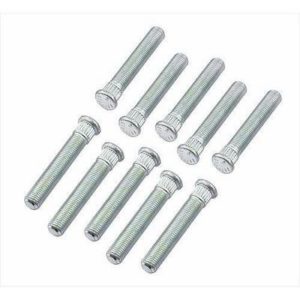
Mr. Gasket Company Competition Wheel Stud – 4310G
- Mr. Gasket Company competition wheel stud, part number MRG4310G
- Grade 8 rating for added strength
- Extra length to suit different wheel thicknesses
- No vehicle fitment listed; confirm hub and wheel compatibility first
SKU: MRG4310G -
Wheel Stud
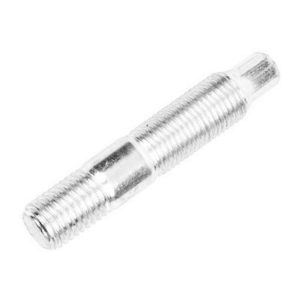
TG Super Metal Knuckle Stud
- Trail Gear super metal knuckle stud, part number 186116-1-KIT
- Named fitment: 1979–1985 Toyota front solid axle knuckle and 1990–1997 Toyota FJ80 Landcruiser
- 0.250 in (1/4 in) longer than stock to accommodate aftermarket steering arms
- Integrated 8mm hex head; stud torque 40 ft-lbs, stud nuts 75–80 ft-lbs
SKU: TGI186116-1-KIT -
-




What wheel studs do
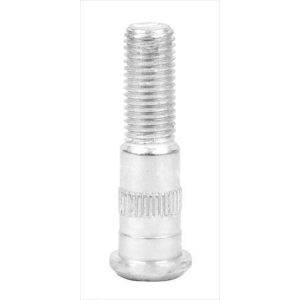
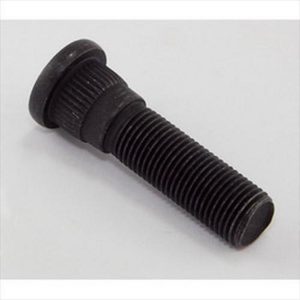
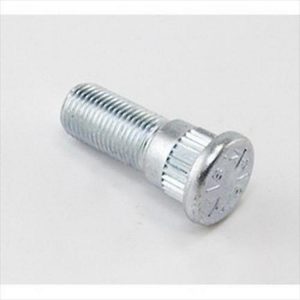
A wheel stud is a knurled, threaded fastener pressed through the hub flange. The wheel slides over the studs and lug nuts clamp it in place. Studs carry the clamp load and resist shear, so a stretched, rusted or stripped stud is a real safety concern. Typical signs of trouble include damaged threads, a stud that spins when you tighten the nut, or a broken stud.
Types in this category
- Standard replacement studs: direct replacements sized for factory hubs and rotors, including studs listed for disc-brake models.
- Hub-to-rotor studs: studs for specific hub designs.
- Spindle studs: larger fasteners that secure parts on the front axle spindle, and which press into the hub.
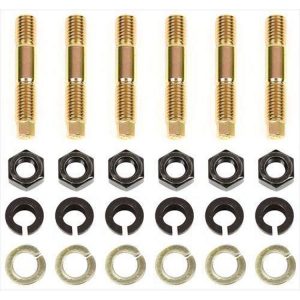
- Upgrade stud kits: kits for builders replacing weaker studs, often made from stronger steel, for hard use or oversized tires.
Choosing the right stud
Four dimensions have to match: thread diameter and pitch, overall length, knurl diameter (the part pressed into the hub), and head or shoulder shape. Thread size must match your lug nuts, with common examples being 1/2-20 and 9/16-18 on many Jeeps. Length should leave full lug nut thread engagement, and for wheels with spacers or thick mounting faces you may need longer studs. Axle type, such as Dana 44, also affects the correct part, as does whether the vehicle uses disc or drum brakes.
Replacement tips
Support the vehicle and remove the wheel and brake components as needed to reach the hub. Studs are usually pressed out with a press or a stud puller and new ones seated with a press or by drawing them in with a lug nut and washers, while making sure they sit fully flush against the hub. Do not hammer in a stud in a way that damages the hub, and do not reuse worn ones. Replace damaged studs as a set on that hub when practical. Torque lug nuts to the vehicle specification and recheck after the first drive. If you are unsure, brake and hub work should go to a professional.
It helps to inspect the whole wheel end when studs have failed. Stripped or broken studs often point to overtightening with an impact wrench, uneven torque, a poorly seated wheel or rust and debris on the mounting surface. Check that the hub face and wheel seat are clean and flat, that the lug holes are not elongated, and that the nuts match the wheel. Fixing the cause helps keep new studs from failing the same way.
Vehicle details influence the part. Some Jeep and Dana axle applications use studs that press into the hub from the back, so the hub, bearing or rotor may have to come off first, while other designs allow removal with less disassembly. Stud kits made from stronger steel can be useful for heavy vehicles or oversized tires, but they should still match the hub's knurl and the nut thread exactly. Apply a small amount of anti-seize only if the vehicle maker allows it, since lubricant changes torque readings. Replace worn lug nuts at the same time, because damaged nuts can wear new studs.
Fitment
Confirm axle, brake type, year, make and model and the manufacturer's specifications before choosing a product below.
Popular Wheel Stud brands
- Crown Automotive (11)
- Omix-Ada (10)
- Trail Gear (7)
- Alloy USA (7)
- G2 Axle and Gear (2)
- Jeep (2)
- Dorman (1)
- Mr. Gasket Company (1)
Wheel Stud FAQ
When should wheel studs be replaced?
Replace a stud if its threads are damaged, it is bent, rusted heavily, stretched, or if it spins or breaks. Many mechanics replace all studs on a hub if one has failed from overtightening or heavy use.
How do I know what size wheel stud I need?
Match thread diameter and pitch, overall length and knurl diameter to the stud you are replacing, or check your vehicle's specifications. Axle type and brake type can change the correct part, so confirm fitment first.
Can I use longer studs with wheel spacers?
Longer studs are often used with spacers or thick wheels so the lug nuts engage enough threads. Use studs that fit the hub's knurl diameter and threads, and follow the spacer maker's instructions.
Do I press or hammer in new wheel studs?
Presses or stud-installation tools are the preferred method, and some people draw them in using a lug nut and washers. Hammering can damage threads and the hub, so use proper tools and seat the stud fully.