
Transfer Case Parts
Showing 265–276 of 282 resultsSorted by popularity
-
-
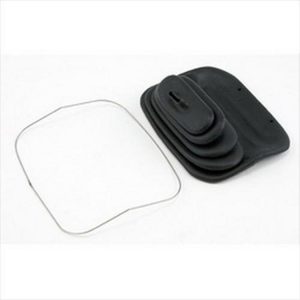
Transfer Case Shifter Boot
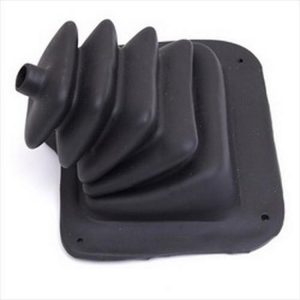
Omix-ADA M20 Transfer Case Shifter Boot – 18606.02
- Omix-ADA M20 transfer case shifter boot, part number 18606.02
- Square bottom design with an accordion upper
- Listed dimensions 8 in x 6-1/2 in
- Direct OE replacement with a limited five year manufacturer warranty
- Year, model and chassis to be confirmed before ordering
SKU: OAI18606.02 -
-
Transfer Case Slip Yoke Eliminator Kits and Hardware

Rubicon Express Slip Yoke Eliminator Kit – RE1801
 Transfer Case Slip Yoke Eliminator Kits and Hardware
Rubicon Express Slip Yoke Eliminator Kit – RE1801
- Fixed yoke conversion for NP231 and NP242 transfer cases
- Drive flange machined from solid stainless steel
- Drill and tap included
- Recommended for lifts over 3.5 inches
- Requires modifying the factory output shaft
SKU: R/ERE1801 -
Transfer Case Slip Yoke Eliminator Kits and Hardware

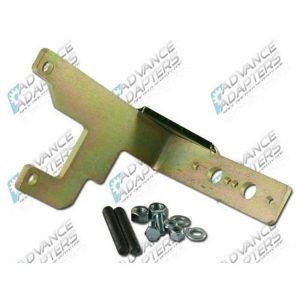
Advance Adapters Transfer Case Slip Yoke Eliminator Kit – 50-7906
 Transfer Case Slip Yoke Eliminator Kits and Hardware
Advance Adapters Transfer Case Slip Yoke Eliminator Kit – 50-7906
- Advance Adapters 50-7906 slip yoke eliminator kit for NP231 transfer cases
- Heavy-duty output shaft with a 54% increase in torque capacity
- Includes aluminum rear output housing, bearings, seals, snap rings and bolts
- Replacement yoke type 1310 CV style; CV rear drive shaft required
SKU: ADV50-7906 -
-
Transfer Case Housing Extension
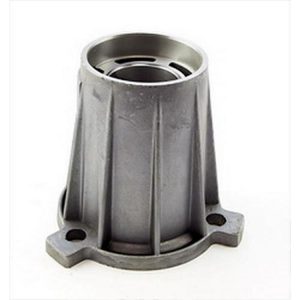
Omix-ADA Rear Extension Housing – 18676.25
- Omix-ADA rear extension housing, part number 18676.25
- Designed for NP231 and NP242 transfer cases
- Direct OE replacement design with a limited five year warranty.
- Confirm fit for your transfer case before ordering.
SKU: OAI18676.25 -
-
-
Transfer Case Mount Kit
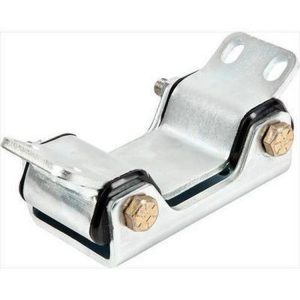
Trail Gear Heavy Duty Transfer Case Mount Kit – 105100-1-KIT
- Trail Gear heavy duty transfer case mount kit, part number 105100-1-KIT
- Steel mount stamped from 1/4 in. plate with polyurethane bushings
- Trail Gear notes possible added vibration at high speed versus the OEM rubber mount
- Confirm fit against your transfer case mount before ordering
SKU: TGI105100-1-KIT



What the transfer case does
The transfer case sits behind the transmission and splits power between the front and rear driveshafts. It also provides the low range that gives a 4x4 its crawling gear. Because it is full of gears, chains, and bearings, wear shows up as leaks, noise, popping out of gear, or trouble shifting. Most of the parts here help with repair, maintenance, and modification.
Parts you will find
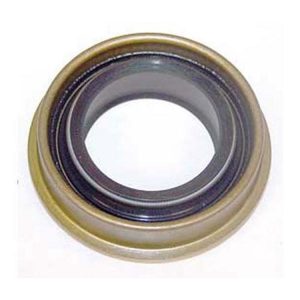
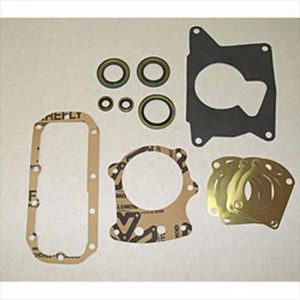
- Seals and gaskets: output shaft seals, input seals, and washers that stop fluid leaks.
- Bearings and sprockets: main drive sprocket bearings, bearing cups, and related internals for rebuilding.
- Yokes: output and slip yokes, including types used with slip yoke eliminator kits.
- Slip yoke eliminator kits: convert the rear output to a fixed yoke, which is used with a lifted vehicle and a driveshaft with a constant velocity joint.
- Lowering kits: reposition the case to improve driveline angles after a lift.
- Overhaul kits: sets with a group of wear parts for a rebuild.
- Switches and shift knobs: electrical parts like indicator lamp switches, and the control hardware.
Identifying your case
Transfer cases look alike, but the internals differ. Common examples include the NP231 and other models used in Jeeps. Check the tag or plate on the case, and compare the model, spline count, and rotation, since a part that is slightly off may not seal or mesh. Listings often specify case model and vehicle years, so confirm both, and match whether the part is for the front or rear output.
Maintenance and installation
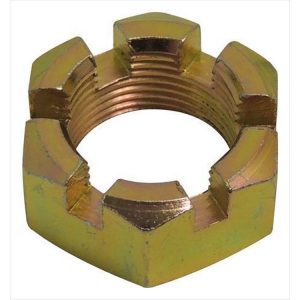
Many leaks come from the output seals and the vent. Replacing a seal usually means removing the yoke, so mark its position and tighten the nut to the specified torque. Replace the fluid with the type specified for your case, because using the wrong oil can damage clutch components or cause noise. A transfer case rebuild requires care, a clean workspace, and the right tools, so a professional may be the better choice for internal work.
After a lift, have the driveline angles reviewed, since steep angles cause vibration and wear. Slip yoke eliminators and lowering kits change geometry and should be installed correctly. Always confirm fitment for your exact year, make, model, and transfer case with the manufacturer's specifications.
Inspection and common mistakes
Check the fluid level and condition first. Milky fluid points to water entering through a bad vent or seal, and a burnt smell can point to overheating. Make sure the vent is clear and the vent hose is routed up high. Inspect the shift linkage and bushings, because sloppy linkage is often blamed on the case itself. Before ordering parts, find any numbers cast into the housing and compare them against your records. Do not mix parts from different case families, and replace seals in pairs when you can. After a repair, road test for leaks, noise, and smooth engagement in each range, and check for driveline vibration, which can show up as a shudder under load.
Keep a log of fluid changes and any leaks you fix, and carry a spare seal and a small quantity of the correct fluid on remote trips, since a slow leak found early is far cheaper than a failed case.
Popular Transfer Case Parts brands
- Crown Automotive (107)
- Omix-Ada (65)
- Trail Gear (22)
- Jeep (18)
- Advance Adapters (13)
- Rugged Ridge (12)
- TeraFlex (11)
- G2 Axle and Gear (11)
- Rubicon Express (6)
- RT Off-Road (5)
- Drake (5)
- Alloy USA (2)
Shop Transfer Case Parts by type
- Transfer Case Slip Yoke Eliminator Kits and Hardware (18)
- Transfer Case Yoke (20)
- Transfer Case Output Shaft Seal (16)
- Transfer Case Shift Knob (16)
- Transfer Case Overhaul Kit (14)
- 1945-71 Model 18 Transfer Case (13)
- Transfer Case Shift Fork (11)
- Transfer Case Shifter Boot (11)
- Transfer Case Gasket (10)
- Transfer Case Shifter (10)
- Dana Model 300 Transfer Case (8)
- Transfer Case Drive Chain (7)
- Transfer Case Output Shaft Bearing (7)
- Transfer Case Seal (5)
- Transfer Case Vacuum Switch (6)
- Transfer Case Input Shaft Seal (6)
- Transfer Case Low Gearset (5)
- Transfer Case Mount (4)
- Dual Transfer Case Adapter Kit (4)
- Transfer Case Shift Rail Spring (4)
- Transfer Case Output Shaft Race (3)
- Transfer Case Output Shaft Nut (3)
- Transfer Case Housing Extension (3)
- Transfer Case Input Gear Bearing (3)
- Transfer Case Shift Mode Selector (3)
- Liberty NP231 Transfer Case (3)
- Transfer Case Bearing (3)
- Transfer Case Shift Linkage (3)
- Transfer Case Intermediate Gear (2)
- Transfer Case Shift Lever Bushing (2)
Transfer Case Parts FAQ
How do I know which transfer case I have?
Look for the tag or tag number on the case and check your vehicle's documentation. Model, year, and drivetrain all help narrow it down. Because internals differ between cases, confirm the exact model before choosing parts.
What is a slip yoke eliminator?
It is a kit that replaces the sliding rear yoke with a fixed one, so the driveshaft uses a slip section instead and the output shaft is supported better. It is often used after a lift, and it usually requires a new driveshaft.
What causes a transfer case to leak?
Worn output or input seals, a clogged vent, a bad gasket, or a damaged yoke are common causes. Check the fluid level, find the source, and replace the failing part before running the case low on oil.
Can I rebuild a transfer case myself?
If you are experienced with drivetrain work, yes, with a service manual and the right tools. Internal rebuilds are detailed, and mistakes can be costly. Many owners choose a shop for anything beyond seals or a fluid change.