Fuel filler, vent and tank hoses for Jeeps and other classic 4x4s, covering filler necks, vent lines and fill hoses sized to specific tanks. This category suits owners repairing cracked or leaking rubber on older vehicles. Brands include Omix-Ada, Crown Automotive and MTS Company. Check each product page for the hose type, inner diameter and tank notes, then compare the products below.
Fuel Hose
Showing 1–12 of 34 resultsSorted by popularity

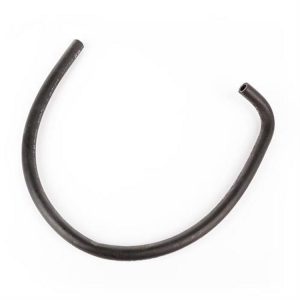

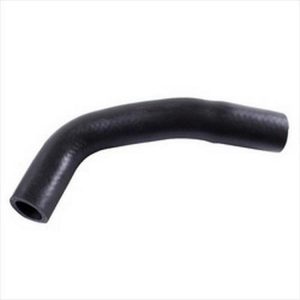
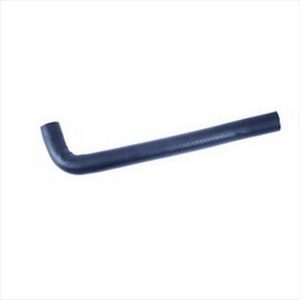
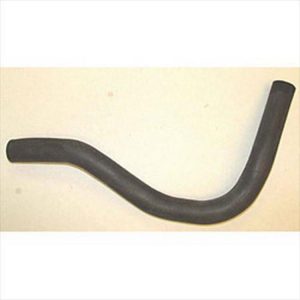
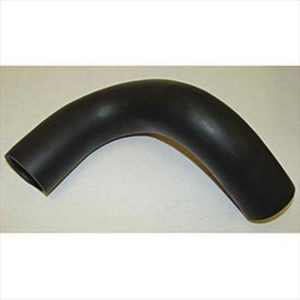
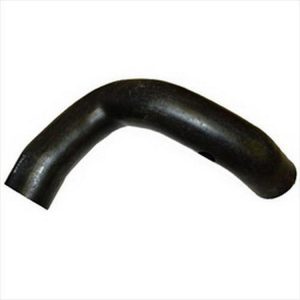

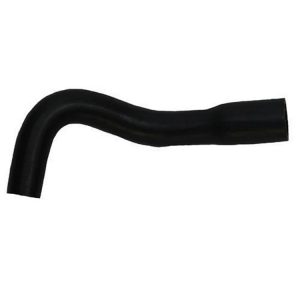
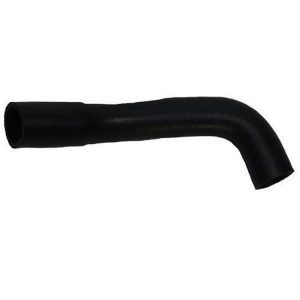
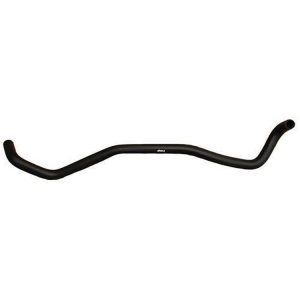
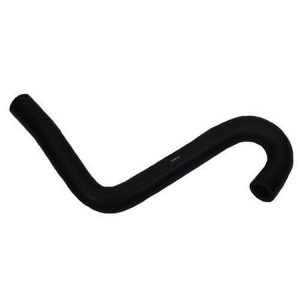
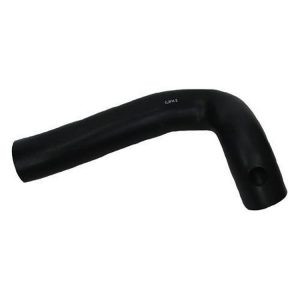
What these hoses do
This category is mostly about the large-diameter hoses around the fuel tank. A filler hose connects the filler neck to the tank, a vent hose lets air escape as the tank fills and prevents vacuum as fuel is used, and a fill hose may combine these jobs on certain models. On older vehicles, the rubber ages, hardens and cracks, causing fuel odor, leaks, slow filling or a gas smell near the rear of the vehicle.
Types listed
- **Fuel filler hose.** Larger-diameter, often molded, connecting the filler neck to the tank. Listings note inside diameters on each end, for instance one flared side and a slightly smaller opposite end.
- **Fuel tank vent hose.** Smaller hose that vents the tank or connects the filler neck to the tank.
- **Fuel filler vent hose.** Joins the vent path at the neck.
- **Gas tank fill hose kits.** Sets made for a specific model or tank.
Many are listed by vehicle line, such as CJ, YJ, or by tank size, such as a 20-gallon plastic oversize tank.
Choosing the right hose
- **Tank type and capacity.** Steel and plastic tanks, and factory and oversize tanks, can use different hose shapes.
- **Shape.** Molded hoses have bends that suit one vehicle, while straight hose is cut to length.
- **Diameter.** Check the inside diameter on each end against the neck and the tank nipple.
- **Position.** Some are listed for the front or rear vent, or driver and passenger side.
- **Material.** Use hose rated for fuel, and make sure it is compatible with the fuel you run, including ethanol blends.
Confirm fitment for your exact year, make and model, tank and body style before you buy, and compare with the old hose.
Installation safety
Fuel work is a fire risk. Work outdoors or in a ventilated space away from sparks and flames, disconnect the battery, and relieve fuel pressure where applicable. Drain or lower the fuel level before pulling hoses to limit spills, and keep a fire extinguisher nearby.
Use new fuel-rated clamps, not worn ones, and tighten them according to the manufacturer's guidance without cutting the hose. Route hoses away from exhaust heat and sharp edges, make sure vent hoses are not kinked or pinched, and test for leaks after fueling before driving. Dispose of old fuel and parts properly. If you are not comfortable working around fuel, use a professional installer.
Confirm the hose by measuring the inside diameter at both ends, the overall length and the bend angles. Check whether the filler neck and tank nipples are metal or plastic, since hard nipples with a bead hold clamps better. Note whether your vehicle has an emissions vent line that must stay connected.
Pair the hose with new clamps, a new filler cap gasket if cracked, and fuel hose of the right inside diameter for any short connections. Common mistakes are using worm clamps that cut into soft rubber, overtightening so the hose splits, and routing a vent hose with a low spot that can trap fuel or water. Inspect the hoses regularly, looking for cracks, swelling, soft spots, and wetness around the clamps. Replace any hose that shows aging, since a leaking filler hose can spill fuel during a fill-up or in a rollover.
Popular Fuel Hose brands
Fuel Hose FAQ
What is the difference between a fuel filler hose and a vent hose?
The filler hose carries fuel from the filler neck into the tank. The vent hose lets air out as the tank fills and in as fuel is used. They differ in size, so use the right one for each location.
How do I know if my fuel filler hose is bad?
Signs include a fuel smell near the rear, visible cracks or soft spots, seepage at the clamps, and fuel splashing back during fill-ups. Replace cracked rubber promptly, since a leak is a fire hazard.
Does tank size change which hose I need?
It can. Factory and oversize tanks, and steel and plastic tanks, may use different hose lengths and connections. Product notes such as a 20-gallon tank fitment help. Compare with your old hose and confirm fitment.
Can I use ordinary rubber hose for fuel?
No. Use hose rated for fuel and compatible with ethanol blends. General-purpose hose can swell, crack or leak. A direct-fit part made for your tank is usually the safest choice.