
Electrical
Showing 49–60 of 128 resultsSorted by popularity
-
Battery & Battery Accessories
Odyssey Batteries Extreme Series 330 CCA Top Post – PC925LMJ
- Odyssey Batteries PC925LMJ Extreme Series top post battery
- Part number ODYPC925LMJ
- 330 cold cranking amps (CCA)
- Top post terminal location
- Universal Fit classification; no specific vehicles matched
SKU: ODYPC925LMJ -
Battery & Battery Accessories
Odyssey Batteries Extreme Series 330 CCA Top Post – PC925L
- Odyssey Batteries PC925L Extreme Series top post battery
- Part number ODYPC925L
- 330 cold cranking amps (CCA)
- Top post terminal location
- Universal group; confirm group size, post location and cold cranking amps for your vehicle
SKU: ODYPC925L -
Performance Alternators & Starters
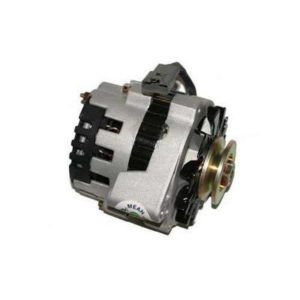
Mean Green High-Output Alternator (Natural) – MG7129
- 140-amp heavy duty high-output alternator
- Fits 1978–1981 Jeep CJ5 and CJ7 models
- Direct plug-in wiring and a voltage regulator designed to protect wiring and ignition
- Ford Motorcraft setups may need wiring modifications
SKU: MGIMG7129 -
Performance Alternators & Starters
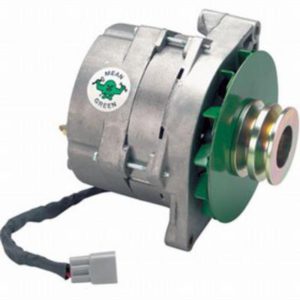
Mean Green High-Output Alternator (Natural) – MG1382
- 220-amp high-output alternator with direct plug-in wiring
- Built-in voltage regulator designed to protect wiring and the ignition system
- Fits 1999–2002 Jeep Wrangler TJ and 1999–2001 Cherokee XJ
- Made in the USA, with a one year unconditional warranty
SKU: MGIMG1382 -
Electrical Components
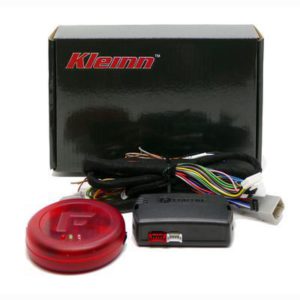
Kleinn Ram Wireless Remote Start with Programmer – RSRAM71
- Wireless remote start for 2013–2017 Ram 1500, 2500 and 3500 trucks, gas or diesel
- Works with the factory keyless remote, so no second remote is needed
- Plug-n-play connectors with one wire splice
- Programmer interface included; programming needs a Windows computer
SKU: K/ARSRAM71 -
Electrical Components

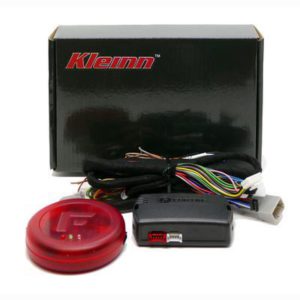
Kleinn Jeep Wireless Remote Start with Programmer and Remote Keyless Entry – RSJL2
 Electrical Components
Kleinn Jeep Wireless Remote Start with Programmer and Remote Keyless Entry – RSJL2
- Wireless remote start for Jeep Gladiator JT and Wrangler JL/JLU models with factory keyless entry
- Plug-N-Play installation with no wiring connections required
- Starts the engine with your factory keyless entry remote
- Programmer interface included; programming needs a Windows computer
SKU: K/ARSJL2 -
-
Electrical Components
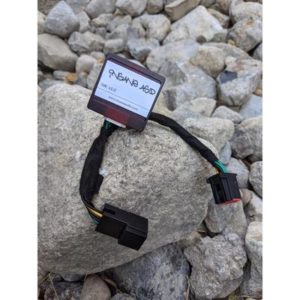
Insane Audio ASD Module Auto Start-Stop Controller – InsaneASD
- Insane Jeep Audio InsaneASD auto start-stop controller, part number I/EInsaneASD
- Fitment list covers 2018–2026 Jeep Wrangler JL and 2020–2026 Jeep Gladiator JT models
- Lets you choose when Auto Start-Stop is enabled and when it is not
- Plugs in between the OEM cable, so no wires are cut
- Long press the factory start-stop button to disable OEM auto start-stop
- 3 Year limited warranty
SKU: I/EInsaneASD -
Electrical Components
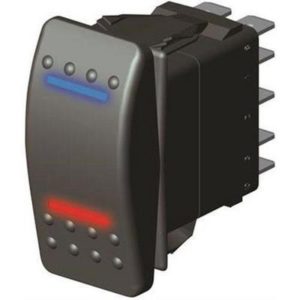
Flex-A-Lite 3-Way Switch – 31143
- Flex-A-Lite 3-Way Switch, part number FLX31143
- Illuminated rocker switch: blue for Tow Mode, red for Water Crossing Mode, no light in neutral
- Tow Mode runs the fans at 100-percent power regardless of coolant temperature
- Water Crossing Mode turns the fans off for deep water
- Universal Fit; not waterproof
SKU: FLX31143 -
Electrical Components
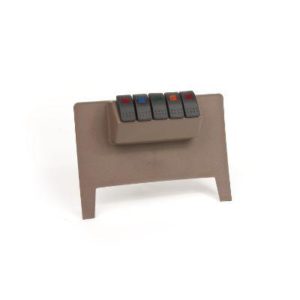
Daystar Switch Panel with 4 Switches (Tan) – KJ71038TN
- Fits 2011–2018 Jeep Wrangler JK 2-door and Unlimited 4-door models per the manufacturer fitment list
- Redesigned tan switch panel for the 2011 and newer Wrangler JK dash, where the older Daystar panel no longer works
- Holds up to five rocker switches in front of the shifter
- Kit includes one red, one blue, one amber and one green switch
SKU: DAYKJ71038TN









What this category covers
Accessories add electrical load. Winches, light bars, air compressors, fridges, and radios all draw power, and the stock charging system was not sized for them. This category brings together the components that supply, control, and monitor that power: batteries, higher-output alternators and starters, battery isolators, switch panels, gauges, and replacement wiring or switches.
You will also see vehicle-specific items such as Wrangler JK switch panels and A-pillar mounts alongside universal products.
Batteries and charging
- Battery type: AGM batteries resist vibration and do not spill, which suits off-road use.
- Ratings: Compare cold cranking amps, reserve capacity, group size, and terminal type (top post or side post).
- Alternators and starters: Higher-output alternators support heavy accessory loads, and high-torque starters help with large engines or tight compression.
- Isolators: A dual battery isolator charges an auxiliary battery without draining the starting battery.
Switches, gauges, and wiring
Switch panels centralize accessory control, and many accept rocker switches for lights, lockers, and compressors. Check amperage ratings, whether the panel is waterproof, and whether a controller is needed. Gauges add visibility into voltage and current, which is useful with dual batteries.
Use wire gauge and fuses sized for the load and length of the circuit, protect connections from moisture, and fuse near the power source. Undersized wiring is a fire risk.
Fit and installation
Battery group size and terminal layout must match your tray and cables, and alternators and starters are specific to engines. Disconnect the battery before working, follow the manufacturer's instructions, and confirm fitment for your exact year, make, and model. Complex wiring jobs, such as multi-battery systems, may be worth professional installation.
Planning your power budget
Before buying, add up what you plan to run. Note each device's amp draw and how long it runs with the engine off, and compare the total to your alternator output and battery capacity. A fridge, lights, and a compressor may be modest alone but add up together.
Plan for protection too: fuses or circuit breakers, a master disconnect, secure battery hold-downs, and clean, tight ground connections. Corroded terminals and loose grounds cause many electrical gremlins that people blame on parts. Keep a multimeter in the vehicle to check battery voltage, which is typically about 12.6 volts at rest on a healthy battery and higher with the engine running.
Several part types appear in this category and are worth distinguishing. Alternators supply power while the engine runs, starters crank the engine, and batteries store energy. Isolators and relays manage how those pieces share load. Switch panels and harnesses control accessories.
When buying batteries, check the date code, because batteries lose capacity during long storage. Keep terminals clean, use a battery tender if the vehicle sits for weeks, and secure the battery well, since vibration shortens life. When replacing an alternator, check the pulley type, mounting points, and connector, and consider upgrading cables if they are old or corroded.
Never work near a charged battery without eye protection. Remove metal jewelry, disconnect the negative terminal first, and keep sparks away from vented batteries, since they can release hydrogen.
Popular Electrical brands
- Odyssey Batteries (30)
- Powermaster (14)
- Crown Automotive (13)
- Savior Products (9)
- Redarc (8)
- Omix-Ada (7)
- Rugged Ridge (6)
- SPOD (6)
- Painless Wiring (5)
- Mean Green (4)
- Trail Gear (3)
- Advanced Accessory Concepts (3)
Shop Electrical by type
Electrical FAQ
Is an AGM battery better for off-roading?
AGM batteries are sealed, resist vibration, and tolerate tilted angles, which makes them a popular choice for trail use. They can cost more, and they need a charging system that suits their voltage requirements. Check the maker's guidance.
What does a battery isolator do?
It lets the alternator charge a second battery while keeping it separate from the starting battery. That way accessories can run the auxiliary battery down without leaving you unable to start the engine.
Do I need a high-output alternator?
Possibly, if you run a winch, large lights, and other heavy accessories together. Add up the continuous loads and compare them to your stock alternator's output. Confirm engine and fitment before choosing.
What wire gauge should I use?
It depends on the current and the length of the run. Use the device's rated amperage and the wire maker's chart, and fuse the circuit near the power source. When unsure, go thicker rather than thinner.