
Performance Alternators & Starters under Electrical covers charging and starting upgrades for trucks and Jeeps. Powermaster supplies one-wire and high-output alternators from 100 to 255 amps for 1963 to 2007 GM trucks and others, gear-reduction starters and adapters; Mean Green makes 140 amp alternators for 1978 to 1990 CJ and YJ Jeeps; Crown Automotive offers a 117 amp replacement for the TJ and Dakota plus starter drives; and Trail Gear has a bracket to fit a GM alternator on Toyota 20R and 22R engines. Compare amperage and fitment below.
Performance Alternators & Starters
Showing 1–12 of 21 resultsSorted by popularity
-
-
-
-
-
-
-
Performance Alternators & Starters
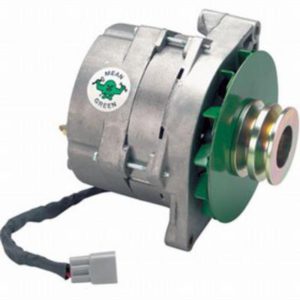
Mean Green High-Output Alternator (Natural) – MG7129
- 140-amp heavy duty high-output alternator
- Fits 1978–1981 Jeep CJ5 and CJ7 models
- Direct plug-in wiring and a voltage regulator designed to protect wiring and ignition
- Ford Motorcraft setups may need wiring modifications
SKU: MGIMG7129 -
Performance Alternators & Starters
Mean Green High-Output Alternator (Natural) – MG1382
- 220-amp high-output alternator with direct plug-in wiring
- Built-in voltage regulator designed to protect wiring and the ignition system
- Fits 1999–2002 Jeep Wrangler TJ and 1999–2001 Cherokee XJ
- Made in the USA, with a one year unconditional warranty
SKU: MGIMG1382 -




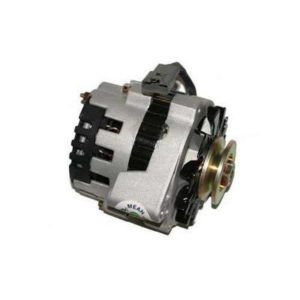

When the factory charging system falls short
A stock alternator is sized for the vehicle as built. Add a winch, a light bar or two, an onboard air compressor, a fridge and a big stereo, and a 1980s Jeep's 60 or 80 amp alternator cannot keep up at idle, which is when a winch draws the most. The alternators here range from the Crown Automotive 117 amp direct replacement for the 2001 and 2002 Wrangler TJ and Dakota, which replaces an 81 amp unit, through the Mean Green 140 amp units for 1978 to 1990 CJ and YJ Jeeps, to Powermaster's 255 amp AD244-style unit for 1994 to 2007 GM trucks and SUVs. Output at idle matters more than the peak figure for off-road accessories, so look for that number in the maker's data.
One-wire versus factory wiring
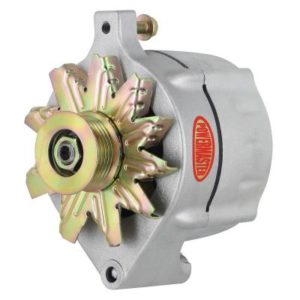
A one-wire alternator has an internal regulator that senses voltage at its own output post and needs only the heavy charge cable to the battery. It simplifies an engine swap or a vintage Jeep with brittle wiring, and Powermaster's 100 amp bolt-in for 1963 to 1983 Chevrolet and GMC C/K trucks and the polished 105 amp street unit are built this way. The trade-off is that a one-wire unit may not start charging until engine speed rises after start, and it does not drive a factory charge warning light. Factory-wired or three-wire units, such as the Mean Green alternators with direct plug-in wiring and the Powermaster 140 amp with a three-wire regulator, sense voltage at the battery or fuse box and charge from idle. For a daily-driven vehicle with working factory wiring, three-wire is usually the better choice.
Upgrading the wiring too
- A higher output alternator needs a larger charge cable. A 140 amp unit through a stock 10 gauge wire will melt insulation; use 4 gauge or heavier for the run to the battery and a matching ground from the alternator case to the block and from the block to the frame.
- Fit a fusible link or ANL fuse rated for the alternator output.
- Check belt width and pulley alignment. The Powermaster chrome two-groove V-belt pulley listed here is for engines that still run V-belts; serpentine and V-belt alternators are not interchangeable.
- Some Ford Motorcraft systems need wiring changes to accept a different regulator, as the Mean Green listing notes.
Starters, drives and brackets
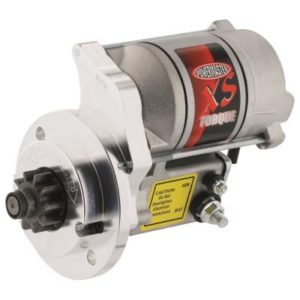
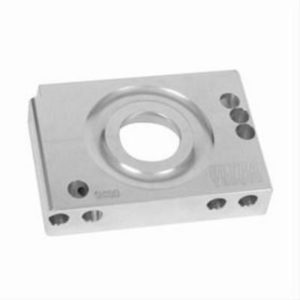
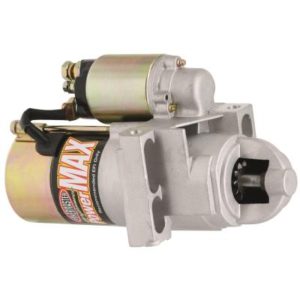
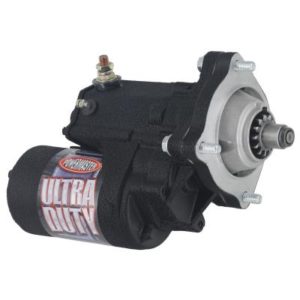
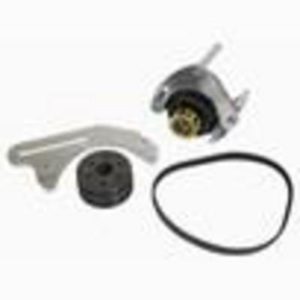
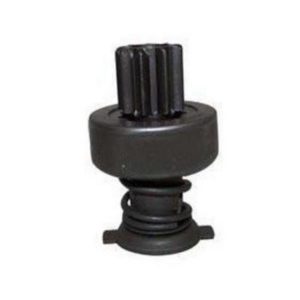
A gear-reduction starter, like the Powermaster unit for 1987 to 1997 Ford E and F series trucks, spins a high-compression or hot engine with less current and in a smaller case, which helps header clearance. The Ultra Torque adapter is specific to Powermaster starters. Crown Automotive's starter drive assembly for 1972 to 1987 CJ, J-series and Wagoneer engines fixes the common grind-and-spin failure without replacing the whole starter. Trail Gear's bracket kit mounts a GM one-wire alternator on Toyota 20R, 22R and 22RE engines using the stock belt, a common fix for tired Toyota charging systems.
Installation and checks
Disconnect the battery before starting. Set belt tension to specification and recheck after a few heat cycles. After installation, measure voltage at the battery at idle and at 2,000 rpm with the accessories on; you should see roughly 13.8 to 14.5 volts with no drop under load. Confirm case style, mounting ears, pulley type and plug against your engine before choosing.
Popular Performance Alternators & Starters brands
Performance Alternators & Starters FAQ
How many amps do I need for a winch and lights?
A winch under load can draw 300 to 400 amps for short bursts, which the battery supplies; the alternator's job is to recover it. A 140 amp alternator with good idle output handles a winch, a pair of light bars and a compressor on most trail rigs. Add a second battery for long winch pulls.
What is a one-wire alternator?
An alternator with an internal regulator that senses voltage at its own output terminal, so only one heavy cable to the battery is needed. It simplifies wiring on swaps and older vehicles but may not charge at idle right after start and does not operate a factory warning light.
Do I need to upgrade my wiring with a high-output alternator?
Yes. The stock charge wire was sized for the original output. Run a 4 gauge or heavier cable from the alternator to the battery with a fuse sized for the new output, and add ground cables from the alternator case to the engine and from the engine to the frame.
Will a gear-reduction starter fit where my stock starter was?
Starters listed for your engine and transmission combination bolt to the factory location and usually have a smaller body, which improves header clearance. Check the number of mounting bolts, the nose cone orientation and the solenoid wiring on the listing against your vehicle.