
Steering Stabilizers
Showing 25–36 of 79 resultsSorted by popularity
-
Steering Stabilizers
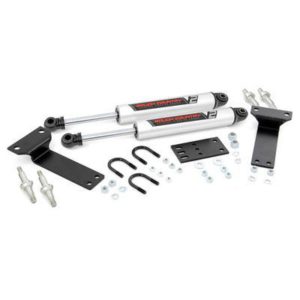
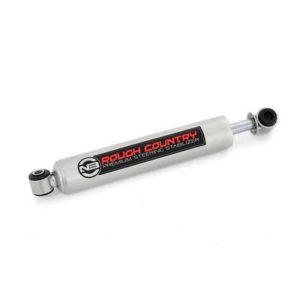
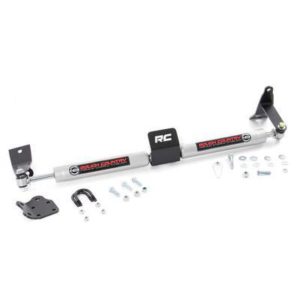
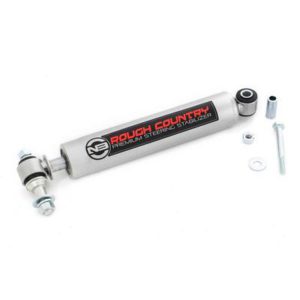
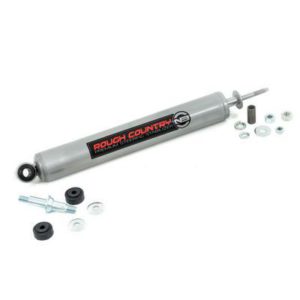
Rough Country V2 Dual Steering Stabilizer – 8749070
- Dual V2 steering stabilizer with a brushed T6061 aluminum body
- Fits 1999–2004 Ford F-250 and F-350 Super Duty and 2000–2005 Ford Excursion
- 46mm high-flow internal piston
- Brackets included
- 3-year replacement warranty against manufacturer defects
SKU: R/C8749070 -
-
-
-
-
-
-
Steering Stabilizers
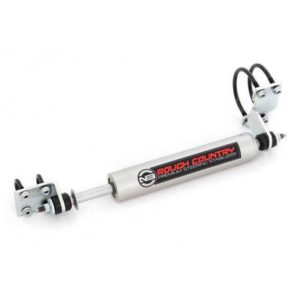
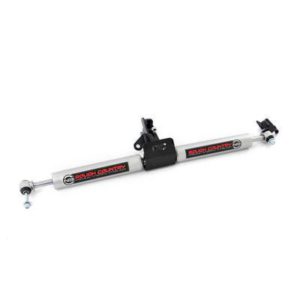
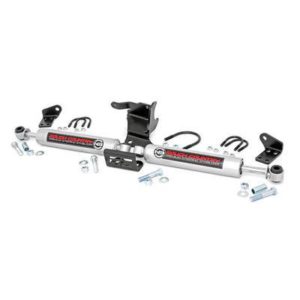
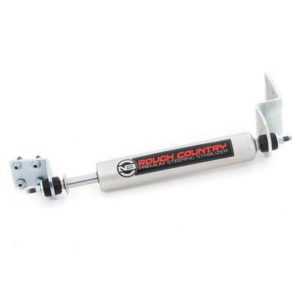
Rough Country N3 Dual Steering Stabilizer – 87304
- Dual N3 steering stabilizer complete kit with brackets
- Fits 2018–2026 Jeep Wrangler JL, 2018 Wrangler JK and 2020–2026 Gladiator
- Chrome hardened 18mm piston rod
- Needs 2.5 inches or more of suspension lift
- 3-year warranty
SKU: R/C87304 -
-
Steering Stabilizer Bracket
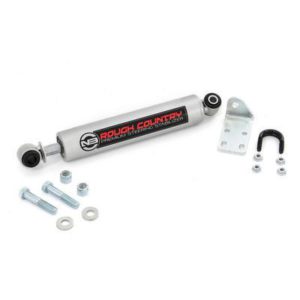
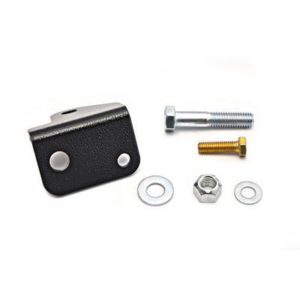
Rough Country Jeep Stabilizer Relocation Bracket – 1108
- Rough Country stabilizer relocation bracket for the 2007 to 2018 Jeep Wrangler JK
- Moves the stabilizer above and behind the steering link, away from the rocks
- Works with the original or most aftermarket stabilizers
- Part number 1108, bolt-on
SKU: R/C1108 -
-

Why lifted vehicles need stabilizers
Raising a vehicle and adding larger, heavier tires changes the leverage on the steering system. Longer sidewalls and more rotating mass transmit more shock into the tie rod and steering box, and a steering stabilizer helps damp that energy. This part of the catalog sits with the suspension products because many lift kits either include a stabilizer or recommend one, and the geometry of the lift can change the length or bracket needed.
Stabilizer and bracket components
- Stabilizer cylinders: a hydraulic damper that comes as a single unit, with some twin-tube and reservoir designs for added oil capacity and cooling.
- Dual kits: two cylinders and brackets for vehicles with large tires or aggressive use.
- Brackets: clamps or weld-on mounts that attach the damper to the axle and tie rod, which may need to change when the suspension height changes.
Choosing for your lift
Look at your lift height, tire size and how you use the vehicle. A mild lift with modest tires may not need more than a single unit. Heavier tires and bigger lifts generally benefit from a dual stabilizer or a high-capacity design. Compare the stated lengths and stroke of each unit with the manufacturer's data, because a unit that bottoms out or runs out of stroke at full lock can fail early and may restrict steering.
Before you add a stabilizer
Treat the stabilizer as part of the whole front end. Check the track bar angle, caster and wheel alignment after a lift, and replace worn bushings, ball joints and tie rod ends. Steering wobble that appears after installing a lift often points to caster, track bar or alignment issues, and a stabilizer should supplement, not replace, the correct repair.
Installation advice
Use the supplied hardware and follow the manufacturer's torque specifications. Cycle the steering from lock to lock before driving to confirm nothing rubs or binds. Because steering and suspension affect vehicle control, professional installation and an alignment are recommended, and local rules on lifted vehicles vary, so check your state's requirements.
Matching the stabilizer to your whole suspension package is the key step. Lift kits from different manufacturers change axle position, track bar mounts and tie rod height in different ways, so the clamp and bracket that fit one lift may not fit another. Check whether the stabilizer bracket clamps to the tie rod, which needs the right diameter, or bolts to a dedicated mount. Dual setups need two sets of mounting points, and they must not interfere with each other or with the drag link.
It also pays to think about durability. Stabilizers hang low and take impacts from rocks, mud and water crossings. Gas-charged and twin-tube designs generally hold up better in sustained rough use, while basic hydraulic units are suited to lighter duty. Inspect the rod for scoring and the bushings for wear when you service the vehicle. If you replace worn components elsewhere in the front end, such as tie rod ends or the track bar, do so before judging how well the stabilizer works, because loose parts hide in the steering and make any damper seem ineffective.
Popular Steering Stabilizers brands
- Pro Comp Suspension (23)
- Rough Country (16)
- Skyjacker (15)
- Bilstein (5)
- TeraFlex (5)
- Fabtech (3)
- Rubicon Express (2)
- ARB 4x4 Accessories (2)
- Rancho (2)
- FOX (1)
- ICON Vehicle Dynamics (1)
- RockJock 4x4 (1)
Steering Stabilizers FAQ
Do lift kits come with a steering stabilizer?
Some do, and others list one as an option or recommendation. Check the contents of your lift kit and the manufacturer's notes. Larger tires may call for a stronger or dual unit.
What is the difference between a stabilizer and a stabilizer bracket?
The stabilizer is the damper itself. The bracket is the mount that attaches it to the axle or tie rod. After a lift, a different bracket may be needed to keep the stabilizer aligned and within its stroke.
Is a dual stabilizer better than a single?
Not automatically. Dual setups add damping for big tires and hard use, but they also add weight and cost. Choose based on tire size, lift height and driving, and follow the manufacturer's recommendation for your vehicle.
Should I get an alignment after installing a lift and stabilizer?
Yes. A lift changes caster and toe, and a stabilizer will not correct bad geometry. An alignment after the lift is recommended for safety and tire wear.