Drive shafts for Jeeps and other 4x4s, including CV-style, non-CV and heavy-duty replacement units for front and rear axles, plus related seals and kits. Brands include Rubicon Express, Pro Comp Suspension, G2 Axle and Gear and Omix-Ada. Each product page shows the style, joint series and part number, so you can compare options and weigh the options below.
Drive Shafts
Showing 1–12 of 62 resultsSorted by popularity




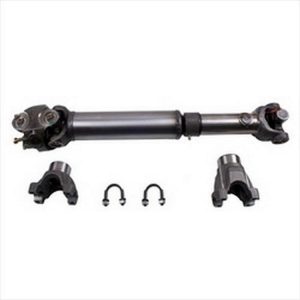

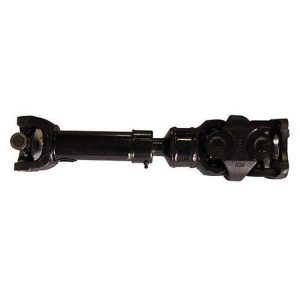
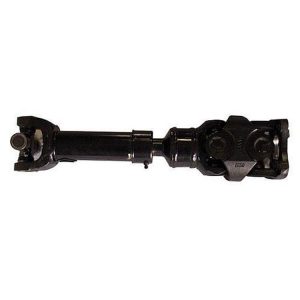
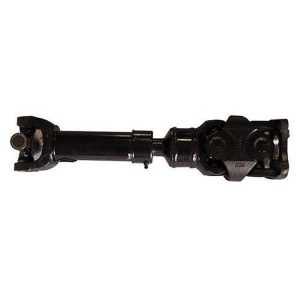


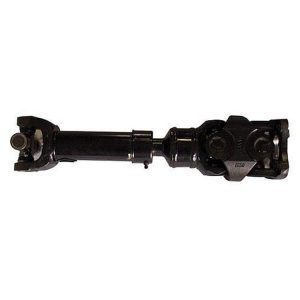

What a drive shaft does
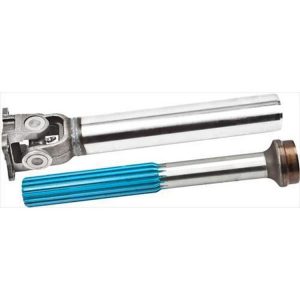
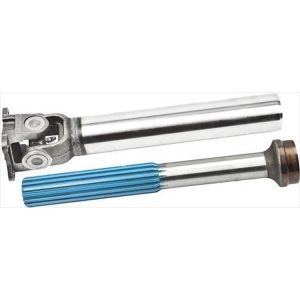
The drive shaft carries torque from the transfer case to the front and rear axles. On a 4x4 it must tolerate changing length and angle as the axles move, so each shaft uses universal joints or constant velocity joints and a slip yoke that allows the length to change. Wear shows up as vibration, clunks when changing between drive and coast, or grease around the joints.
Non-CV versus CV style
A standard shaft uses two U-joints and works well when angles are modest. Lifting a vehicle increases driveline angle, and at steeper angles a U-joint can cause vibration. A double-cardan or CV-style shaft splits the angle between two joints so it can run smoothly at greater angles. Many lift kits specify a CV shaft for the rear once lift reaches a certain height, so follow the lift manufacturer's recommendation.
Specifications to compare
- U-joint series: product listings may mention a 1310 or 1314 series. Joint size must match your yokes and flanges.
- Length: compressed and extended lengths matter, especially after a lift or axle swap. Measure carefully.
- Tube size and wall: thicker DOM steel tube resists bending and whip.
- Position: front or rear, and door count or wheelbase for the vehicle.
- Flange or adapter: some shafts require a specific flange adapter to mate to the axle.
Installation and balance
Mark the orientation of the old shaft before removing it so the phasing is maintained, and support the shaft while loosening bolts. Torque flange and strap bolts to the manufacturer's specification, grease any serviceable joints, and inspect yoke surfaces for wear. A new shaft should come balanced, and a driveline vibration after installation often points to incorrect pinion angle or worn yokes rather than the shaft itself.
Because a failed shaft can damage the vehicle or cause loss of control, consider professional installation if you are unsure about angles or measurements. Confirm fitment for your exact year, make, model and lift height against the manufacturer's specifications.
Keep records of the old shaft's length and joint type before ordering, and photograph the yokes and flanges. Check slip yoke engagement after any lift or axle change, and grease serviceable joints at the intervals the manufacturer gives. Inspect the shaft tube for dents after hard trail use.
Measuring for a replacement
Accurate length is the key to a good fit. Measure from the center of the front U-joint or yoke to the center of the rear one, with the suspension at ride height and then at full droop and compression if you can, to learn the range of travel. Record the slip yoke spline count and diameter, flange bolt pattern, and whether the shaft uses a strap-style or bolt-on flange. After a lift, driveshaft length at ride height may change by an inch or more, so measure with the vehicle in its final state.
Materials and construction
Most shafts use steel tube, with chromoly versions chosen for strength at lower weight. The tube diameter and wall thickness affect how well it resists whip at higher speeds. Look for balanced shafts, since imbalance shows up as vibration at certain speeds. CV joints use a ball and cage or a double-cardan design, and they may need a centering part and regular greasing. Some include a grease fitting at each joint, and these should be serviced regularly. Boots or dust covers protect the slip joint from dirt, and a torn cover should be replaced promptly.
Popular Drive Shafts brands
- Rubicon Express (27)
- Pro Comp Suspension (9)
- G2 Axle and Gear (6)
- Omix-Ada (5)
- Crown Automotive (3)
- Fabtech (3)
- Dana Spicer (2)
- J.E. Reel (2)
- Trail Gear (2)
- California Super Trucks (1)
- Jeep (1)
- Rugged Ridge (1)
Drive Shafts FAQ
When do I need a CV drive shaft?
Many lift kits call for one at the rear once lift or driveline angle passes a manufacturer-stated limit. CV style shafts allow smoother operation at steeper angles. Follow your lift kit's instructions.
What causes drive shaft vibration?
Common causes are worn U-joints, incorrect pinion angle, bent or unbalanced shafts and loose bolts or yokes. Diagnosing after a lift often starts with checking angles and slip yoke travel.
Does a lift change which drive shaft I need?
Often yes. Lifting changes length and angle, and the stock shaft may bind or vibrate. Product listings usually state the lift height a shaft is made for. Confirm fitment for your exact setup.
What does 1310 or 1314 mean on a drive shaft?
These are U-joint series sizes. They indicate the cap and cross dimensions, so the yokes and flanges must match. Heavier series generally handle more torque. Check your existing joints first.