
Differential Crush Sleeves
Showing 13–20 of 20 resultsSorted by popularity





What a crush sleeve does
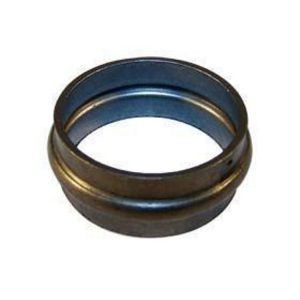
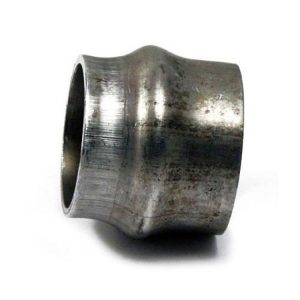
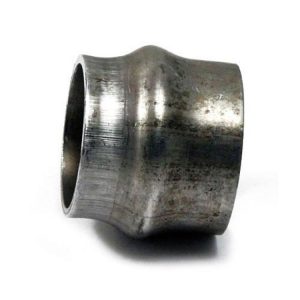
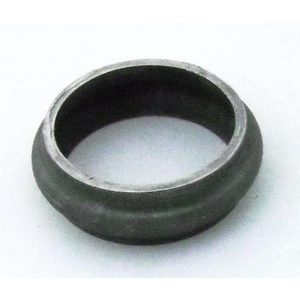
The pinion gear in a differential rides on two tapered roller bearings that must be squeezed together to a precise preload, enough to remove play without overheating. A crush sleeve is a thin steel collar between the bearings that collapses a measured amount as the pinion nut is tightened; once it yields, the nut is turned until the pinion's rotating torque reaches the specification, usually a range of inch-pounds measured with a beam-type torque wrench. It is a one-time part. Any time the pinion nut is loosened, whether for a seal, a yoke or new gears, the sleeve has already collapsed and a new one is required. That is why these are consumables in every gear install.
Crush sleeve or solid spacer
- Crush sleeve: the factory method on the Dana 30, 35, 44 and 50, the Chrysler 9.25, the GM 8.5 inch 10 bolt and the Ford 7.5 and 9 inch. It is simple and forgiving on the first assembly, but it cannot be reused, and if the nut is over-tightened past the preload window there is no going back without a new sleeve.
- Solid spacer: a rigid spacer with a set of shims that replaces the crush sleeve. Preload is set by changing shim thickness, which takes more measuring but can be repeated and holds preload under hard use. The G2 solid pinion spacers for the Toyota 8 inch and 8 inch V6 axles are the kind used on rock crawlers and heavy trucks where big tires and shock loads can pound a crush sleeve into looseness.
For a daily-driven truck a crush sleeve is fine and is what the factory used. For a trail rig on 37s, or any axle you expect to open again, a solid spacer saves a sleeve each time and keeps preload consistent.
Matching the sleeve to the axle
Sleeves are specific to the axle housing and pinion, and sometimes to the generation. The listings here name the Dana 35 rear, the Dana 50 front, the JK rear Super 44, the Dana 30 KJ front on the Liberty, JK and Nitro, the Dana 30 TJ and reverse-rotation Dana 30, the Chrysler 9.25 rear on Dakota, Durango and Ram, the GM 8.5 inch, and the Ford 7.5 and 9 inch. The Dana 30 in a Liberty KJ is a different housing from the Dana 30 in a TJ, and their sleeves do not swap. Identify the axle from its tag, cover shape and the vehicle, and if a listing gives a height, like the 5/8 inch Super 44 sleeve, compare it with the old one before choosing.
Setting preload correctly
Install the pinion with new bearings and races, oil the bearings, and tighten the pinion nut in stages while checking rotating torque with the carrier out of the housing. The nut torque to collapse a sleeve is high, often several hundred foot-pounds, and the preload window afterward is narrow, so stop as soon as the pinion turns within specification. Too little preload lets the pinion walk and whine; too much cooks the bearings. Set pinion depth and backlash with the right shims, check the pattern with marking compound, and use a new pinion seal and nut. Gear setup is precision work with safety consequences; if you do not have a dial indicator, a case spreader where needed and the service manual specifications, have a differential shop do it. Confirm the part matches your exact axle and application before choosing.
Popular Differential Crush Sleeves brands
Differential Crush Sleeves FAQ
Can I reuse a crush sleeve if I only replaced the pinion seal?
No. Once the sleeve has collapsed it cannot provide preload again. Some mechanics mark the nut and reinstall it to the same position for a seal job, but that is a shortcut with risk. Fit a new sleeve or convert to a solid spacer whenever the pinion nut comes off.
What is the advantage of a solid pinion spacer?
Preload is set with shims and can be checked, adjusted and repeated. It holds up to shock loads from large tires and lockers better than a thin collapsed sleeve, and it saves buying a new sleeve each time the pinion comes out. It takes more measuring during setup.
How do I know what preload to set?
Use the specification in the factory service manual for your axle, given as rotating torque in inch-pounds for new bearings, measured with the carrier removed and a beam or dial type inch-pound torque wrench on the pinion nut. Used bearings have a lower specification. Values differ by axle, so look it up.
Are Dana 30 crush sleeves all the same?
No. The Dana 30 in a Liberty KJ, the Dana 30 in a TJ and the reverse-rotation Dana 30 use different pinion dimensions and sleeves, and the listings name them separately. Match the sleeve to the exact axle and vehicle, not just the Dana 30 name.