
Steering Gear Box & Components
Showing 25–36 of 36 resultsSorted by popularity








How the steering gearbox system works
On many trucks and Jeeps, the steering wheel turns a gearbox mounted to the frame. The box rotates a pitman arm, and the arm pushes or pulls a drag link, which connects to the steering knuckle or tie rod. Every piece in this chain has to be the right length and angle. When a vehicle is lifted, the geometry changes, and the stock drag link and pitman arm may no longer line up correctly.
Parts you will see
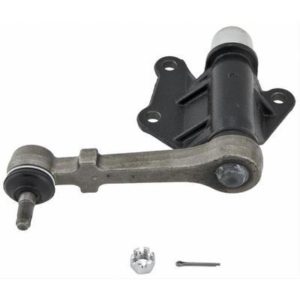
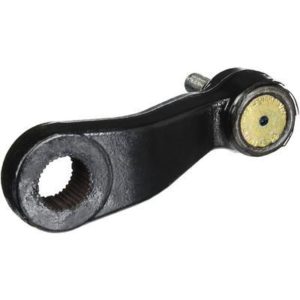
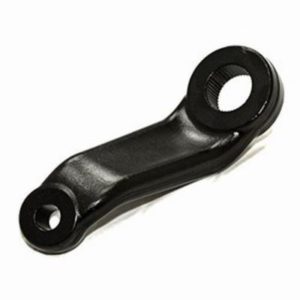
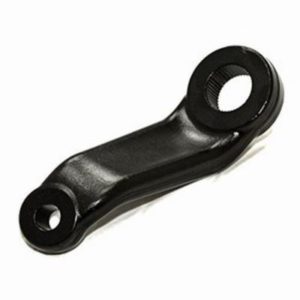
- Pitman arms: available in drop versions that restore the drag link angle after a lift. They are specified by spline count, drop length and application.
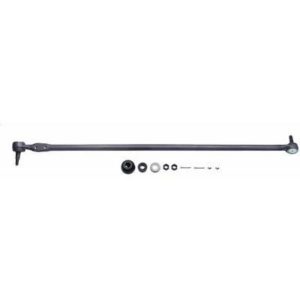
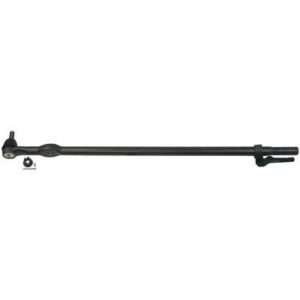
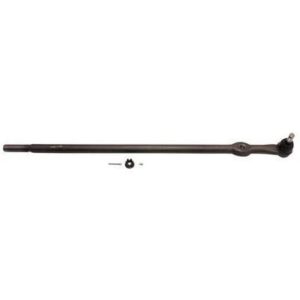
- Drag links: replacement or heavy-duty links, sometimes longer for lifted setups.
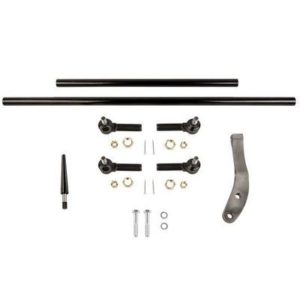
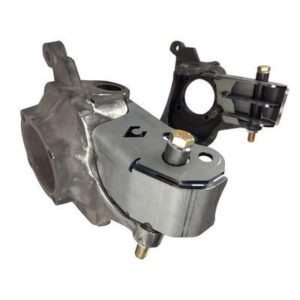
- High-steer kits: relocate the steering linkage above the knuckle to improve ground clearance and geometry.
- Steering box braces: reinforce the frame mount of the gearbox to resist flex.
- Brackets and support parts: including mounts for remote power steering reservoirs.
How to choose
Start with the lift height. Many pitman arms and drag links are designed for a specific range, such as 4 to 6 inches, and using one outside that range can leave the linkage binding or the steering wheel off-center. Check the spline count on the steering box output shaft, because pitman arms are not interchangeable between different splines. If you hear loose steering or see uneven tire wear, inspect for worn joints before choosing new parts. Worn chassis parts can cause premature tire wear and steering wander.
Specs to compare
- Spline count and direction, drop length and mounting taper size.
- Material, finish and heat treatment as stated by the manufacturer.
- Lift range, and the vehicle year and drivetrain, such as two- or four-wheel drive.
- Whether the item is a complete kit or a single component and whether the tie rod or other parts are included.
Installation and safety notes
Steering parts are safety critical. Use the correct torque on castle nuts and install new cotter pins, use a proper pitman arm puller instead of hammering, and follow all alignment recommendations. Professional installation and a four-wheel alignment are recommended after changes to steering geometry. Confirm fitment for your exact year, make and model, including pre- and post-production splits that the listing notes, and read the manufacturer's specifications.
Symptoms that point to this category
Steering that wanders, a vague feel on center, a clunk when turning, or a steering wheel that is off-center after a lift can all point to the box or its linkage. Start by checking for play at each joint with a helper turning the wheel while you watch the linkage. Movement at the pitman arm, drag link ends or the gearbox mounts can help you find the culprit.
If the gearbox itself leaks or has excessive free play, an adjustment or replacement may be needed rather than new arms. A steering box brace can help on trucks where the frame flexes under heavy tires. Remember that steering geometry works as a system, so after changes, check toe, caster and the steering stops, and test the vehicle at low speed in an empty area before driving on the road.
Popular Steering Gear Box & Components brands
- Moog (9)
- Tuff Country (4)
- Skyjacker (3)
- Trail Gear (3)
- Rough Country (3)
- Fabtech (2)
- Pro Comp Suspension (2)
- TeraFlex (2)
- Mountain Off Road Enterprises (1)
- Artec Industries (1)
- Rock Krawler (1)
- PSC Steering (1)
Steering Gear Box & Components FAQ
What does a drop pitman arm do?
A drop pitman arm lowers or reshapes the arm's end so the drag link sits at the correct angle after a lift. This helps reduce bump steer and binding. Choose one made for your lift height and spline count.
How do I know which pitman arm spline count I need?
Check the output shaft of your steering box and compare it with the listing, which often states spline count and application. Confirm your vehicle's year, make and model because the same truck can differ across production dates.
What is a high-steer kit?
A high-steer kit moves the steering linkage above the steering knuckle instead of below it. This can improve ground clearance and reduce bump steer. Many setups include a conversion arm or a new tie rod, so review what is in the kit.
Do I need an alignment after replacing steering parts?
Yes, an alignment is strongly recommended. Changing the pitman arm, drag link or other geometry can shift toe and steering wheel position. A qualified shop can set it correctly and check for binding.