
Performance Steering Upgrades
Showing 25–36 of 96 resultsSorted by popularity
-
-
-
Tie Rod Assemblies & Components

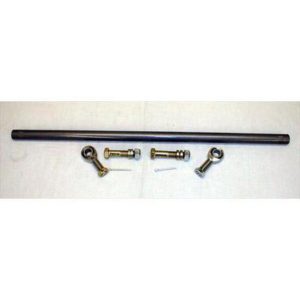
PSC Steering Extreme Duty Tie Rod Link Kit for Double Ended Steering Cylinders – TR120XD
 Tie Rod Assemblies & Components
PSC Steering Extreme Duty Tie Rod Link Kit for Double Ended Steering Cylinders – TR120XD
- PSC Steering TR120XD extreme duty tie rod link kit for double ended steering cylinders
- Uses 7/8-inch rod ends and is built stronger than the TR120HD link kit
- Makes building links to PSC double ended steering assist cylinders easier on most full hydraulic systems
- Universal fit; no vehicle named
SKU: PSMTR120XD -
Power Steering Components
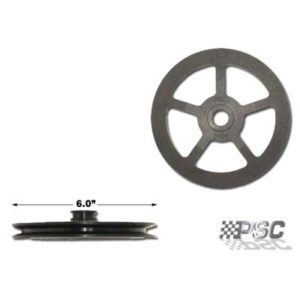
PSC Steering 6.0″ Power Steering Pump Pulley, Single Groove V-Belt for Type II/CBR/CBX Power Steering Pump – PP2404
 Power Steering Components
PSC Steering 6.0″ Power Steering Pump Pulley, Single Groove V-Belt for Type II/CBR/CBX Power Steering Pump – PP2404
- PSC Steering PP2404 single groove V-belt power steering pump pulley, 6.0 inch diameter
- Billet aluminum construction, described by PSC as overdriven
- Made for most CBR, CBX and TC Type pumps, and Type II pumps
SKU: PSMPP2404 -
-
Steering Gear Box & Components
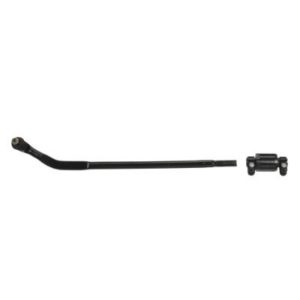
Mountain Off Road Enterprises Heavy-Duty Drag Link – 9927
- Heavy-duty drag link for 1982-1986 Jeep CJ5, CJ7 and Scrambler
- 1-inch D.O.M. steel tube, .219 wall, with 5/8 threaded ends
- Teflon / Kevlar lined, self lubricating rod ends
- Jam nuts and grade 8 hardware included; stock hole must be drilled to 5/8 inch
SKU: MRE9927 -
Tie Rod Assemblies & Components
Moog Upper Outer Tie Rod End (Passenger Side) – ES3474
- Passenger side upper outer tie rod end for the 1999-2004 Jeep Grand Cherokee (WJ)
- Forged one-piece design with hardened full-ball studs
- Neoprene-sealed dust boot with a flush valve
- Moog part number MOGES3474
SKU: MOGES3474 -
-
-





What counts as a steering upgrade
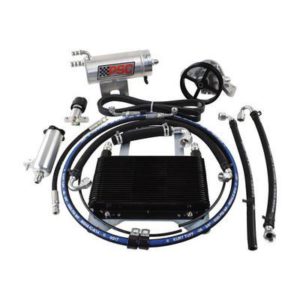
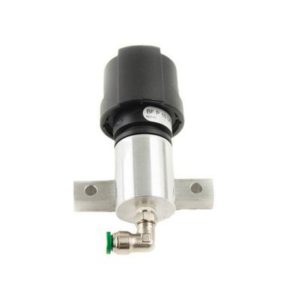
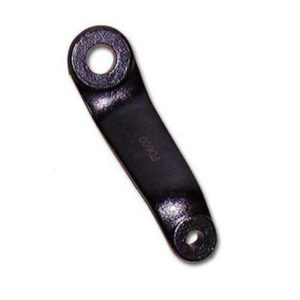
Lifting a vehicle or fitting larger tires changes steering geometry and adds load to every link in the system. Upgrades in this category address that. Typical parts include inner and outer tie rod ends, heavy-duty drag links, drop pitman arms, high steer kits that move the tie rod above the knuckle, flip kits that correct drag link angle, steering knuckles, and power steering components such as reservoir clips and anti-splash valves.
Matching parts to the problem
- Wandering or loose steering after a lift: replace worn tie rod ends and check the drag link and track bar angles.
- Bump steer on a lifted solid-axle vehicle: a drop pitman arm or drag link flip kit helps restore a level drag link.
- Bent tie rods on the trail: a high steer kit or heavier-wall tubes tuck the linkage out of harm.
- Worn ball joints or damaged knuckles: a replacement knuckle may be a better answer than patching the old one.
Specs to compare
Look at the position listed on the product page, such as front inner, front outer, driver side, or passenger side. Note whether a part is sold individually or as a pair, and whether the listing is a direct replacement or modified design. For adjustable or heavy-duty linkage, compare tube diameter and wall thickness, joint type, and whether the end uses a tapered stud that fits your knuckle. Greasable joints are easier to maintain than sealed ones.
Installation and safety
Steering parts are safety critical. Tapered studs must be seated and torqued to the manufacturer specification, and cotter pins or nylon-insert locknuts must be reinstalled. Any change to tie rods, drag links, or knuckles calls for a professional alignment afterward. If you are not experienced with steering work, have the parts installed by a qualified shop.
Confirming fitment
Steering parts vary widely by year, axle, and drivetrain. Confirm fitment for your exact year, make, and model, including 2WD or 4WD, and check the manufacturer specifications. Combining parts from different brands can create clearance or geometry problems, so use components designed to work together.
Finally, inspect rubber boots on joints at every oil change. A torn boot lets dirt in and shortens joint life, and catching it early is far cheaper than replacing a damaged tie rod or knuckle later.
Inspection and common pairings
Check steering every time you change oil. With the front end supported and the wheels off the ground, grip each tire at nine and three o'clock and look for play at the tie rod ends and drag link joints, then check the pitman arm nut and the steering box mounting bolts. Steering upgrades work best when matched. A drop pitman arm pairs with a drag link flip kit, and heavier tie rod and drag link assemblies pair with a track bar bracket and frame brace when the lift raises the axle. Moog-style replacement ends suit a stock-geometry repair, while a high steer system suits heavy trail use. Avoid mixing joint sizes, because a mismatched tapered stud will not seat.
Popular Performance Steering Upgrades brands
- Moog (37)
- Trail Gear (8)
- TeraFlex (7)
- Fabtech (6)
- PSC Steering (6)
- Crown Automotive (5)
- Tuff Country (4)
- Rough Country (4)
- Dana Spicer (4)
- Skyjacker (3)
- Pro Comp Suspension (3)
- Borgeson Steering (2)
Shop Performance Steering Upgrades by type
- Tie Rod Assemblies & Components (41)
- Steering Gear Box & Components (36)
- Steering Knuckles & Components (11)
- Power Steering Components (5)
Performance Steering Upgrades FAQ
How do I know if my tie rod ends are worn?
Signs include play in the steering wheel, clunking over bumps, uneven tire wear, and wandering at speed. A shop can check by wiggling the wheel with the vehicle lifted. Replace worn ends in time, since a failed tie rod causes loss of steering.
What does a drop pitman arm do?
A drop pitman arm lowers the end of the arm so the drag link sits closer to level on a lifted vehicle. This can reduce bump steer. Choose one designed for your steering box and lift height.
Do I need an alignment after replacing tie rods?
Yes. Tie rod changes alter toe, and a professional alignment sets toe, camber, and caster correctly. Skipping it can cause rapid tire wear and poor handling.
What is a high steer kit?
A high steer kit moves the tie rod above the steering knuckle instead of in front or behind it. That raises it out of the way of rocks and can improve geometry, but it typically requires special knuckle arms and professional setup.