
Suspension Load Leveling Kit
Showing 61–72 of 177 resultsSorted by popularity
-
-
-
Suspension Load Leveling Kit
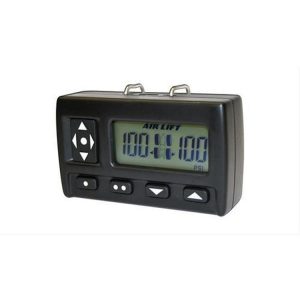
Air Lift Wireless Air Controller
- Wireless replacement air controller for Air Lift WirelessAIR (AIR72000) systems
- Inflate or deflate air springs and run diagnostics from the driver’s seat
- Hand-held digital controller about the size of a garage door opener
- Universal fit; not vehicle-specific
SKU: AIR73002 -
-
Suspension Load Leveling Kit
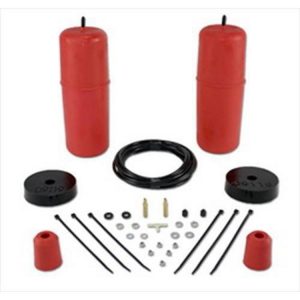
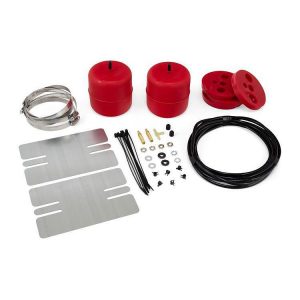
AirLift Air Lift 1000 Universal Air Spring Kit – 60912
- AirLift Air Lift 1000 Universal Air Spring Kit, part number 60912
- 1000 lbs of leveling capacity
- 4 in. diameter and 11.00 in. overall length
- No vehicle fitment listed; check dimensions against your mounting space
SKU: AIR60912 -
Suspension Load Leveling Kit
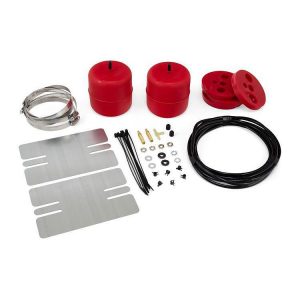
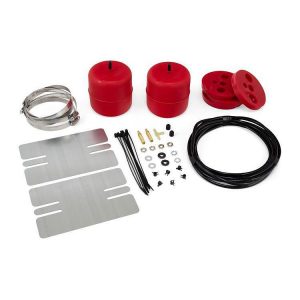
AirLift Air Lift 1000 Universal Air Spring Kit – 60911
- AirLift Air Lift 1000 Universal Air Spring Kit, part number 60911
- 1000 lbs of leveling capacity
- 4 in. diameter and 10.00 in. overall length
- No vehicle fitment listed; check dimensions against your mounting space
SKU: AIR60911 -
Suspension Load Leveling Kit
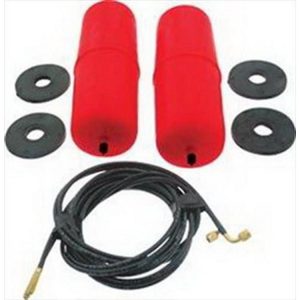
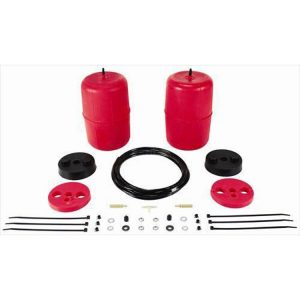
AirLift Air Lift 1000 Coil Air Spring Leveling Drag Bag Kit – 60826
- Rear replacement coil air spring kit for Air Lift 1000 bags, part number 60826
- Fits 2011–2017 Toyota Sequoia in Limited, Platinum and SR5 trims
- No drill installation with installation time of 1 hour
- Direct fit rear position
SKU: AIR60826 -
Suspension Load Leveling Kit
AirLift Ride Control Rear Ride Control Kit – 59562
- Rear air bag ride control kit, part number 59562
- Fits 2005–2015 Nissan Xterra in listed Off-Road, PRO-4X, S, SE and X trims
- Direct fit with rear position and air bag system type
- Installation time of 1 hour or less
SKU: AIR59562 -
Suspension Load Leveling Kit
AirLift Ride Control Rear Ride Control Kit – 59561
- Direct fit rear air bag ride control kit, part number 59561
- Fits 2005–2017 Toyota Tacoma per the manufacturer fitment list
- Up to 2000 lbs. of leveling capacity
- Includes an alignment tool; installation time 2 hours or less
SKU: AIR59561 -
Suspension Load Leveling Kit
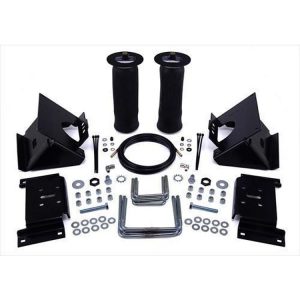
Air Lift Ride Control Kit – 59556
- AirLift Ride Control Kit, part number 59556, with two rear air springs
- Includes all mounting brackets, hardware and a fully illustrated installation guide
- Fitment lists 2011 through 2016 Ford F-250 Super Duty models
- Installation time of 2.5 hours or less
SKU: AIR59556 -

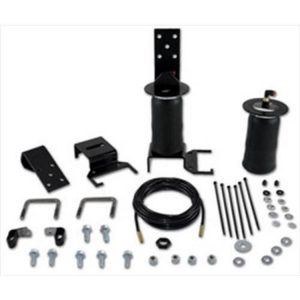
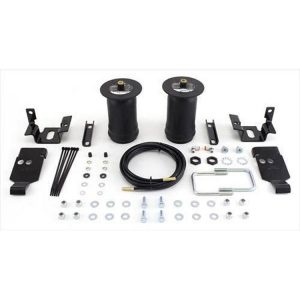
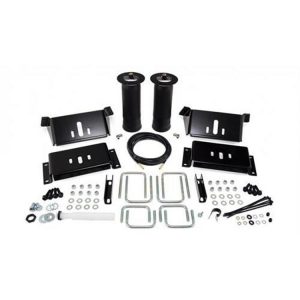
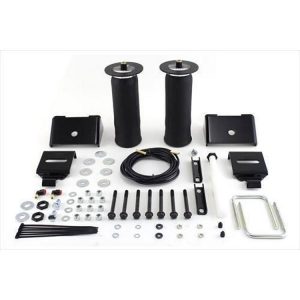
What load leveling kits do
When a trailer tongue or a bed full of cargo presses down on the rear axle, the back of the vehicle squats and the front rises. Headlights aim too high, steering feels light and the ride becomes less stable. A load leveling kit adds supplemental support so the vehicle sits closer to its normal ride height under load.
These kits support the factory springs rather than replacing them. They do not raise the vehicle's rated payload or towing capacity, which are set by the manufacturer.
Common kit types in this branch
- Air spring kits place an inflatable bladder inside a coil spring or between the frame and axle, with an air line and valve for adjusting pressure.
- Leaf spring leveling kits add an air bag to the rear leaf pack, designed for pickups and vans.
- Coil spring assist kits fit inside the existing coil to add support.
- Wireless or compressor-based systems let you adjust pressure from the cab instead of at the valve.
Key points to compare
Start with the vehicle application. Kits are engineered for specific frames, axles and suspension layouts, so confirm fitment for your exact year, make, model and drivetrain. Compare the pressure range, the stated load support, and whether an onboard compressor or manual valve is included.
Consider how often you tow. Occasional haulers can do well with a simple manual-fill kit, while frequent towers may prefer an adjustable system with a compressor and gauge for quick changes.
Installation and use
Most kits are bolt-on and need basic hand tools, a jack and jack stands, but they work on safety-critical suspension components. Follow the manufacturer's torque specifications, route air lines away from heat, sharp edges and moving parts, and check for leaks with soapy water.
Stay within the minimum and maximum pressures published for your kit. Inflating too high can damage the bag or affect ride and handling, and running too low can allow contact with other components. If you are not comfortable with the work, have a qualified shop install it.
Further checks and care
Questions to ask before you choose
Decide how much weight you carry and how often. Ask whether the vehicle already has aftermarket springs, a lift or an overload spring, since these change what a kit can do. Think about whether you want to adjust pressure from the driver's seat. Finally, check whether your trailer's tongue weight is within the hitch rating, because a kit cannot fix an overloaded vehicle or a trailer that is poorly balanced.
Measuring ride height and confirming fitment
Before installing, measure the distance from the center of each wheel hub to the fender lip with the vehicle empty and parked on level ground. Repeat when loaded to see how much it squats. This shows what adjustment you need and gives you a target after installation. Kit descriptions list the cab, bed length, axle and drive type they suit, and trucks with factory air suspension or a camper package often need a different part.
Inspection and mistakes to avoid
Check air springs periodically for rubbing, cuts, cracks or fading. Keep the bag from contacting sharp edges, and keep a minimum pressure in it to prevent folds from chafing. A common mistake is using the kit to carry more than the vehicle's rating, which strains brakes and tires. Another is forgetting to adjust pressure after unhitching, leading to a stiff ride. Never inflate past the printed maximum, and re-torque hardware after the first miles.
Popular Suspension Load Leveling Kit brands
Suspension Load Leveling Kit FAQ
Will a load leveling kit increase my towing capacity?
No. Towing and payload ratings come from the vehicle manufacturer and depend on the frame, axles, brakes and hitch. A kit improves ride height and stability under load but does not change those ratings.
What air pressure should I run?
Use the range published by the kit maker, adjusting within it to bring the vehicle back to level under load. Keep a minimum pressure in the bag even when unloaded, as the instructions specify.
Can I use an air helper kit on a lifted truck?
Sometimes, but lift height, shock length and axle position affect fit. Check the kit's application notes against your suspension, and confirm clearance for the air spring through the full range of travel.